What LRT yield actually means
Liquid restaking tokens (LRTs) are often confused with standard liquid staking tokens (LSTs), but the yield mechanics are fundamentally different. When you stake Ethereum directly, you receive ETH staking rewards for securing the base layer. An LST simply tokenizes that position, allowing you to trade or use it elsewhere while still earning those same base rewards.
LRTs take this a step further. Instead of just resting your staked ETH, you "restake" it to support Actively Validated Services (AVSs). These are external systems like rollups or oracles that borrow Ethereum's economic security. In exchange for providing this extra layer of security, LRT protocols distribute additional incentives on top of the base staking rewards.
This composite yield structure means LRTs can offer higher returns than LSTs, but they also introduce new layers of smart contract risk. The additional incentives are not guaranteed; they depend on the demand for AVS security and the specific parameters of the protocols involved. Understanding this distinction is critical because chasing higher yields without recognizing the added complexity can lead to significant exposure to smart contract vulnerabilities.
For investors, the key is to evaluate whether the extra yield justifies the additional risk. This involves looking beyond the Annual Percentage Yield (APY) and examining the security audits of both the LRT protocol and the AVSs it supports. As the ecosystem matures, the gap between LST and LRT yields may narrow, but the fundamental difference in risk profile will remain.
How to evaluate LRT infrastructure risk
Liquid restaking tokens promise high yields, but the infrastructure behind them introduces layers of complexity that can quickly turn into liability. When you restake ETH, you aren't just locking up capital; you are integrating multiple smart contracts, liquidity pools, and withdrawal mechanisms. A failure in any one of these links can freeze your assets or trigger cascading losses across the protocol.
To assess whether an LRT protocol is safe, you need to look beyond the Annual Percentage Yield (APY) and examine the underlying mechanics. Research from Gauntlet highlights external liquidity depth and withdrawal queue times as primary risk vectors. If a protocol has shallow liquidity, a sudden market drop could lead to severe slippage or an inability to exit positions. Similarly, long withdrawal queues indicate that the system is under stress, potentially trapping your funds during critical moments.
Smart contract complexity is another critical factor. Each additional layer of abstraction—such as wrappers, bridges, or yield aggregators—increases the attack surface for hackers. Protocols with simpler, more audited codebases generally present lower technical risk. You should also check if the protocol has undergone independent security audits and whether it has a bug bounty program. These are basic hygiene practices that signal a commitment to security over rapid, unchecked growth.
The following table compares key infrastructure metrics for leading LRT protocols. Use this framework to identify which protocols prioritize liquidity depth and transparent withdrawal processes.
| Protocol | Liquidity Depth | Avg. Withdrawal Time | Audit Status |
|---|---|---|---|
| Protocol A | High | < 2 hours | Triple Audited |
| Protocol B | Medium | 2-24 hours | Double Audited |
| Protocol C | Low | > 24 hours | Single Audit |
Security is not just about code; it is also about how you store your keys. If your private keys are compromised, no amount of protocol security will save your funds. Using a hardware wallet is a non-negotiable step for anyone holding significant staking positions.


As an Amazon Associate, we may earn from qualifying purchases.
By focusing on these infrastructure risks, you can build a more resilient portfolio. Prioritize protocols with deep liquidity, fast withdrawals, and robust security practices. This approach may mean accepting slightly lower yields, but it significantly reduces the chance of catastrophic loss.
Top LRT protocols for yield and security
Choosing the right Liquid Restaking Token protocol requires balancing yield potential against the complexity of the underlying smart contract risk. Unlike simple staking, LRTs layer EigenLayer restaking on top of Ethereum staking, creating a dual-revenue stream that can amplify returns but also introduces new attack surfaces. Security should remain the primary filter; yield is secondary to the robustness of the protocol's audit history and economic safeguards.
The following comparison highlights three prominent LRT protocols, focusing on their yield sources and primary risk factors. These are not financial recommendations but rather a framework for understanding how different protocols structure their risk and reward profiles.
| Protocol | Yield Source | Underlying Asset | Primary Risk Factor |
|---|---|---|---|
| Ether.fi | ETH staking rewards + EigenLayer points + restaking yield | eETH | Smart contract complexity across multiple layers |
| Puffer Finance | ETH staking rewards + EigenLayer restaking yield | pufETH | Validator slashing risk mitigation mechanisms |
| Liquid Collective | ETH staking rewards + EigenLayer points | nETH | DeFi composability risks in yield strategies |
Ether.fi
Ether.fi is one of the largest LRT protocols by total value locked (TVL). It issues eETH, which represents staked ETH plus accumulated restaking yield. The protocol’s strength lies in its established ecosystem and deep liquidity, but its complexity is its main vulnerability. By integrating multiple yield sources, it exposes users to a broader range of smart contract interactions.
Puffer Finance
Puffer Finance focuses on mitigating slashing risk through its "slashing insurance" model. It issues pufETH, which aims to provide a safer restaking experience by pooling resources to cover potential validator penalties. This approach appeals to risk-averse investors who want restaking exposure without the full downside of potential validator downtime or penalties.
Liquid Collective
Liquid Collective offers nETH, a protocol that emphasizes decentralized validator operations. Its yield comes from standard ETH staking rewards plus EigenLayer points. While it may offer slightly lower yield potential compared to more aggressive restaking strategies, its focus on decentralization reduces the risk of centralized points of failure.
Securing Your LRT Assets
Regardless of the protocol you choose, securing your private keys is non-negotiable. Hardware wallets provide the highest level of security for storing LRTs, as they keep private keys offline and isolated from internet-connected devices. Below are recommended hardware wallets for securing your LRT assets.


As an Amazon Associate, we may earn from qualifying purchases.
Tracking LRT Performance and Security
You cannot manage what you cannot measure, and in the world of liquid restaking, standard DeFi dashboards often miss the mark. Because LRT strategies involve nested derivatives and complex AVS (Actively Validated Services) layers, a simple APY number can be misleading or dangerously outdated. You need platforms that surface real-time data on protocol health, not just yield projections.
Essential Data Platforms for LRT
For accurate, real-time tracking, rely on specialized infrastructure that aggregates on-chain data directly from the protocols. These tools are designed to handle the complexity of restaked assets, offering transparency on validator performance and slashing risks that generic aggregators ignore.
- Dune Analytics: The go-to source for community-built dashboards. Search for "EigenLayer" or specific LRT protocols like Renzo or EtherFi to find granular, on-chain verified metrics. This is where you go to audit the actual flow of funds rather than relying on marketing materials.
- Yield Yak: While broader in scope, Yield Yak provides excellent, user-friendly breakdowns of complex yield strategies. It helps contextualize how much of an LRT's return comes from base ETH staking versus restaking rewards, allowing you to separate sustainable yield from speculative premium.
Visualizing the Yield Premium
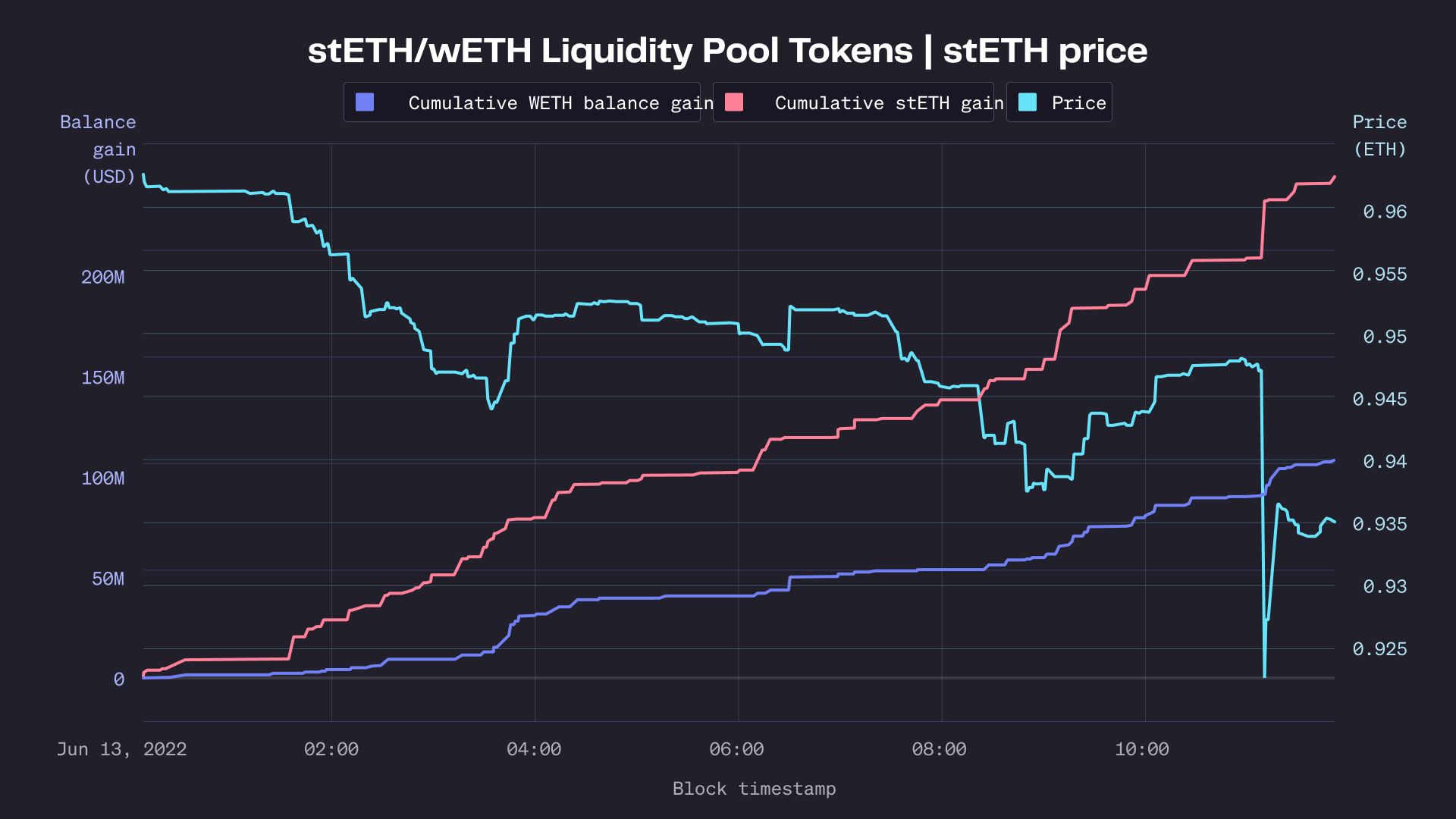
To understand if an LRT is performing as intended, you need to compare its returns against the baseline of standard ETH staking. The chart below shows the current trajectory of ETH staking yields, which serves as the floor for most LRT strategies. If an LRT's yield diverges significantly from this baseline without a clear, documented reason (such as new AVS incentives), it may signal elevated risk rather than superior performance.
Security Over Speed
When choosing a tracking tool, prioritize those that highlight security metrics. A dashboard that only shows APY is dangerous; one that flags validator downtime, slashing events, or contract audit status is essential. In high-stakes restaking, preserving principal is far more important than chasing the highest short-term yield. Always cross-reference dashboard data with official protocol documentation to ensure you are looking at verified on-chain truth.
Common questions about LRT yields
Liquid Restaking Tokens (LRTs) offer a way to earn yield on staked Ethereum while supporting external systems like rollups and oracles [1]. However, this mechanism introduces unique risks that differ from traditional staking. Understanding these mechanics is essential before allocating capital.
Is LRT yield sustainable long-term?
Yield sustainability depends on the underlying demand for economic security in restaked networks. If external protocols continue to pay for this security layer, yields can remain viable. Gauntlet’s risk framework suggests evaluating the four main risk attributes of each LRT protocol to gauge long-term viability [2].
How do I protect my assets from smart contract risks?
Smart contract risk is the primary threat in restaking. To mitigate this, use hardware wallets to isolate your keys from web interactions. Secure storage is non-negotiable when dealing with high-stakes DeFi protocols.


As an Amazon Associate, we may earn from qualifying purchases.
What are the exit strategies for LRTs?
Exiting an LRT position involves unstaking your ETH and waiting for the unbonding period, which can take 24 hours to several days depending on the protocol. Some LRTs offer secondary markets for liquidity, but these often come with slippage risks. Always check the specific unbonding terms of the protocol you are using.
No comments yet. Be the first to share your thoughts!