Defining the LRT yield landscape
Liquid Restaking Tokens (LRTs) represent the next evolution in Ethereum staking, but they introduce a layer of complexity that standard liquid staking doesn't require. To understand the yield, you first need to distinguish between the two mechanisms.
Liquid Staking Tokens (LSTs) like stETH or rETH allow you to stake ETH while retaining liquidity. The yield you receive is primarily the base network's staking rewards. Liquid Restaking Tokens take this a step further. They allow you to take those LSTs and "restake" them to secure additional networks or services, known as Actively Validated Services (AVSs). As explained by Three Sigma, an LRT yields the base network's staking rewards plus additional rewards from each integrated protocol [src-serp-2].
This stacking of rewards is what drives the headline APYs, but it also compounds the risks. While standard staking carries base layer slashing risk, LRTs expose your assets to the unique slashing conditions of every external service they validate [src-serp-1]. The yield is not just a bonus; it's a compensation for taking on this layered, systemic risk.
Infrastructure risks in restaking
Liquid restaking tokens (LRTs) offer yield by extending Ethereum’s security to other protocols, but this mechanism introduces a complex web of technical and economic vulnerabilities. Unlike standard staking, where you secure only the base layer, restaking forces your assets to simultaneously validate multiple external services. This creates a compounded risk profile where a failure in one service can trigger penalties across your entire portfolio.
Slashing and smart contract exposure
The most immediate threat is slashing. When you restake, your ETH secures various Actively Validated Services (AVSs). If any one of these services behaves maliciously or suffers a bug, your staked assets are at risk of being slashed. This risk is not isolated; it cascades. A vulnerability in a smart contract governing an AVS can lead to the loss of principal, not just a reduction in yield. Gauntlet’s risk framework highlights that this multi-layered exposure significantly increases the probability of catastrophic loss compared to single-layer staking.
Liquidity fragmentation and yield uncertainty
Beyond technical failures, the economic structure of LRTs faces inherent instability. Yield is not guaranteed; it is derived from fees paid by AVSs and may include volatile AVS-specific tokens. As the LRT market matures, liquidity can fragment across competing protocols, making it difficult to exit positions quickly without significant slippage. This fragmentation means that even if the underlying Ethereum network is stable, the LRT’s value can fluctuate wildly based on the health and demand for the specific AVSs it supports.
| Feature | Standard Staking | Liquid Restaking |
|---|---|---|
| Security Scope | Base Layer Only | Base Layer + AVSs |
| Slashing Risk | Low (Base Layer) | High (Multi-Layer) |
| Yield Source | Base Rewards | Base + AVS Fees |
Comparing LRT protocol strategies
Liquid Restaking Tokens (LRTs) have evolved from simple yield wrappers into complex financial instruments. While the promise of compounded yield is attractive, the underlying mechanics vary significantly between protocols. Understanding these differences is essential for managing the unique risk profile of restaking.
At their core, LRTs represent a restaking position, allowing users to extend the security of base layer assets like ETH to other networks and services. However, this introduces compounded risks. Unlike standard liquid staking, which faces only base layer slashing, LRTs are exposed to the slashing conditions of every individual service they validate. This complexity is why Gauntlet’s risk framework emphasizes evaluating four main risk attributes across the market.
To help you evaluate yield sources and risk profiles, we compare key metrics across major LRT protocols. This table highlights differences in Total Value Locked (TVL), yield composition, and primary risk factors.
| Protocol | Est. TVL | Yield Source | Primary Risk |
|---|---|---|---|
| Ether.fi | $1.2B | ETH staking + EigenLayer points | Smart contract complexity |
| Renzo | $450M | Multi-protocol restaking | Cross-chain bridge risk |
| Puffer | $380M | ETH staking + insurance pool | Slashing insurance solvency |
| Karak | $120M | Restaking infrastructure fees | New protocol exposure |
These numbers are dynamic. TVL fluctuates with market sentiment and protocol incentives. Yield composition also shifts as new restaking opportunities emerge. For instance, protocols like Renzo aggregate yield from multiple sources, which can diversify income but also complicate risk assessment. Ether.fi, as a pioneer, faces scrutiny over its smart contract architecture, while newer entrants like Karak carry higher uncertainty due to their limited track record.
When choosing a strategy, consider not just the yield but the transparency of the risk framework. Protocols that clearly disclose their slashing protection mechanisms and insurance pools tend to offer more sustainable long-term returns. Always verify current TVL and yield data through official protocol dashboards or reputable trackers like CoinGecko, as static figures can quickly become outdated.
Tracking LRT Yield in Real Time
You can’t manage what you don’t measure. Liquid restaking introduces compounded risks because assets secure multiple external services simultaneously, exposing holders to the unique slashing conditions of every individual service they validate [[src-1]]. To navigate this, you need tools that show both price action and yield performance.
Start with a live chart to see how token price correlates with yield. This helps you spot divergence early.
For quick yield checks, use a price widget to monitor key LRT tokens. This gives you a snapshot without cluttering your screen.
Adjusting strategy for sustainable returns
Liquid restaking yields are not static; they shift with network congestion, validator performance, and the demand for decentralized compute. To protect your principal while capturing yield, you need a framework that adapts to these changes rather than one that chases the highest APY at any cost. The goal is to align your exposure with your actual risk tolerance, recognizing that higher yields often come with hidden complexity or smart contract risk.
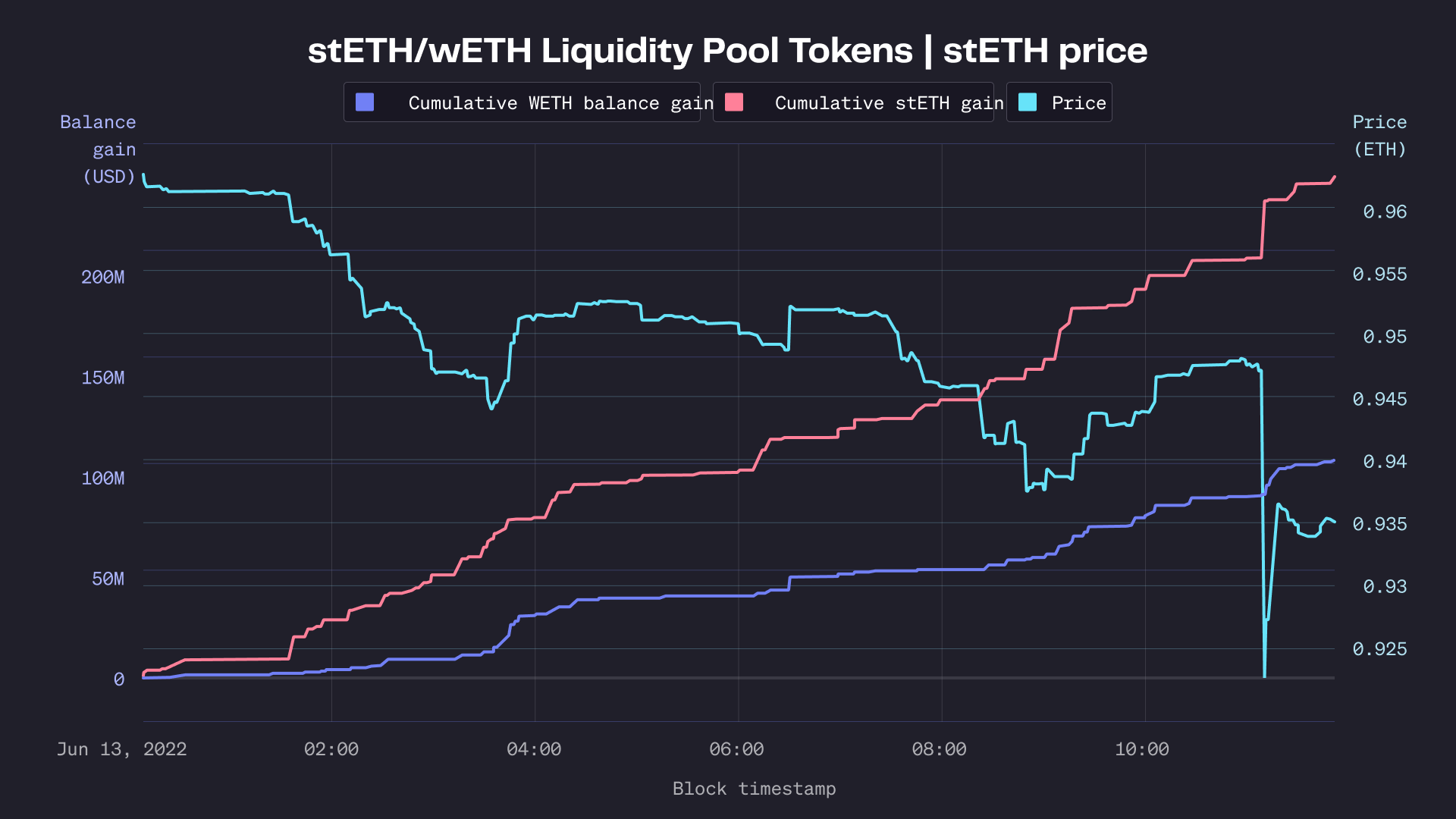
Restaking compounds risk. Your assets secure multiple services simultaneously, meaning you are exposed to the unique slashing conditions of every protocol you support. Regularly review the slashing history and insurance mechanisms of the underlying validators. If a validator has a history of downtime or minor infractions, consider reallocating to a more robust operator, even if their base yield is slightly lower.
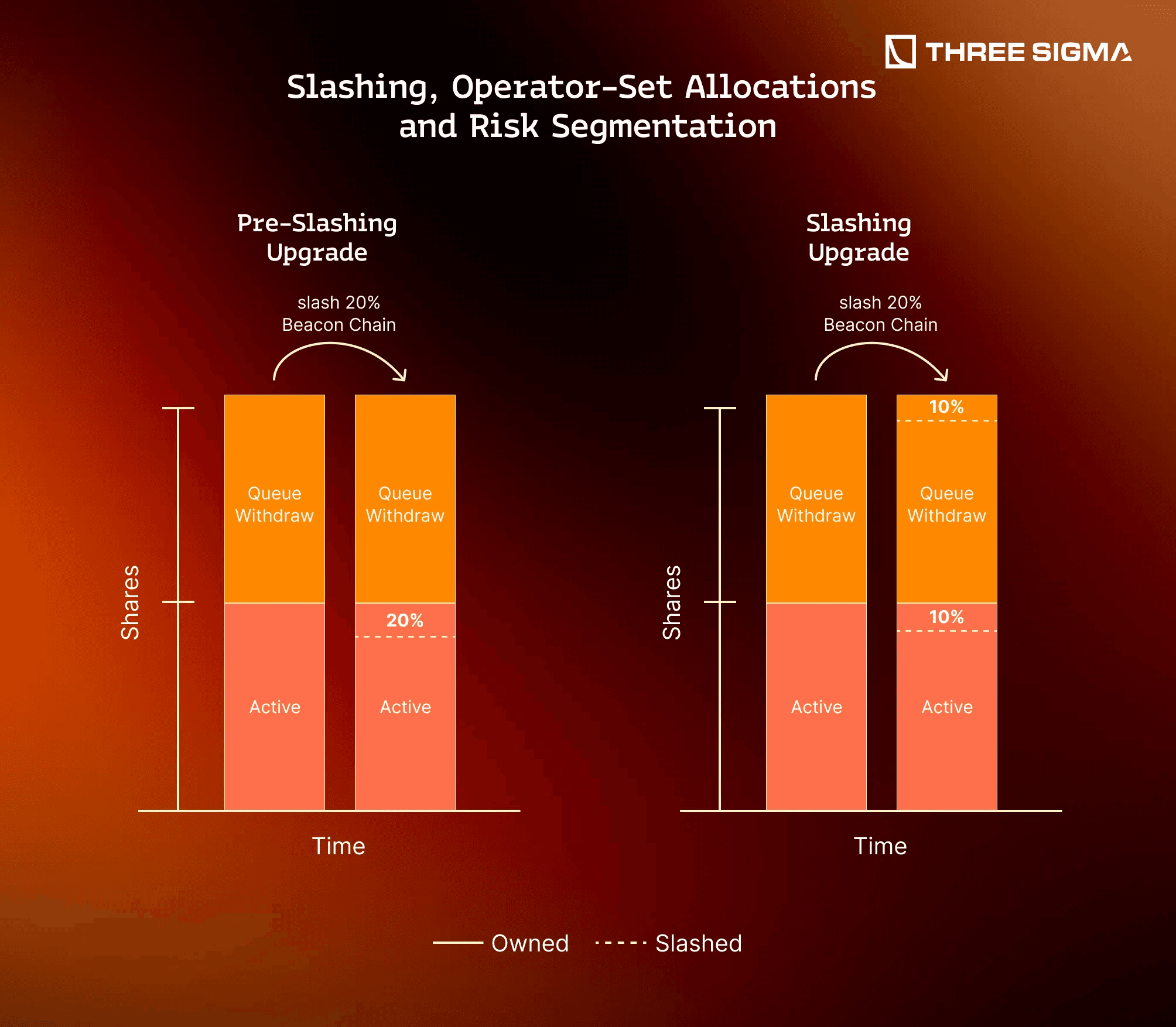
LRTs trade at a discount or premium to their underlying staked ETH. A widening discount often signals market fear or liquidity stress, while a premium may indicate over-leveraging. Use tools like Gauntlet’s risk framework to understand these dynamics. If the discount deepens significantly, it may be a signal to reduce exposure or hedge, as the underlying asset value could be at risk.

Don’t put all your restaked assets into a single protocol. Different LRTs have different smart contract architectures, governance models, and yield sources. Spreading your capital across reputable providers like Ether.fi, Renzo, or Puffer reduces the impact of a single-point failure. This diversification is crucial for long-term sustainability, as it mitigates the risk of protocol-specific bugs or governance attacks.
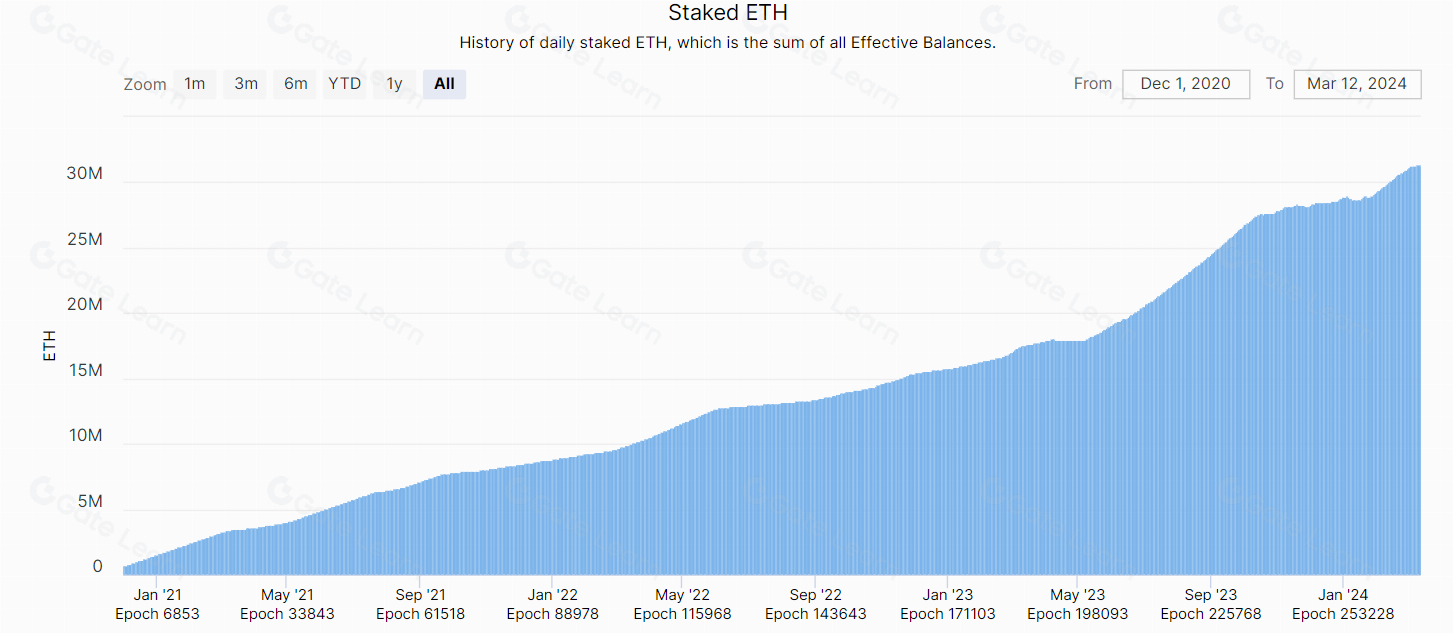
Yield strategies should evolve with market conditions. In bull markets, when demand for restaking is high, yields may be inflated and unsustainable. Consider taking profits or moving to more conservative positions. In bear markets, when yields drop, focus on capital preservation and protocol health. Set clear rebalancing triggers, such as a 20% drop in yield or a significant change in the LRT’s discount rate, to automate your decision-making.
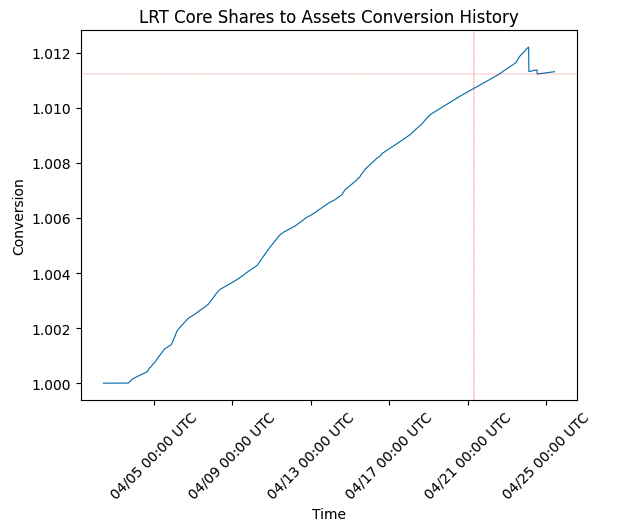
Static data is outdated. Use provider-backed widgets to monitor real-time performance. For example, track the price action of ETH or relevant LRTs to gauge market sentiment. Combining this with on-chain metrics like total value restaked and validator uptime gives you a complete picture. This real-time visibility allows you to react quickly to market shifts, ensuring your strategy remains aligned with current conditions.
By following these steps, you can build a resilient LRT strategy that withstands market volatility. Remember, the highest yield is not always the best yield. Focus on sustainability, risk management, and diversification to ensure your restaking positions contribute positively to your portfolio over the long term.
Common questions about LRT yield
Liquid restaking tokens (LRTs) are often confused with standard liquid staking, but the mechanics differ significantly. Understanding these distinctions is essential for evaluating yield sources and associated risks.
The primary advantage of LRTs is yield aggregation. By stacking rewards from multiple sources, investors can potentially achieve higher annual percentage yields (APY) than with single-layer staking. However, this comes at the cost of increased complexity and exposure to multiple smart contract and slashing risks.
Helpful gear
Use these product recommendations as a starting point, then choose the size, material, and price point that fit how you actually use the gear.


As an Amazon Associate, we may earn from qualifying purchases.
No comments yet. Be the first to share your thoughts!