Budget fit: yield, infrastructure, and choices that change the plan
The primary keyword for this guide is LRT yield. Understanding LRT yield requires looking at the infrastructure behind the return. Yield-controlled intersection rules in driving are about right-of-way, not necessarily a full stop. Similarly, in crypto, LRT yield isn't guaranteed cash flow; it's a share of network rewards and fees, adjusted for risk.
When evaluating LRT yield, you must weigh three factors: price, age, and condition. Price reflects current market sentiment. Age shows protocol maturity and audit history. Condition refers to the health of the underlying validator nodes and the stability of the liquid staking token (LST) peg.
A high LRT yield often signals higher risk. If the yield seems too good to be true, it likely is. The infrastructure supporting these yields can break under stress. Always check the protocol's documentation and community sentiment before committing funds.
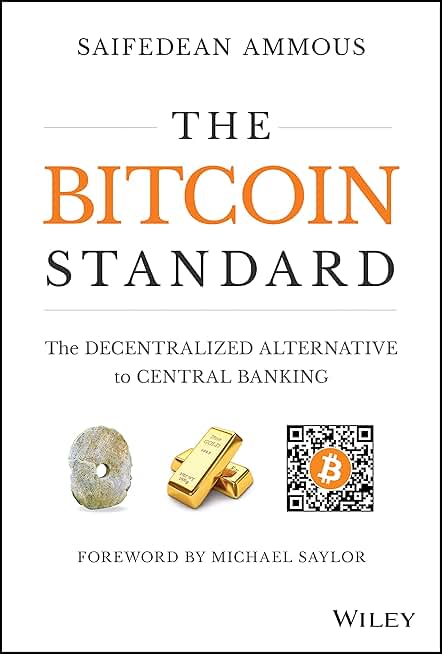
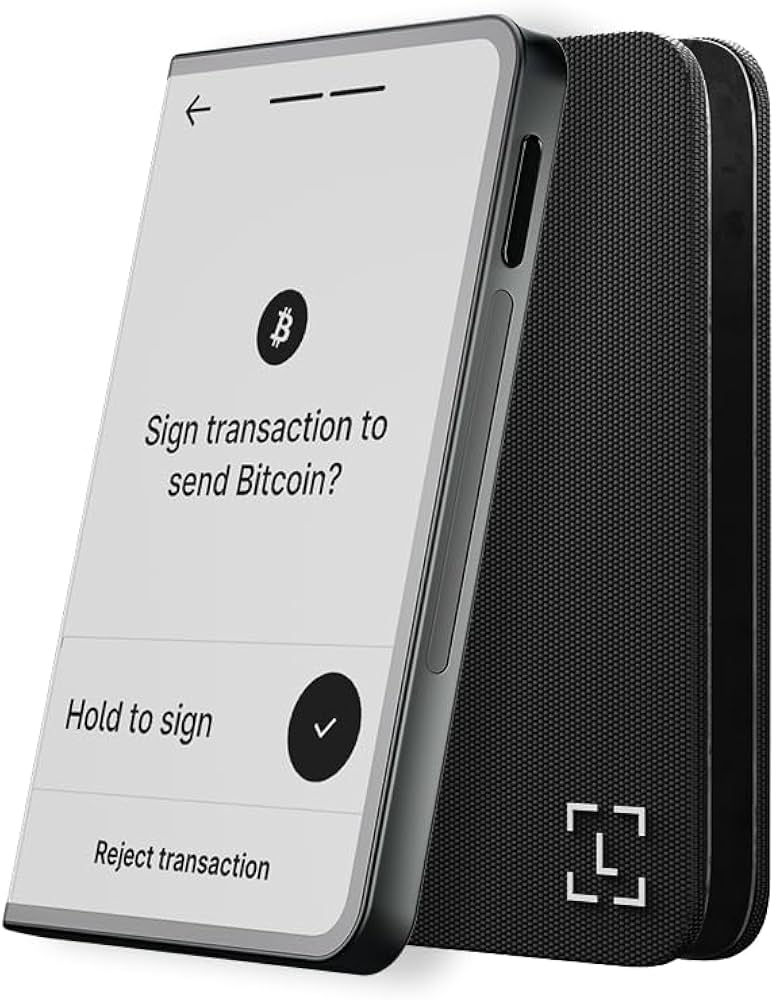
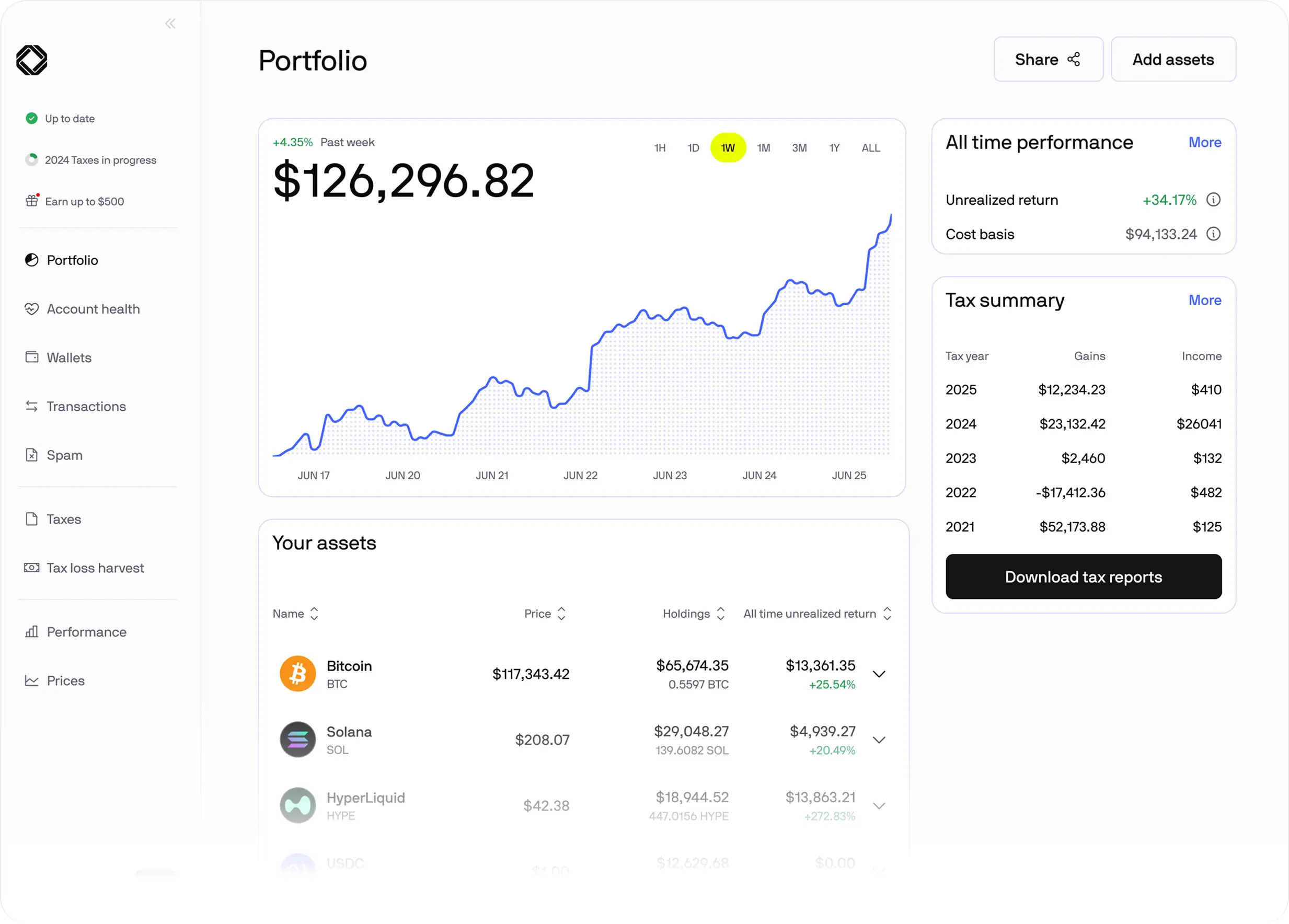
For concrete recommendations, see our full product roundup below. We've evaluated top LRT protocols based on these criteria. Use the AmazonProductGrid to explore related educational resources and tools that can help you manage your LRT yield portfolio.


As an Amazon Associate, we may earn from qualifying purchases.
Shortlist real options
Choosing the right liquid restaking token (LRT) strategy requires looking past the headline yield numbers. The market has matured from simple liquid staking derivatives to complex protocols that layer restaking rewards, MEV capture, and insurance pools. Not all LRTs are created equal, and the infrastructure risks vary significantly depending on the underlying validator set and smart contract architecture.
To navigate this, we have shortlisted the strongest options currently available. These selections prioritize protocol transparency, audit history, and sustainable yield sources over temporary incentives. The comparison below breaks down the core features, risk profiles, and yield mechanisms of each option.
| Protocol | Primary Yield Source | Risk Level | Liquidity Type | Audit Status |
|---|---|---|---|---|
| EigenLayer (Native EIGEN) | Restaking Rewards | Medium | Direct Staking | Audited |
| Ether.fi (eETH) | Restaking + MEV | Medium-High | Liquid Derivative | Audited |
| Renzo (ezETH) | Restaking + Points | Medium | Liquid Derivative | Audited |
| Puffer (pufETH) | Restaking + Insurance | Low-Medium | Liquid Derivative | Audited |
EigenLayer (Native EIGEN)
EigenLayer is the foundational layer for most LRT strategies. It allows Ethereum stakers to "restake" their ETH to secure other networks, earning additional rewards. The native EIGEN token captures value from these ecological services. While the yield is robust, it carries smart contract risk if the underlying restaked protocols fail.
Ether.fi (eETH)
Ether.fi pioneered liquid restaking tokens (LRTs) by combining liquid staking with restaking. Its eETH token accrues yield from both Ethereum consensus rewards and restaking points. The protocol uses a decentralized validator network, which reduces centralization risk but adds complexity to the yield distribution mechanism.
Renzo (ezETH)
Renzo focuses on maximizing yield through active management of restaking points and airdrop eligibility. Its ezETH token is designed for composability, allowing users to easily deploy their positions in DeFi protocols. The yield is variable, heavily influenced by the performance of the managed validator sets and point farming opportunities.
Puffer (pufETH)
Puffer distinguishes itself with a built-in insurance pool. It uses smart validators to ensure that if a restaked protocol fails, the insurance pool covers the loss. This adds a layer of safety that other LRTs lack, potentially lowering the effective risk profile. The yield is slightly lower due to the insurance premium, but it offers greater peace of mind.
Key Takeaways for Selection
- Prioritize Audits: Always verify that the protocol has undergone multiple independent audits. Smart contract risk is the primary threat to your principal.
- Understand Yield Sources: Be clear on whether yield comes from base staking, restaking points, or speculative airdrops. Sustainable yields are preferred.
- Check Liquidity: Ensure the LRT has sufficient liquidity on decentralized exchanges to enter and exit positions without significant slippage.
- Monitor Validator Performance: Regularly check the performance of the validators securing your restaked assets. Poor performance can erode yields.
Inspect the expensive parts
LRT Yield works best as a clear sequence: define the constraint, compare the realistic options, test the tradeoff, and choose the path with the fewest hidden costs. That order keeps the advice usable instead of decorative. After each step, pause long enough to check whether the recommendation still fits the reader's actual situation. If it depends on perfect timing, unusual access, or a best-case budget, include a simpler fallback.



Ownership costs
LRT yield strategies are often marketed as passive income engines, but the actual cost of participation extends far beyond the initial capital outlay. When evaluating whether a specific LRT protocol or strategy is viable for 2026, you must account for the invisible friction of gas fees, protocol maintenance, and potential smart contract risks. A strategy that yields 15% APY but consumes 40% of that yield in transaction costs is effectively a loss-making position.
The most common surprise for new participants is the cumulative cost of rebalancing. Many LRT strategies require periodic rebalancing to maintain optimal yield or mitigate risk. Each rebalance triggers on-chain transactions, meaning your effective yield is the gross yield minus the gas fees paid to execute these moves. In high-network congestion periods, these fees can spike dramatically, eroding returns before they are even realized.
Another hidden cost is the opportunity cost of capital lock-up. Some LRT positions are not instantly liquid; withdrawing may require waiting periods or incurring penalty fees. If you need access to your funds for an emergency or a better market opportunity, this illiquidity premium can be significant. Always read the protocol documentation to understand the withdrawal mechanics and associated costs before depositing.

As an Amazon Associate, we may earn from qualifying purchases.
No comments yet. Be the first to share your thoughts!