What liquid restaking actually pays
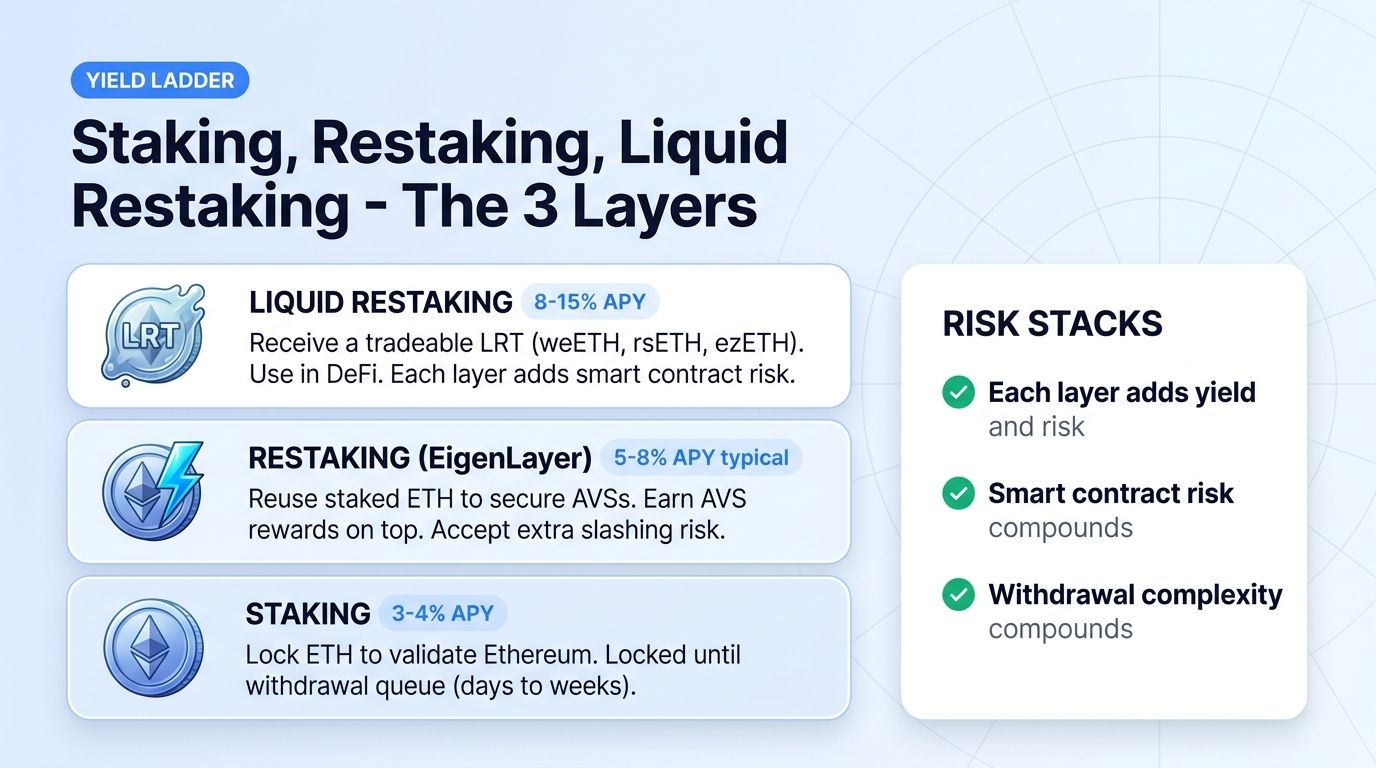
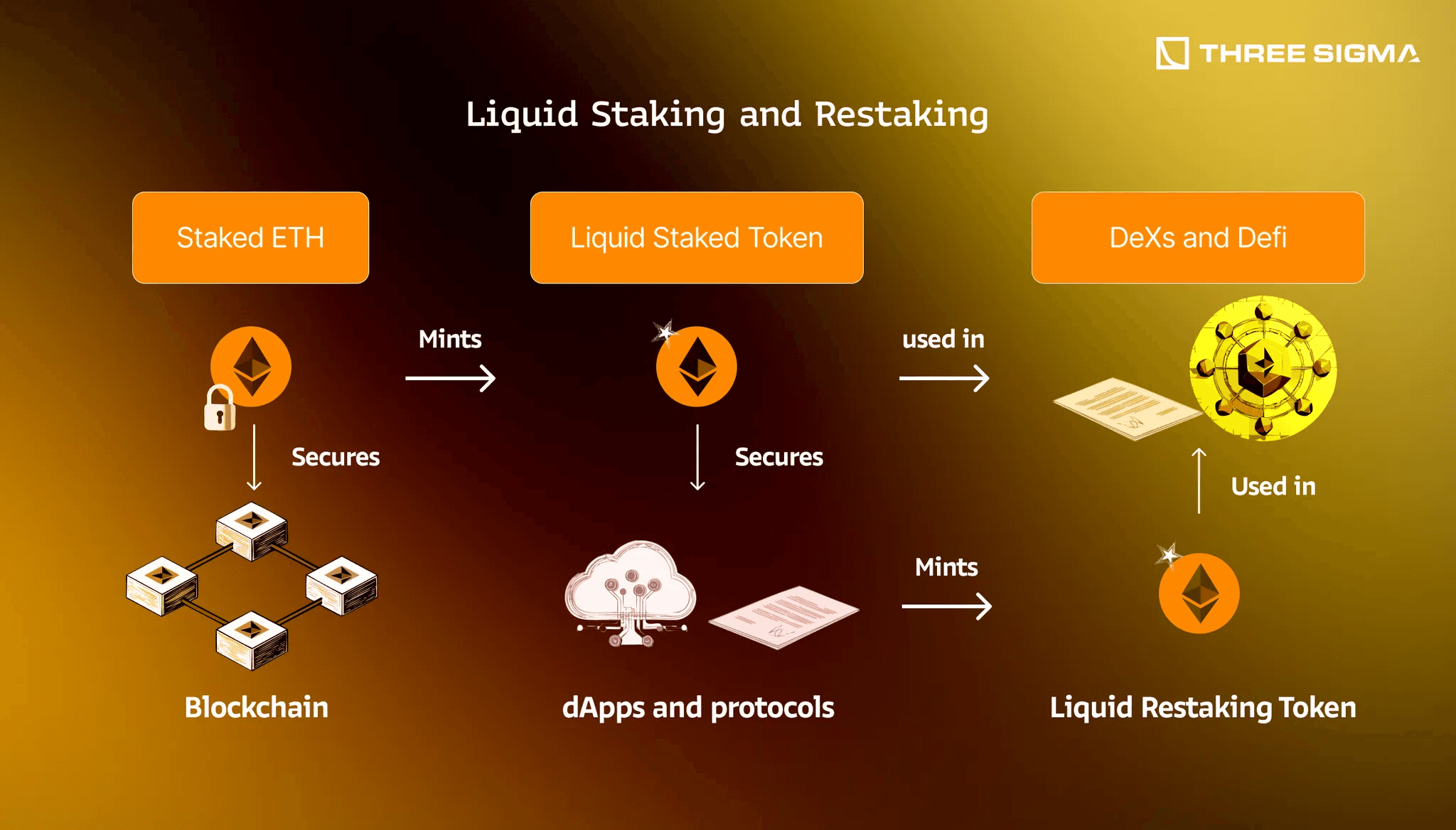
Liquid restaking tokens (LRTs) are the financial engine behind the current restaking narrative, but they function differently than the liquid staking tokens (LSTs) that preceded them. To understand the yield, you first need to distinguish between the two. An LST, such as stETH or rETH, represents staked ether on Ethereum. It allows you to retain liquidity while earning the base staking reward from the Ethereum protocol. An LRT takes that LST and restakes it, effectively repurposing your already-staked ether to secure additional decentralized applications, often called Actively Validated Services (AVSs) [[src-serp-6]].
This process creates a dual-yield mechanism that defines the LRT yield strategy. Your returns are no longer limited to the base Ethereum staking rate. Instead, you stack rewards from the base layer plus additional incentives from each AVS that your restaked capital supports [[src-serp-1]]. In theory, this compounding effect allows restakers to capture value from multiple protocols simultaneously, turning a single asset into a multi-layered security provider.
The economics of this model rely on the assumption that the demand for decentralized security will grow. As more protocols launch on Ethereum and require economic security layers, they pay incentives to restakers. These incentives are distributed to LRT holders, augmenting the base yield. However, this structure also introduces complexity. The yield is not static; it fluctuates based on the performance and demand of the underlying AVSs, making the LRT yield strategy both more potent and more nuanced than traditional staking.
Comparing top LRT protocols
Liquid restaking tokens (LRTs) have moved from experimental niche to a core component of many DeFi portfolios. The strategy works by layering yield: you stake ETH for base rewards, then restake those tokens to secure additional networks, earning a second layer of yield on top. It is a powerful lever, but it introduces complexity and new vectors for risk.
The market is currently dominated by three major protocols: Ether.fi, Renzo, and Puffer. Each offers a slightly different approach to managing the underlying assets and distributing rewards. Ether.fi is the largest by total value locked (TVL), Renzo focuses on broad ecosystem diversification, and Puffer emphasizes insurance against slashing events. Choosing between them requires looking beyond headline APYs to understand where the yield actually comes from and what risks you are assuming.
The table below breaks down the key metrics for these leading protocols. Note that APYs fluctuate daily based on network demand and restaking activity.
| Protocol | TVL (Est.) | Base ETH APY | Risk Profile |
|---|---|---|---|
| Ether.fi | ~$3.2B | 3.1-3.3% | Medium |
| Renzo | ~$1.1B | 3.0-3.2% | Medium-High |
| Puffer | ~$900M | 3.2-3.4% | Low-Medium |
Ether.fi remains the market leader, largely due to its early mover advantage and deep integration with the EigenLayer ecosystem. Its yield is primarily driven by the base staking rate plus a share of EigenLayer points and restaking fees. The protocol uses a "fiETH" token that represents the staked position, allowing users to remain liquid while earning rewards.
Renzo takes a more fragmented approach, distributing restaked assets across multiple Actively Validated Services (AVSs). This diversification can sometimes lead to higher yields if specific AVSs are in high demand, but it also spreads risk across a wider set of smart contracts and operators. Renzo’s "ezETH" is designed to be a more flexible asset, often used as collateral in other DeFi protocols.
Puffer differentiates itself by offering a "Puffer Vault" structure that includes insurance against slashing. Slashing occurs when an operator validator is penalized for misbehavior, potentially resulting in the loss of staked ETH. Puffer’s model aims to protect users from this specific downside risk, which can make its effective yield more stable during periods of network stress. However, this insurance comes with its own costs and complexities.
When evaluating these options, consider your tolerance for smart contract risk and slashing exposure. Higher APYs often correlate with higher complexity or exposure to newer, less-tested AVSs. Always verify current TVL and APY figures on the official protocol dashboards before committing capital.
Infrastructure risks in restaking
The LRT Yield Strategy offers compelling returns, but it introduces a layer of complexity that standard staking avoids. By repurposing staked ether to secure external systems like rollups and oracles, you are effectively leveraging your assets across multiple protocols. This creates a "yield layer" where your capital supports the broader Ethereum ecosystem, but it also means your funds are exposed to the combined security posture of every protocol you interact with.
The most immediate threat is slashing. In a standard staking scenario, a validator misbehaves, and the penalty is contained to that single node. In restaking, if you delegate your LRT to an Actively Validated Service (AVS) that has a vulnerable or malicious operator, your underlying staked ETH can be slashed. This risk is not theoretical; it is a direct consequence of the composability that drives LRT yields. You are trusting the smart contract infrastructure of the restaking protocol and the operational integrity of the AVS operators.
Beyond slashing, smart contract vulnerabilities remain a persistent threat. Restaking protocols rely on complex bridges and vaults to manage the flow of assets. A bug in these contracts can lead to exploits that drain funds. The interconnected nature of the $100B+ Ethereum staking ecosystem means that a failure in one major LRT protocol can have cascading effects on others, creating liquidity fragmentation and potential contagion.
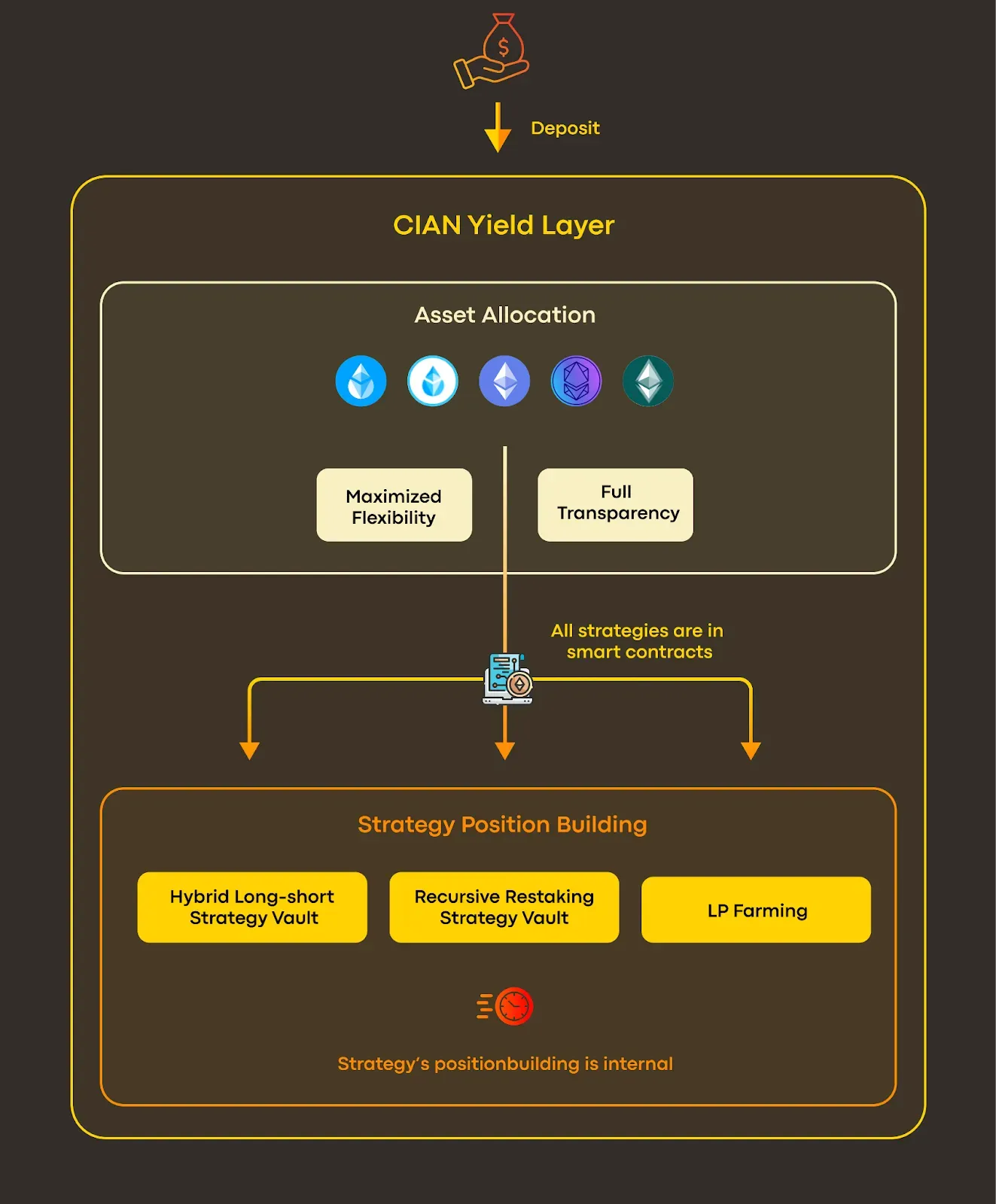
Liquidity fragmentation is another subtle but significant risk. When you restake, your assets are often locked or subject to withdrawal queues that vary by protocol. This can make it difficult to exit positions quickly during market stress. The yield you earn is often a reflection of this illiquidity premium. As the market matures, we may see more standardized withdrawal mechanisms, but for now, the ability to exit your position is not guaranteed.
To navigate these risks, it is essential to monitor the security audits and operational history of the AVSs you choose. Diversifying across multiple restaking protocols can mitigate the impact of a single point of failure, but it does not eliminate the systemic risks inherent in the LRT Yield Strategy. Always prioritize protocols with robust insurance funds and transparent governance mechanisms.
Tools for tracking LRT performance
Monitoring your LRT yield strategy requires more than just watching the price of the underlying asset. You need visibility into the health of the restaking protocol, the accrual of additional yields, and the real-time value of your position. Relying on a single dashboard is risky; the ecosystem is fragmented, and each protocol has its own reporting quirks.
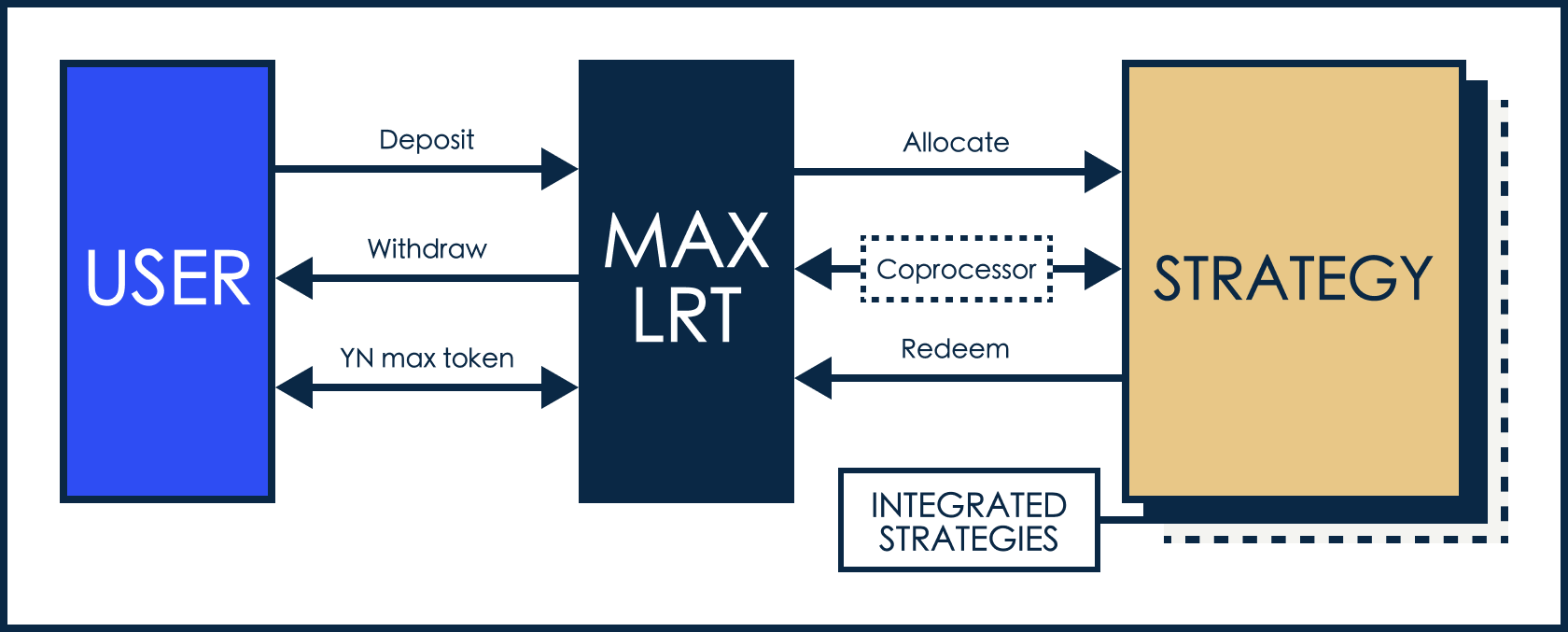
Start with the protocol’s native dashboard. This is your source of truth for yield accrual and active positions. For example, YieldNest provides detailed breakdowns of how their LRT strategies interact with the underlying staked assets. Understanding the flow of yield from the base layer up to your LRT is essential for accurate performance tracking.
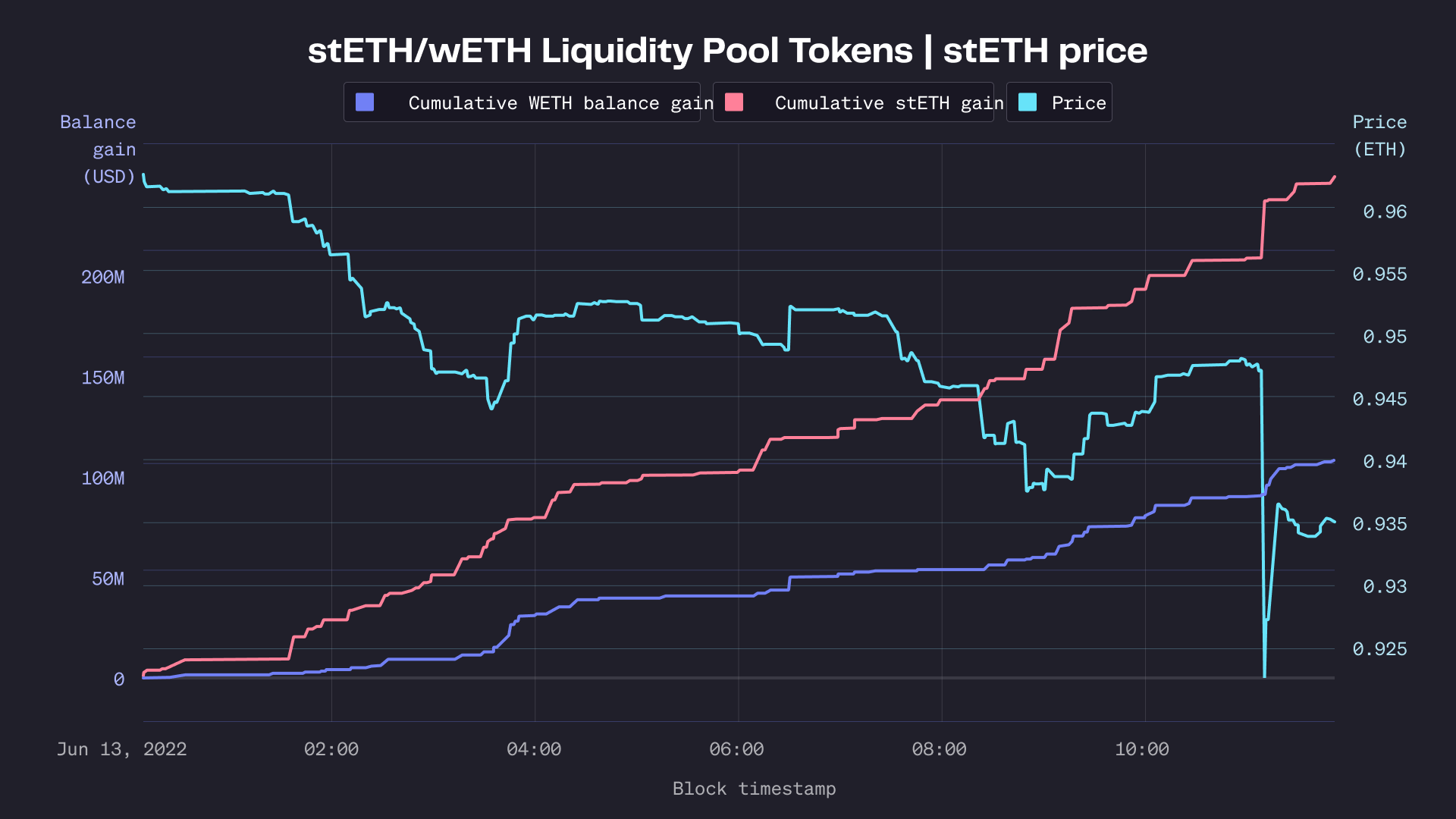
To gauge the broader market context, you should also track the performance of the underlying asset. Restaking yields are often additive to the base staking yield, so understanding the baseline performance of ETH or SOL is critical. A drop in the underlying asset's price can sometimes mask significant yield gains in your LRT balance.
Finally, use on-chain explorers and independent analytics platforms to verify the data. While dashboards are convenient, they can sometimes lag or display cached data. Checking the actual token balances and contract interactions on-chain ensures you are seeing the most current state of your LRT positions, protecting you from potential discrepancies in third-party reporting.
Building a sustainable LRT portfolio
A single LRT is a concentrated bet on one restaking protocol’s AVS selection and security model. Diversification across multiple LRTs and AVSs is the only reliable way to mitigate single-point failure risks while maximizing yield. Think of your portfolio as a basket of different security layers; if one AVS fails or a specific LRT protocol faces smart contract risk, the others continue to generate yield.
To build this portfolio effectively, follow this framework:
Before allocating capital, verify the audit status of the LRT protocol and the underlying AVSs. Check for any historical slashing events, which indicate that the node operators failed to perform their duties. A protocol with a clean slashing record is significantly safer than one with a history of penalties, as slashing directly reduces your principal.
Avoid putting all your ETH into LRTs that secure the same set of AVSs. Instead, spread your exposure across protocols that support different decentralized applications. This ensures that a failure in one specific AVS ecosystem does not compromise your entire yield strategy. Look for LRTs that offer exposure to distinct security layers, such as data availability networks or oracle services.
Liquidity is critical for a sustainable strategy. Check the depth of the liquidity pools for each LRT token on decentralized exchanges. Low liquidity can lead to significant slippage when you need to exit a position, especially during market volatility. Prioritize LRTs with deep, stable liquidity pools to ensure you can rebalance or exit your positions without eroding your yield.
Yield in LRTs comes from base staking rewards plus AVS incentives. Ensure that the yield is not overly dependent on temporary token emissions, which can disappear quickly. Focus on protocols that offer a balanced mix of sustainable base rewards and realistic AVS incentives. This approach helps maintain yield stability even if market conditions or incentive programs change.
By following these steps, you create a resilient portfolio that can withstand the inherent risks of restaking while capturing the full potential of LRT yield strategies.
Common questions about LRT yields
What is an LRT in crypto?
Liquid Restaking Tokens (LRTs) represent a layer of security built on top of existing staked assets. Unlike standard liquid staking where you simply receive a receipt for your staked ETH, LRTs allow you to re-pledge that staked value to secure additional decentralized applications (AVSs). In exchange for providing this secondary layer of security, you receive LRTs that capture yield from both the base network and the integrated protocols [1].
Are LRT yields higher than standard staking?
LRT yields are generally higher because they stack rewards. You earn the base Ethereum staking yield plus additional incentives from the AVSs securing your restaked assets. However, this "stacking" effect introduces complexity. The total yield depends on the demand for security across multiple protocols, meaning returns can fluctuate more than traditional staking rewards.
What is the slashing risk with LRTs?
Slashing remains the primary risk in restaking. If the underlying validator behaves maliciously or goes offline, the penalty applies to the staked ETH. Because LRTs often use restaking protocols to mitigate this, the specific risk profile depends on the LRT provider's insurance or insurance pool mechanisms. Understanding how a protocol handles slashing events is critical before allocating capital.
Helpful gear
Use these product recommendations as a starting point, then choose the size, material, and price point that fit how you actually use the gear.



As an Amazon Associate, we may earn from qualifying purchases.
No comments yet. Be the first to share your thoughts!