Lrt yield limits to account for
LRT Yield works best as a clear sequence: define the constraint, compare the realistic options, test the tradeoff, and choose the path with the fewest hidden costs. That order keeps the advice usable instead of decorative. After each step, pause long enough to check whether the recommendation still fits the reader's actual situation. If it depends on perfect timing, unusual access, or a best-case budget, include a simpler fallback.
The simplest way to use this section is to write down the real constraint first, compare each option against it, and choose the path that still works outside ideal conditions.
Lrt yield choices that change the plan
Liquid restaking tokens (LRTs) combine the base yield of liquid staking with additional rewards from Actively Validated Services (AVSs). While this stacking mechanism can significantly boost returns, it introduces a complex layer of risk. The primary tradeoff is between yield magnitude and security exposure: higher yields typically correlate with greater smart contract complexity and operational dependency.
To evaluate these tradeoffs, you must compare the structural components of each strategy. The table below breaks down the key variables that determine your actual risk-adjusted return.
| Factor | Liquid Staking (LST) | Liquid Restaking (LRT) | Yield Impact |
|---|---|---|---|
| Base Yield | Staking rewards only | Staking + AVS rewards | Higher for LRT |
| Smart Contract Risk | Lower (single layer) | Higher (multi-layer) | Increased risk for LRT |
| Slashing Exposure | Direct validator slash | Validator + AVS slash | Compounding risk for LRT |
| Liquidity | High | Variable (protocol dependent) | LST usually more liquid |
| Complexity | Simple | High (multiple protocols) | Harder to audit for LRT |
The most critical factor is slashing exposure. With an LST, you face the standard risk of validator misbehavior. With an LRT, you are also exposing your stake to the operational risks of the AVSs you are restaking for. If an AVS fails to perform its duties, your underlying stake can be slashed, potentially wiping out the extra yield earned.
Liquidity is another major tradeoff. While LSTs like stETH or rETH are deeply integrated into DeFi, LRTs vary widely. Some protocols lock your assets or impose withdrawal delays during high stress. Always check the withdrawal queue length and any associated fees before committing capital.
For a visual understanding of the underlying asset's volatility, which directly impacts your restaking security margin, see the current ETH technical setup.
When choosing an LRT strategy, prioritize protocols with transparent slashing protection mechanisms and audited smart contracts. The extra yield is only valuable if you retain your principal. If you are new to restaking, start with small allocations to understand the specific risks of the AVSs you choose.
How to choose an LRT yield strategy
LRT (Liquid Restaking Token) yield strategies are the underlying mechanisms powering MAX LRTs. These strategies act as the building blocks that execute specific on-chain actions to generate returns. Because each strategy carries different risk profiles and yield sources, selecting the right one requires a structured evaluation of your tolerance for volatility and smart contract exposure.

Start by determining where the yield originates. Is it derived from Ethereum consensus rewards, restaking points, or additional DeFi layers? Strategies relying solely on consensus rewards are generally more stable, while those incorporating complex DeFi integrations offer higher potential returns but introduce additional smart contract risks. Check the protocol documentation to understand the primary revenue stream.
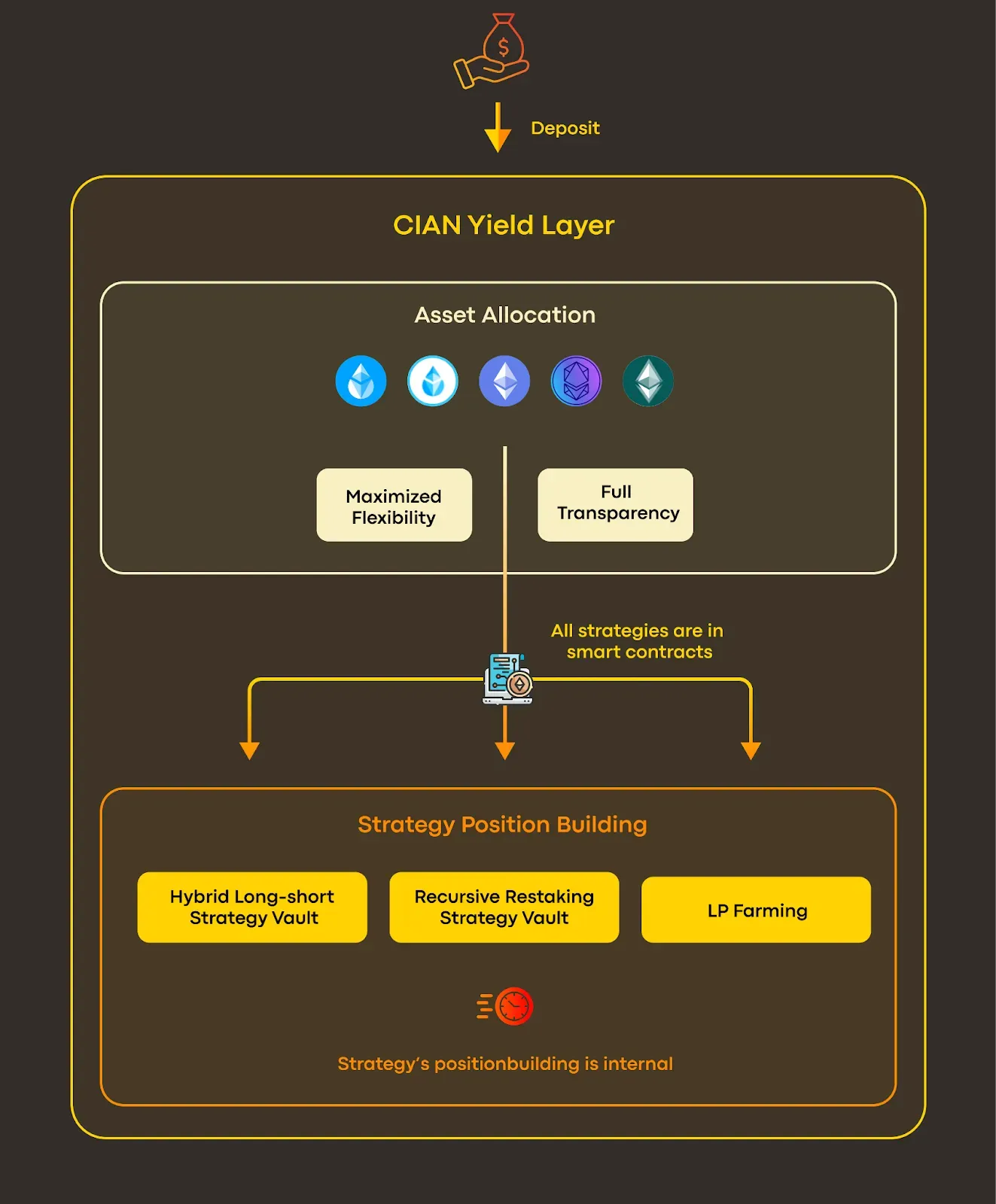
Evaluate the risk exposure associated with the strategy. High-yield strategies often require exposure to volatile assets or complex liquidation mechanisms. Compare the historical performance of similar strategies during market downturns. A strategy that performed well in a bull market may suffer significant drawdowns during periods of high volatility. Ensure you understand the liquidation thresholds and slashing risks involved.

Calculate the total cost of participation, including gas fees, protocol fees, and potential slippage. Some strategies offer high gross yields but are eroded by high operational costs. Use a fee calculator to estimate net returns over a specific period. Prioritize strategies with transparent fee structures that align with your expected holding period. Avoid strategies with hidden costs or complex fee withdrawal mechanisms.
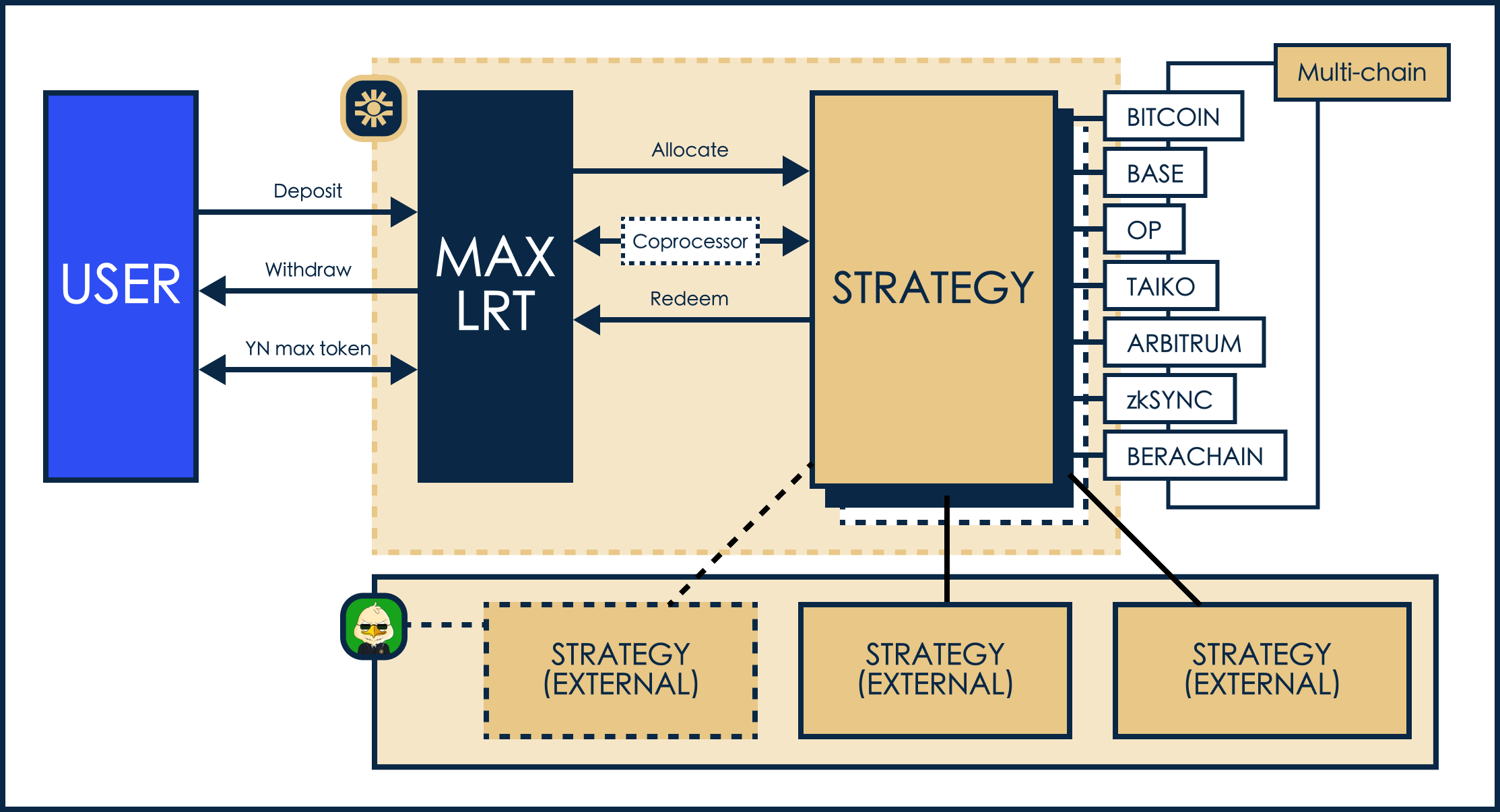
Review the audit history and security track record of the underlying protocol. Look for audits from reputable firms and check for any past vulnerabilities or exploits. Consider the age of the contract and the level of community trust. A strategy backed by a well-audited and battle-tested protocol offers greater peace of mind. Ensure the protocol has a clear incident response plan in place.

Match the strategy to your specific investment timeline and goals. Short-term traders may prefer strategies with high liquidity and frequent reward distributions. Long-term holders might prioritize strategies with compounding benefits and lower transaction costs. Consider your overall portfolio allocation and how the LRT strategy fits into your broader financial plan. Avoid strategies that require constant monitoring if you prefer a passive approach.
The decision ultimately depends on balancing yield potential with risk tolerance. By systematically evaluating these factors, you can select an LRT yield strategy that aligns with your financial objectives and risk appetite. Always conduct your own research and consider consulting with a financial advisor before making investment decisions.
Spotting Weak LRT Yield Options
Not all liquid restaking tokens (LRTs) deliver the promised returns. Some protocols mask high operational costs or rely on unsustainable incentive structures. To avoid these traps, you need to look past the headline APY and examine the underlying mechanics.
A common mistake is ignoring the total cost of entry. Many LRTs require you to bridge assets or pay high gas fees during peak times, which can eat into your yield before it even starts. Always calculate the net return after transaction costs. If the yield doesn't justify the friction, the option is weak.
Another red flag is opaque strategy design. Legitimate LRTs clearly document how yield is generated—whether through restaking, lending, or staking derivatives. If a protocol’s documentation is vague about its revenue sources, treat it as a high-risk asset. Verify the smart contract audits and the team’s track record before committing capital.
Use this comparison table to evaluate potential LRTs against standard benchmarks:
| Feature | Strong Option | Weak Option |
|---|---|---|
| Yield Source | Transparent, multi-layered | Vague or single-point |
| Cost Transparency | Clear fee structure | Hidden bridge or gas costs |
| Audit Status | Multiple reputable audits | No audits or outdated reports |
When in doubt, start with smaller positions. Monitor the protocol’s performance over a full market cycle before scaling up. Sustainable returns come from verified, transparent systems, not hype.
Lrt yield: what to check next
Liquid restaking tokens (LRTs) stack yield from liquid staking and active validation services, creating a multi-layer return structure. This approach boosts APY but introduces nested smart contract risk and liquidity constraints that don't exist in standard staking. Understanding these mechanics is essential before committing capital.
Are LRTs safer than liquid staking tokens (LSTs)?
LRTs carry higher risk because they nest LSTs within additional restaking protocols. Every layer adds smart contract exposure, meaning a vulnerability in a restaking vault can impact the entire chain. While yields are often 20-40% higher than LSTs, you are trading security for performance. Only allocate capital you can afford to lose to these nested positions.
Can I access my funds immediately if I need them?
Liquidity varies significantly by protocol. Some LRTs offer instant redemption through automated market makers, while others impose withdrawal queues or slashing penalties during network stress. Always check the specific redemption window and slippage costs for your chosen token before entering a position.
How do slashing events affect my yield?
Slashing can wipe out a portion of your principal if the validator node misbehaves. In restaking, slashing can occur at multiple levels—both in the underlying staking layer and the restaking layer. Most protocols distribute slashing losses proportionally across all restakers, meaning your yield can turn negative in extreme scenarios.
Which LRTs offer the best risk-adjusted returns?
There is no single best option. Compare protocols based on their audit history, total value locked (TVL), and the reliability of their underlying validators. Look for strategies with diversified validator sets and clear insurance mechanisms to mitigate downside risk.
No comments yet. Be the first to share your thoughts!