LRT yield strategy limits to account for
LRT yield strategies are the building blocks that execute specific yield optimization techniques within the protocol. As noted in the Yield Nest documentation, not all strategies are directly accessible to users, meaning your actual return depends on which protocols have enabled specific LRT strategies for your vaults. This access layer is the first constraint: you cannot simply select a yield source; you are limited to what the underlying LRT protocol allows.
The most common constraint involves the active trading approach of buying bonds with a maturity longer than your investment horizon. This technique, often called riding the yield curve, involves holding these positions as they approach maturity. While this can generate alpha from the yield curve's shape, it introduces duration risk. If interest rates rise, the value of your longer-dated bonds falls before you can sell or redeem them. In LRT contexts, this often manifests as temporary volatility in your staked asset's price relative to ETH.
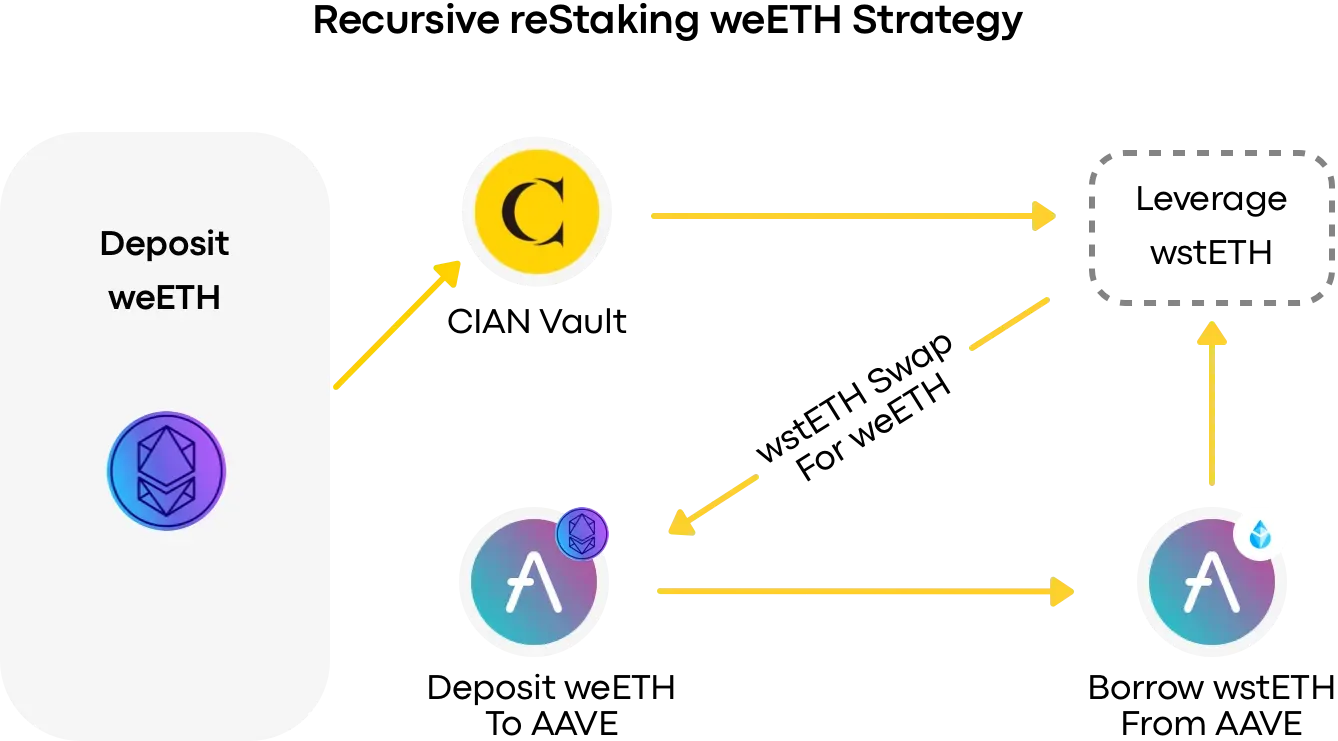
Another constraint is the enhanced yield strategy, which typically involves leveraging staked assets or participating in liquid restaking derivatives. While this boosts nominal APY, it amplifies smart contract risk and slashing exposure. The tradeoff is clear: higher yield comes with more complex attack surfaces. You must evaluate whether the extra basis points justify the additional complexity and potential for impermanent loss if the LRT decouples from its underlying asset.
Finally, liquidity constraints can lock your capital. Unlike simple staking, LRT strategies often require time-locked commitments or have withdrawal queues during network congestion. Before deploying capital, check the specific withdrawal windows and any early redemption penalties. These operational constraints are often more impactful on your net annualized return than the raw yield percentage itself.
LRT yield strategy choices that change the plan
Liquid Restaking Tokens (LRTs) layer yield on top of liquid staking, creating a complex structure that mixes staking rewards with returns from actively validated services. This multi-layer approach amplifies potential returns but introduces unique risks that differ from standard staking. Understanding these tradeoffs is essential before allocating capital.
The core tension lies between yield enhancement and risk exposure. While strategies involving longer-duration positions can boost returns, they also expose investors to duration risk and smart contract vulnerabilities inherent in nested protocols. Evaluating these factors requires looking beyond the headline APY.
| Factor | High Yield LRT | Standard LRT | Cash-Only Strategy |
|---|---|---|---|
| Yield Source | Staking + Restaking + Derivatives | Staking Only | Interest/Bills |
| Complexity | High (Multi-layer) | Medium | Low |
| Smart Contract Risk | Elevated | Moderate | None |
| Liquidity | Variable | High | High |
| Yield Stability | Volatile | Stable | Predictable |
The active trading approach of buying bonds with maturities longer than the investment horizon benefits from the curve's typical upward slope as yields drop with shorter durations. This strategy, often used in fixed-income, can be adapted to LRTs by locking capital in longer-duration restaking positions. However, it requires accurate yield curve forecasting and tolerance for price volatility if rates rise.
Enhanced yield strategies often involve active management, such as holding a bond as it ages and moves down the yield curve, or using derivatives to hedge. Rolling down the yield curve works by capturing capital gains as its yield decreases. In LRTs, this might mean periodically rebalancing restaking positions to capture shifting yield opportunities across different protocols.
The choice between these strategies depends on your risk tolerance and market outlook. High-yield LRTs offer significant upside but come with higher smart contract and liquidation risks. Standard LRTs provide a balance, while cash-only strategies offer stability but lower returns. Always assess the protocol's audit history and economic model before committing funds.
Build a practical LRT yield decision framework
Turning research into a working strategy requires mapping your risk tolerance to specific LRT protocols. The landscape is fragmented, with each platform offering distinct yield enhancement mechanisms and varying levels of transparency. A structured approach helps you isolate the best fit for your portfolio without getting lost in abstract yield metrics.
Start by evaluating the core infrastructure risks. Not all LRT strategies are directly accessible to users, as some are locked behind protocol-specific vaults or require complex rebalancing. Understanding the underlying mechanics—whether it’s restaking, liquidity provision, or derivative hedging—is essential before committing capital.
Next, align the strategy with your time horizon. The active trading approach of buying bonds with maturities longer than your investment period to capture higher initial yields as time passes works best in stable rate environments but carries reinvestment risk if rates shift unexpectedly.
Evaluate protocol transparency and access
Look for platforms that clearly disclose their yield sources. Avoid protocols that obscure their revenue streams with vague "enhanced yield" labels. The enhanced yield strategy typically involves combining base staking rewards with additional liquidity mining or fee generation. Verify that the protocol provides real-time dashboards showing these components.
Match strategy to market conditions
Different LRT strategies perform differently depending on interest rate trends. In a rising rate environment, shorter-duration strategies may outperform longer-duration ones that lock in lower yields. Conversely, the technique of holding a bond as it ages and moves down the yield curve can be highly profitable when the curve is steep and stable. Assess the current shape of the yield curve before selecting your LRT vehicle.
Implement risk controls
Set clear exit criteria for each position. LRT protocols are subject to smart contract risk, liquidation events, and regulatory changes. Diversify across multiple protocols rather than concentrating your position in a single platform. Regularly review your allocation to ensure it still matches your risk profile and yield targets.


As an Amazon Associate, we may earn from qualifying purchases.
Watchouts for LRT Yield Strategies
Not all LRT strategies are directly accessible to users, and many claims of "enhanced yield" mask hidden risks. The active trading approach of buying longer-dated bonds to profit from their downward roll is a classic fixed-income tactic, but applying it to liquid restaking tokens introduces new variables. Before committing capital, you need to separate robust mechanics from marketing noise.
The Trap of Non-Transparent Strategies
Many protocols advertise complex LRT strategies that are not transparent to end users. This opacity creates a significant information asymmetry. You might see high APYs driven by rewards that are difficult to sustain or exit. Always verify if the strategy is documented and if you can exit positions without severe slippage or lock-up periods.
Riding the Curve vs. Restaking Risks
The active trading approach of buying bonds with maturities longer than the investment horizon works well in traditional bonds because the yield curve is relatively stable. In LRTs, the "curve" is dynamic and influenced by staking yields, restaking fees, and protocol rewards. If the underlying staking yield drops or the restaking protocol faces a slashing event, the yield advantage disappears instantly. Holding a bond as it ages and moves down the yield curve assumes price stability that doesn't always exist in volatile crypto markets.
Enhanced Yield: Check the Source
"Enhanced yield" often means leverage or complex tokenomics. Check if the yield comes from real fees or just new token emissions. If it's emissions, it's inflationary and likely unsustainable. Look for protocols that disclose their fee structures and slashing risks clearly. Avoid strategies that promise double-digit yields without a clear, auditable source of income.
Practical Checks for Sustainable Returns
- Verify Access: Can you actually execute the strategy, or is it locked behind a whitelist?
- Audit the Yield: Is it from staking rewards, trading fees, or token inflation?
- Check Exit Liquidity: Can you sell the LRT without moving the market against you?
- Slashing Risk: What is the protocol's history with slashing events?
By focusing on these concrete checks, you can avoid the weak options and find strategies that offer sustainable, transparent returns.
LRT yield strategy: what to check next
These answers address the practical mechanics behind LRT yield strategies, focusing on how yield curve dynamics and enhanced yield structures function in practice.
What does it mean to ride the yield curve?
Riding the yield curve is an active trading strategy where you buy bonds or LRT positions with a maturity longer than your investment horizon. Instead of holding to maturity, you sell the position as it approaches maturity. Because longer-term yields are typically higher than short-term yields, the asset's yield "rolls down" the curve as time passes, allowing you to capture price appreciation in addition to the yield itself.
How does rolling down the yield curve work?
Rolling down relies on the shape of the yield curve. In a normal, upward-sloping curve, longer-dated assets offer higher yields. As an asset ages, its remaining maturity shortens, moving it to a lower point on the curve with a lower required yield. This decrease in yield translates to a price increase. You profit from this roll-down effect by exiting the position before maturity, locking in the capital gain alongside the periodic yield payments.
When to ride the yield curve?
This strategy works best when the yield curve is steep and stable. A steep curve provides a larger gap between long and short yields, maximizing the roll-down benefit. It requires confidence that interest rates will not spike unexpectedly, which would flatten or invert the curve and erode the value of your position. If rates rise sharply, the price appreciation from rolling down may be outweighed by the loss in asset value.
What is the enhanced yield strategy?
Enhanced yield strategies in the LRT sector combine standard staking rewards with additional returns from actively validated services, such as restaking or nested protocols. Unlike simple staking, these strategies introduce multi-layer yield structures. While this can significantly boost total returns, it also introduces complexity and additional smart contract risks that must be carefully evaluated.
No comments yet. Be the first to share your thoughts!