
What liquid restaking actually yields
Liquid restaking tokens (LRTs) generate returns through a layered structure that goes beyond standard staking. When you stake ETH directly, you receive a Liquid Staking Token (LST) and earn the base protocol yield. An LRT takes that LST and restakes it into additional networks known as Active Validator Services (AVSs). This process creates a composite yield stream: the original staking rewards plus new incentives from the AVSs.
The mechanics rely on "stacking" rewards. As noted by Three Sigma, an LRT yields the base staking returns plus additional rewards from each integrated protocol. This means your single asset is securing multiple networks simultaneously, earning incentives from each. The yield composition is not a single number but a sum of these overlapping reward streams.
This structure distinguishes LRTs from LSTs. While LSTs provide exposure to Ethereum consensus rewards, LRTs add a variable layer of AVS incentives. This can boost overall returns but also introduces complexity. The total yield depends on the number of AVSs the LRT supports and the current incentive rates of those services.
Comparing top LRT yield strategies
Liquid Restaking Tokens (LRTs) are not a monolith. While they all start with the same base layer—staked ETH—their yield mechanics diverge based on how they deploy that capital. Understanding these differences is essential for a practical LRT yield guide.
At their core, LRTs combine native staking rewards with additional returns from Active Validation Services (AVSs) or lending markets. Some protocols prioritize simplicity by acting as passive yield aggregators, while others introduce complex nesting layers or lock-up periods to boost returns. The trade-off is always between yield potential and infrastructure risk.
To navigate this landscape, we compare the major LRT strategies across four critical dimensions: base yield source, AVS exposure, liquidity terms, and smart contract complexity.
| Protocol | Primary Yield Source | AVS Exposure | Liquidity Terms | Risk Profile |
|---|
The chart above highlights the relative performance of ezETH against ETH. A diverging line indicates premium expansion or contraction, while a steady upward slope in value (if tracked on a total return basis) confirms healthy yield accrual. This visual approach helps you spot trends that a simple percentage yield might obscure.
Don't rely on a single day's data. LRT yields can fluctuate based on network congestion and AVS demand. Look for consistent patterns over weeks or months to determine if a strategy is sustainable or if the yield is artificially inflated by temporary incentives.
Choosing the right LRT for your portfolio
Selecting the best LRT yield strategy depends on balancing three variables: yield potential, liquidity, and protocol risk. Not every liquid restaking token fits every investor profile.
Restaking amplifies yield but introduces smart contract and slashing risks. If you are risk-averse, stick to established LRTs with battle-tested code. High-yield options often come from newer, less audited protocols that may not survive market stress.

Some LRTs offer deep liquidity on DEXs, while others suffer from slippage during volatility. If you need to exit positions quickly, prioritize tokens with high trading volume and low spread. Illiquid LRTs can trap your capital when you need it most.
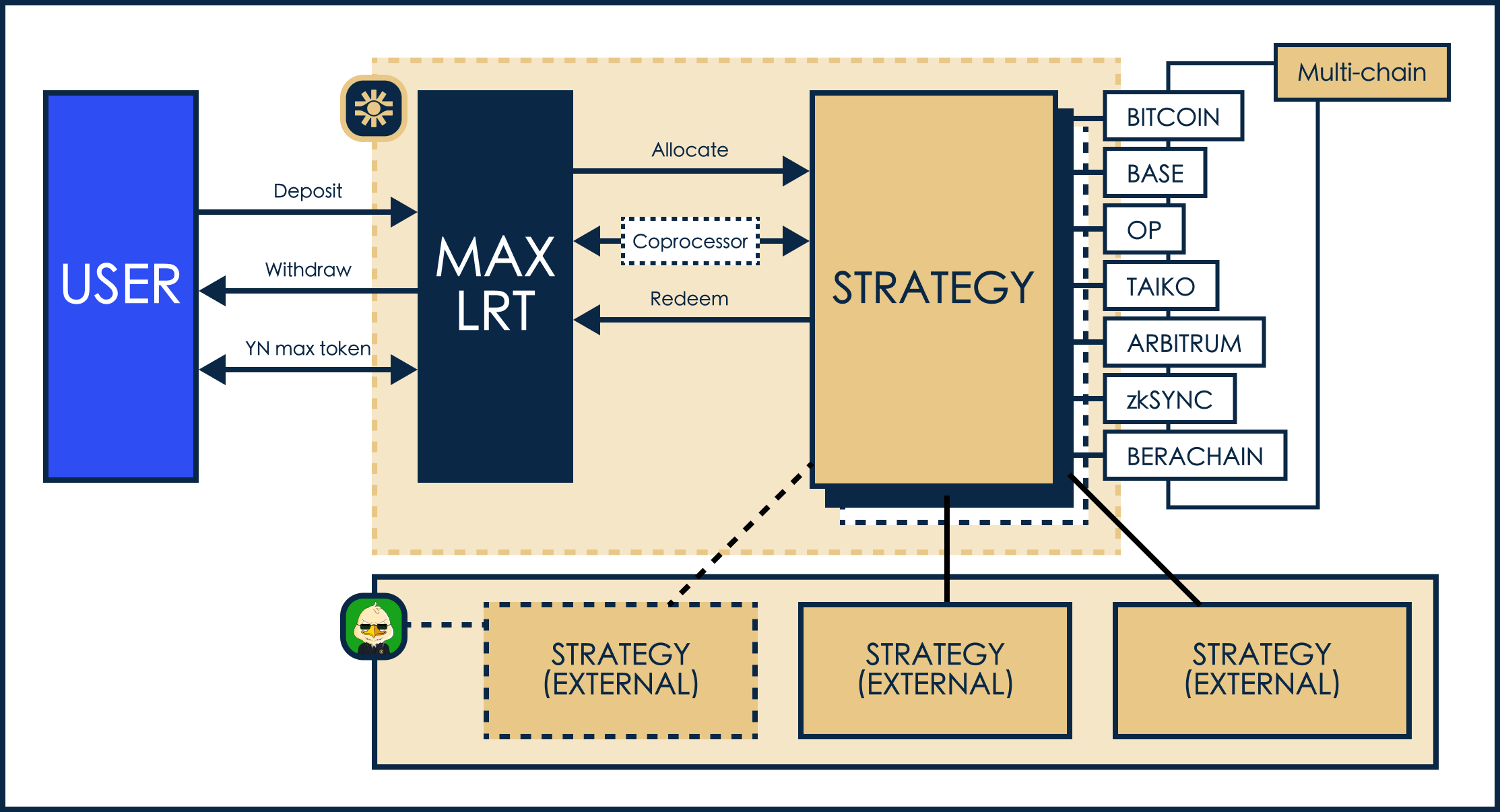
Yield comes from multiple sources: staking rewards, restaking fees, and MEV. Check if the yield is sustainable or artificially inflated. Sustainable yields rely on real network activity, not just token emissions.
Before depositing, run through this checklist to ensure the LRT aligns with your goals:
-
Protocol has undergone multiple independent audits
-
TVL is stable or growing, not declining sharply
-
Liquidity is sufficient for your intended position size
-
Yield source is transparent and sustainable
-
You understand the slashing risks involved
No comments yet. Be the first to share your thoughts!