
Why hardware wallets matter for LRT
Liquid Restaking Tokens (LRTs) stack yield from multiple protocols, increasing your attack surface. Unlike standard staking, an LRT combines base staking rewards with additional returns from Active Validation Services (AVSs). This multi-layer structure is attractive, but it also means your assets are exposed to more smart contract interactions. If one layer in the chain is compromised, the entire position is at risk. Secure storage is the only hedge against this amplified smart contract risk.
Using a hot wallet for high-stakes restaking is like leaving your front door unlocked in a high-crime neighborhood. Your private keys are online, making them vulnerable to phishing, malware, and exchange hacks. A hardware wallet keeps your keys offline, signing transactions locally. This ensures that even if your computer is infected, the attacker cannot move your funds without physical access to the device.
The complexity of LRTs demands a higher level of security discipline. You are not just holding a token; you are managing a yield-generating position across several protocols. A single slip-up can result in total loss. By using cold storage, you add a critical layer of defense that isolates your assets from the digital threats inherent in DeFi.
Topaz One for maximum security
If your priority is absolute control over your LRT yield, the Topaz One hardware wallet stands out as the premium choice. It is designed for users who want to bridge the gap between high-level security and the complex ecosystem of restaking without sacrificing convenience.
The device features a sleek, portable form factor that makes it easy to manage your assets on the go. Unlike bulkier alternatives, the Topaz One is built to integrate smoothly with popular DeFi dashboards, allowing you to view your restaking positions and yield accruals directly from the device’s interface. This integration reduces the friction of signing transactions while keeping your private keys isolated from potentially vulnerable internet-connected devices.
Security is the core of its design. The Topaz One utilizes a dedicated secure element chip to store your private keys, ensuring they never leave the device. This hardware-level isolation protects against malware and phishing attempts that frequently target software-based wallets. For LRT strategies, where assets are often nested and locked for extended periods, having a physical confirmation step for every critical transaction is essential.
The device also supports a wide range of EVM-compatible chains, making it versatile for managing diverse restaking protocols. Whether you are staking on Ethereum or exploring emerging LRT layers, the Topaz One provides a consistent and secure signing experience. Its compatibility with major DeFi interfaces means you can interact with your yield-generating assets confidently, knowing your seed phrase remains secure offline.
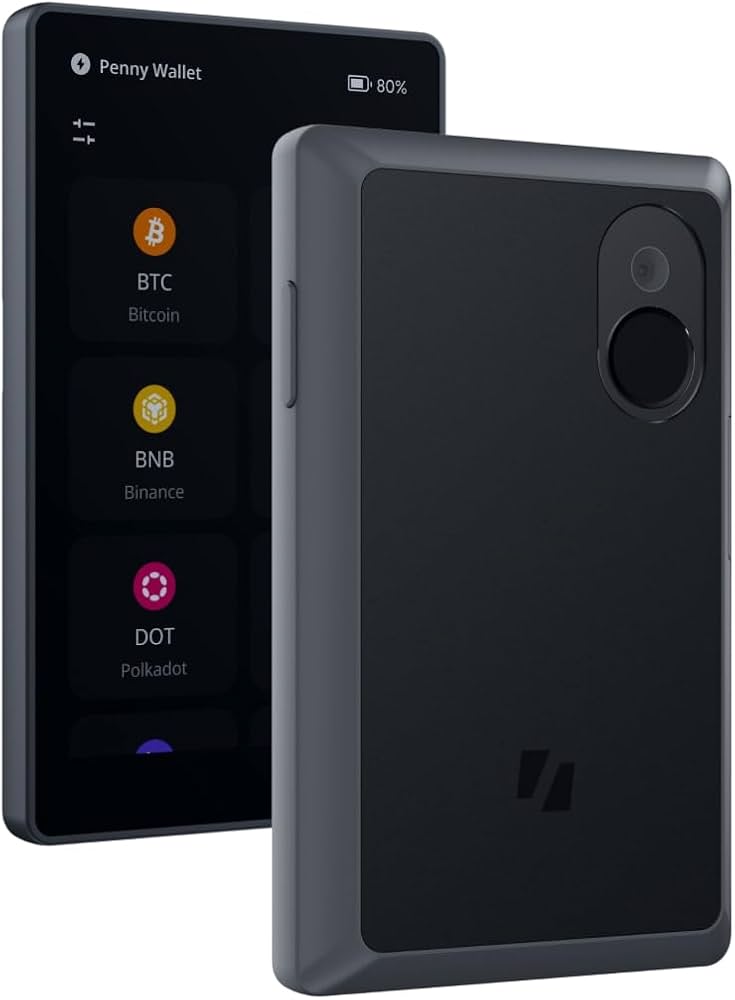
The Topaz One is not just a storage device; it is a management tool for serious LRT investors. By combining robust security with user-friendly ecosystem integration, it offers a reliable foundation for securing your restaking yields. If you are ready to take full custody of your assets while maintaining access to yield opportunities, this device is a strong candidate for your setup.
Trezor Safe 3 for budget reliability
The Trezor Safe 3 sits in a sweet spot for LRT yield seekers who need solid security without the premium price tag of higher-end models. It is an open-source hardware wallet that prioritizes transparency and cost-effectiveness, making it a practical entry point for users managing restaking assets. If you are just starting to plan around the LRT yield space, this device offers a straightforward way to secure your keys without overhead.
At its core, the Trezor Safe 3 uses a secure element chip to isolate your private keys from potential malware. This hardware-level isolation is essential when dealing with complex DeFi protocols and restaking strategies, where a single compromised key can lead to significant losses. The open-source nature of the firmware means the code is publicly auditable, allowing the community to verify that no backdoors or hidden vulnerabilities exist. This transparency builds trust in a sector where software integrity is paramount.
The device features a simple button-based interface that requires physical confirmation for every transaction. This tactile feedback loop prevents accidental signing of malicious contracts, a common risk when interacting with multiple yield protocols. While it lacks the color touchscreen of more expensive alternatives, the monochrome display is sufficient for verifying transaction details clearly and concisely.
For budget-conscious investors, the Trezor Safe 3 provides the essential security layer needed to protect LRT positions. It is not about having the flashiest features; it is about having a reliable, auditable tool that keeps your assets safe while you pursue yield.

Ledger Stax for ecosystem integration
The Ledger Stax changes how you interact with your crypto assets by introducing a curved, e-ink touchscreen. For LRT users managing complex restaking positions, this isn't just a cosmetic upgrade; it's a functional necessity. The screen allows you to verify transaction details directly on the device, ensuring that the smart contract interactions required for liquid restaking are exactly what you intended to sign.
This clarity is critical when dealing with LRT protocols. Unlike simple ETH transfers, restaking involves multiple layers of smart contracts. The Stax’s large, customizable display lets you see the specific contract address and transaction data clearly, reducing the risk of signing malicious or incorrect payloads. It bridges the gap between cold storage security and the usability required for active DeFi participation.
Also, the device supports the Ledger Live app ecosystem, which has expanded significantly to include support for various LRT protocols. This integration means you can manage your restaking assets without constantly switching between different interfaces. The hardware wallet acts as a secure anchor for your digital portfolio, keeping your private keys offline while allowing you to monitor and adjust your yield strategies with confidence.

Compare LRT storage options
Choosing a hardware wallet for LRT restaking isn't just about security; it's about compatibility. Your device needs to talk to the dApps and dashboards managing your restaked assets without friction. Below, we break down the three most reliable options for securing your yield.
| Feature | Topaz One | Treasor Safe 3 | Ledger Stax |
|---|---|---|---|
| Display | Large E-ink | Small monochrome | Curved E-ink |
| Security Chip | SE + TPM 2.0 | Secure Element | Secure Element |
| Best For | Complex LRT dashboards | Budget security | High-value storage |
| Price Range | Premium | Affordable | Premium |
The Topaz One stands out for LRT users because its large E-ink display renders complex transaction details clearly. When you're managing restaking positions across multiple protocols, seeing the full data on-device reduces the risk of signing the wrong transaction. It pairs a Secure Element with a TPM 2.0 chip, offering a layered defense for your yield.
The Trezor Safe 3 is the entry point for those prioritizing cost without sacrificing core security. Its smaller screen requires more careful verification, but it remains a solid choice for holding the underlying tokens that generate your LRT yield. It’s less ideal for frequent, complex interactions but excellent for cold storage.
The Ledger Stax offers a premium experience with its curved E-ink touchscreen. While visually striking, the primary advantage is the ability to customize the home screen with your favorite dApps. For users who interact with their LRT portfolio daily, this convenience can streamline the workflow, though it comes at a higher price point.
Secure your LRT yield today
Restaking amplifies returns, but it also amplifies the cost of a mistake. If your private keys are exposed, no amount of yield can replace the lost principal. Treat your hardware wallet like a vault for your digital life, not just another app on your phone.
The path to safety is explicit: verify the source, compare the offer, and check the total cost before you buy. Don't leave your assets to chance. Choose a device that prioritizes security and starts protecting your LRT yield immediately.


As an Amazon Associate, we may earn from qualifying purchases.
No comments yet. Be the first to share your thoughts!