Budget fit and hardware wallet selection
Choosing a hardware wallet for LRT yield is a tradeoff between price, age, and condition. Your budget determines the security layer, but the device's age and physical state often matter more than the sticker price. A $150 wallet bought new offers peace of mind; a $50 used unit carries hidden risks. We prioritize devices that support the specific protocols you plan to restake, ensuring your yield strategy doesn't break due to compatibility gaps.
When evaluating options, look for current firmware support and verified supply chains. Older models may no longer receive critical security updates, leaving your staked assets exposed to emerging attack vectors. Condition is equally critical: a device with worn buttons or a cracked screen can fail during critical signing operations, potentially locking your liquidity or causing transaction errors. Always check the seller's return policy and verify the device's authenticity upon arrival.
The following Amazon product grid features hardware wallets that balance cost with the robust security needed for liquid restaking. These selections are chosen for their proven track record in supporting complex DeFi stacks, including LRT-specific applications. We avoid listing every available model, focusing instead on those that offer the best risk-adjusted value for yield farmers.


As an Amazon Associate, we may earn from qualifying purchases.
Shortlist real options
When selecting an LRT yield strategy, the primary tradeoff is between yield complexity and risk exposure. The Gauntlet risk framework identifies four key attributes to evaluate: slashing exposure, smart contract dependency, liquidity constraints, and protocol concentration. Products that consolidate these risks often promise higher returns but require deeper due diligence.
The following comparison highlights three distinct approaches to LRT yield generation. These options range from self-custody hardware solutions to automated yield layer protocols. Each serves a different risk tolerance and technical comfort level.
| Option | Mechanism | Risk Focus | Ideal User |
|---|---|---|---|
| Hardware Wallets | Self-Custody | Low protocol risk, high user error risk | Users prioritizing security over convenience |
| Yield Layer Protocols | Automated Aggregation | Smart contract and slashing risk | Users seeking 1-click yield optimization |
| Direct LRT Strategies | Manual Allocation | High complexity, high potential yield | Advanced users managing specific vectors |
Hardware wallets remain the foundational layer for secure restaking. They isolate private keys from online threats, reducing smart contract attack surfaces. However, they do not optimize yield automatically. Users must manually bridge and stake assets, which introduces operational friction. This approach is best for those who value custody control over yield automation.
Yield layer protocols like Yield Nest consolidate multiple yield sources into a single vector. They offer 1-click access to diversified strategies, simplifying the user experience. This convenience comes with increased smart contract risk and potential slashing exposure across multiple services. These platforms are ideal for users who want passive income without managing complex staking workflows.
Direct LRT strategies involve manual allocation into specific yield optimization techniques. These strategies are not always accessible to retail users and require significant technical knowledge. They offer the highest potential yield but also the highest risk of impermanent loss or slashing. This option suits advanced users who can actively monitor and adjust their positions.
Inspect the expensive parts
LRT yield strategies layer multiple protocols, which means a failure in one link can break the entire chain. You need to check the infrastructure before you commit capital. Think of this like inspecting a bridge before driving across it; you don't just look at the paint, you check the load-bearing bolts.
Use this checklist to verify the most expensive failure points in your LRT yield strategy.

Check if the protocols are audited by reputable firms like Gauntlet or OpenZeppelin. Look for the audit reports themselves, not just the badge on the website. Unaudited code is a gamble, not a strategy. Ensure the audit covers the specific restaking logic, not just the base staking contract.

Restaking compounds risk. Your asset secures multiple services, so it is exposed to the slashing conditions of every single one. Read the terms. If one validator goes rogue, do you lose your entire stake? A good strategy has insurance or slashing protection built in.

Can you exit the position quickly if the market turns? Check the liquidity pools for your LRT. Low liquidity means high slippage when you try to sell. If the pool is thin, you might get a much worse price than expected during a downturn.
Fees eat into your yield over time. Look at the management fees, performance fees, and gas costs. Some protocols charge high fees for "yield optimization" that barely outperforms simple staking. Compare the net APY after all fees are deducted.


As an Amazon Associate, we may earn from qualifying purchases.
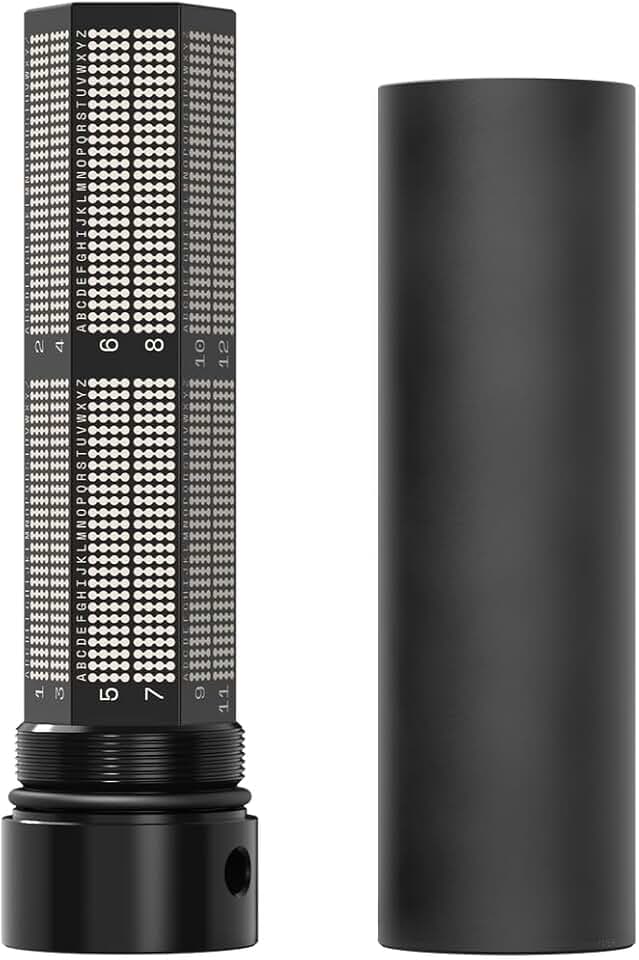
Keeping your LRTs in a hardware wallet is the best way to protect them from exchange hacks. These devices keep your private keys offline, ensuring that even if your computer is compromised, your assets remain safe. Choose a wallet that supports the specific tokens you are staking.
Ownership costs and maintenance surprises
A low purchase price rarely tells the whole story. With liquid restaking tokens (LRTs), the true cost of ownership includes hardware, software, and the time spent managing multiple validator keys. Buying a cheap wallet is only the first step; the ongoing maintenance required to keep those assets secure often outweighs the initial savings.
Hardware and software overhead
LRT strategies involve more complex key management than simple staking. You need a hardware wallet for cold storage, but you also need access to a node or a reliable API provider to monitor restaking positions across multiple protocols. If you rely on third-party dashboards, subscription fees or data limits can add up. Consider the total cost of these tools when evaluating a strategy’s net yield.
The hidden cost of downtime
Security is not a one-time purchase. Validator keys require regular rotation and monitoring. If your hardware wallet fails or you lose access to your recovery phrase, the assets may be locked or lost forever. Unlike traditional finance, there is no customer service to call. The "cheap" wallet that lacks a clear recovery process or user support can become the most expensive mistake in your portfolio.
When a cheap buy stops being cheap
In the world of LRT yield, durability matters more than upfront price. A $50 wallet that breaks after a year costs more than a $150 device that lasts five. Prioritize devices with proven track records, clear firmware update paths, and accessible support. The goal is to minimize friction and risk over the long term, not just to save money on day one.


As an Amazon Associate, we may earn from qualifying purchases.
Lrt yield: what to check next
Navigating liquid restaking requires understanding how tokens function and where risks accumulate. Below are answers to the most common practical questions about LRTs, liquid staking, and the infrastructure needed to manage them.
For those looking to secure their LRT assets, choosing the right hardware wallet is a critical first step in risk management. See our curated selection of hardware wallets below to find the best fit for your setup.
No comments yet. Be the first to share your thoughts!