What drives LRT yield
To understand LRT yield, you have to look past the headline percentage and see the mechanics underneath. An LST (Liquid Staking Token) offers a single revenue stream: the base staking rewards from securing the Ethereum network. An LRT takes that staked ETH and restakes it, adding a secondary layer of revenue from Actively Validated Services (AVSs).
Think of it as stacking revenue streams. The first layer is the foundation—Ethereum consensus rewards. The second layer is the expansion—payments from AVSs that rely on the security provided by your restaked capital. This dual-layer structure is what differentiates LRT yield from traditional staking.
The total yield of an LRT is the sum of these two components. While the base staking rate is relatively stable and predictable, the AVS rewards can fluctuate based on demand for additional security services. This means LRT yield is inherently more complex, offering higher potential returns but requiring a deeper understanding of the underlying risk vectors.
LST vs. LRT yield breakdown
Liquid staking tokens (LSTs) and liquid restaking tokens (LRTs) both start with staked ETH, but they diverge sharply in how they generate returns. LSTs offer a straightforward yield derived from the base Ethereum network. LRTs layer on additional returns by restaking that staked ETH to secure other networks.
Choosing between them depends on your appetite for complexity and risk. LSTs provide a steady, lower yield with a single layer of smart contract exposure. LRTs promise higher APY by adding a secondary yield source, but they introduce a new set of risks, including slashing penalties across multiple chains.
The table below breaks down the core differences. Use it to see how the extra yield from restaking compares to the simplicity of standard staking.
| Feature | LST (Liquid Staking) | LRT (Liquid Restaking) |
|---|---|---|
| Primary Yield Source | ETH staking rewards | ETH staking + restaking rewards |
| Yield Potential | Lower, stable | Higher, variable |
| Slashing Risk | Single layer (ETH network) | Multi-layer (ETH + AVS) |
| Smart Contract Risk | Lower | Higher |
| Complexity | Simple, single asset | Complex, nested derivatives |
The additional yield in LRTs comes from providing security to Active Validated Services (AVSs). While this boosts APY, it also means your ETH is exposed to the failure modes of those additional networks. If an AVS fails to perform its duties, your restaked ETH can be slashed, potentially wiping out both the base staking rewards and the extra yield.
Infrastructure risks in restaking
A practical choice should survive normal use, maintenance, timing, and budget. If a recommendation only works in an ideal situation, call that out plainly and give the reader a fallback path.
The simplest way to use this section is to write down the must-have criteria first, then compare each option against those criteria before weighing nice-to-have features.
How to choose an LRT yield strategy
Selecting the right liquid restaking token (LRT) strategy requires balancing yield potential against protocol risk. Because LRTs involve multiple layers of smart contracts and node operators, a single point of failure can impact your entire position. This decision framework helps you match your risk tolerance with the appropriate yield structure.
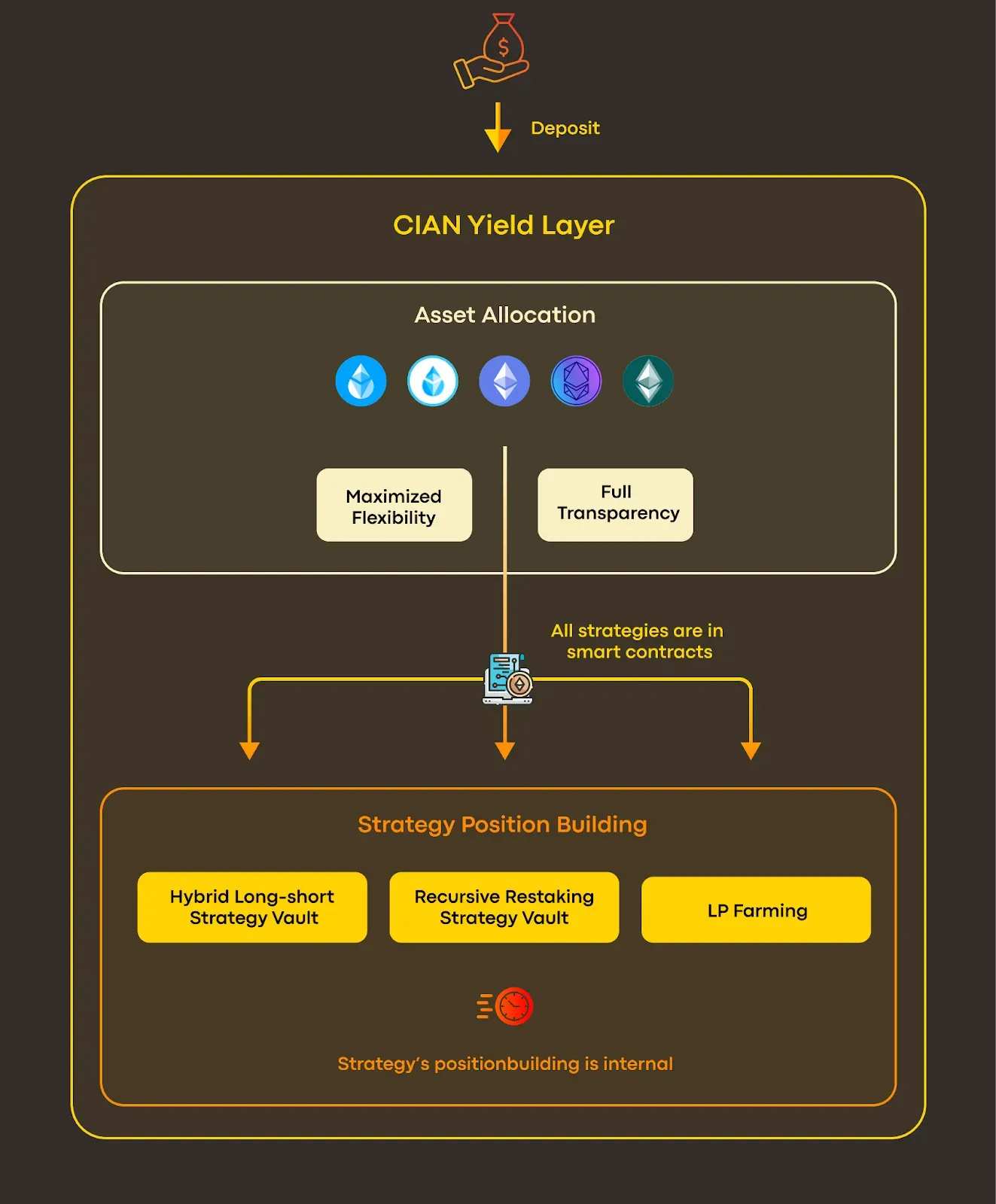
Start by determining how much yield volatility you can withstand. Conservative investors should prioritize protocols with established track records, diversified node operators, and slashing protection. Aggressive investors may accept higher smart contract risk or concentrated exposure to specific restaking protocols for enhanced returns.
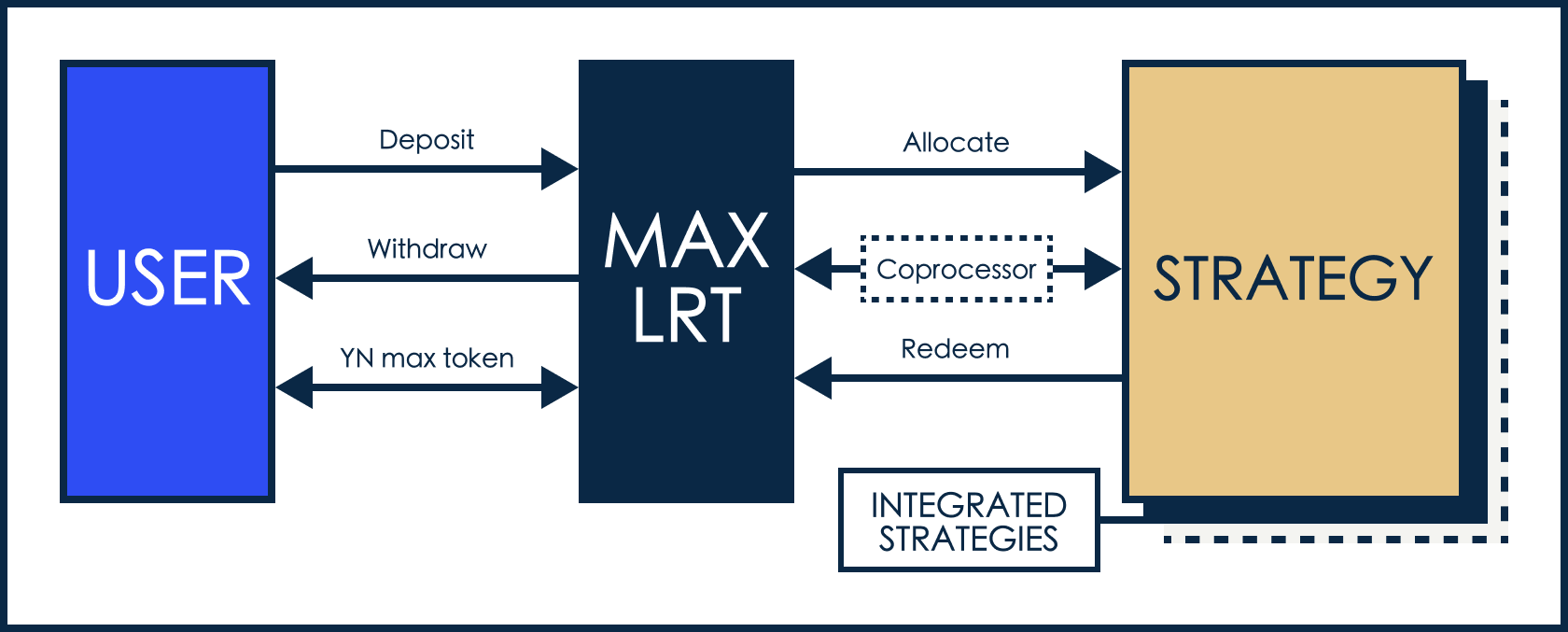
Not all LRT yields are created equal. Some rely on stable, low-volatility staking rewards, while others incorporate volatile MEV (Maximal Extractable Value) or restaking incentives. Analyze the composition of the yield: a strategy heavily dependent on fluctuating MEV rewards may see significant APY swings during market downturns.
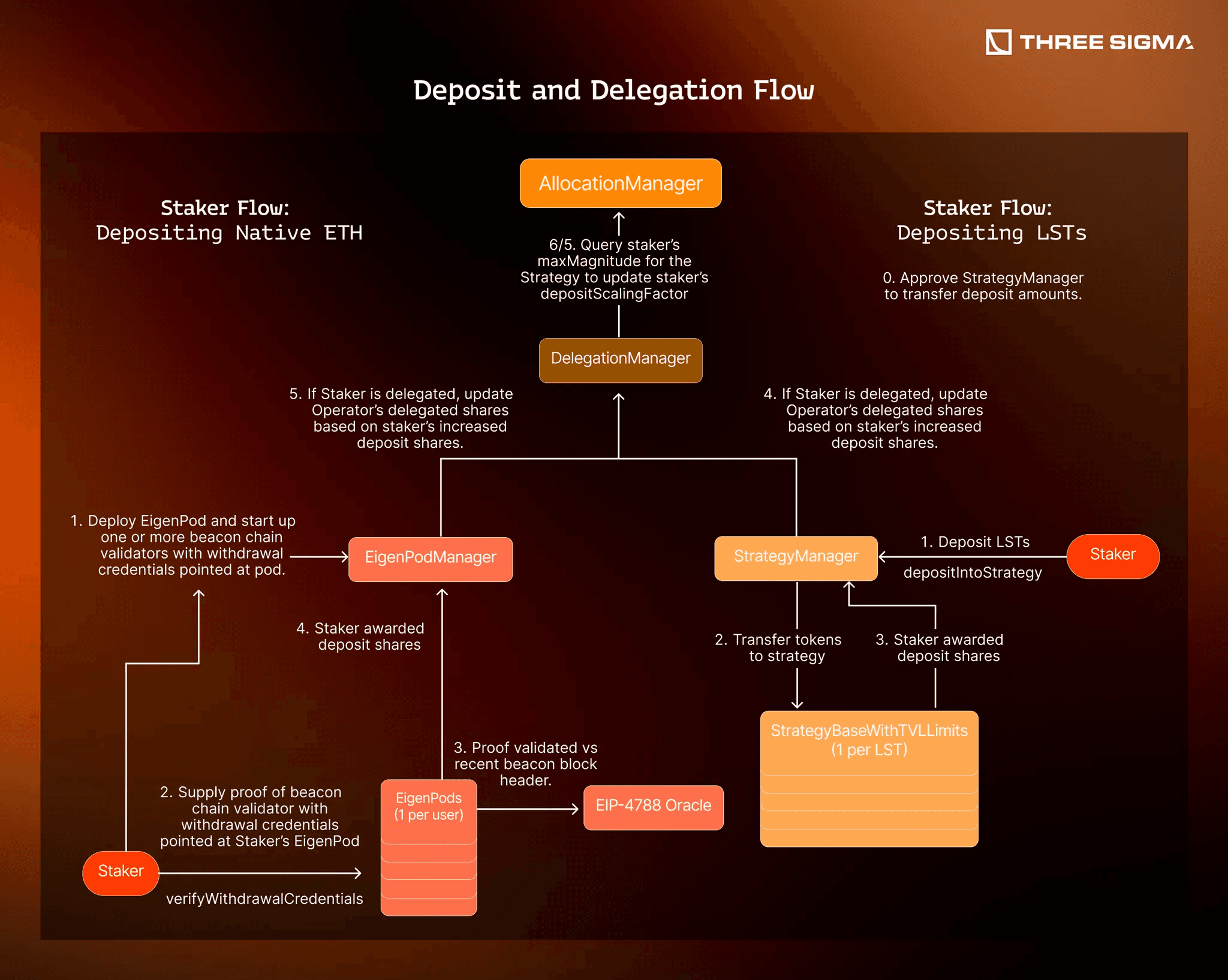
Review the audit history of the underlying LRT protocol. Look for multiple independent audits from reputable firms and check if the protocol has undergone any known exploits. Protocols with active bug bounty programs and transparent incident response plans offer an additional layer of security for your capital.
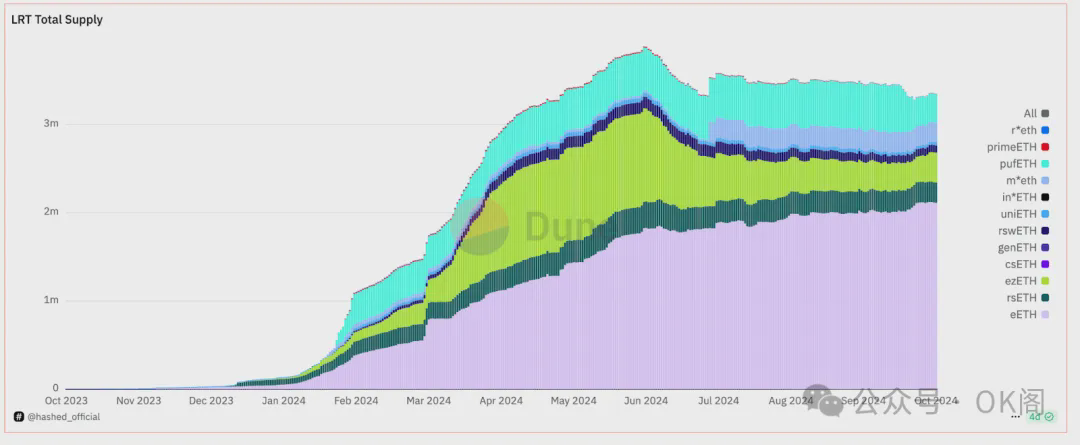
High yields mean little if you cannot exit your position when needed. Check the liquidity depth of the LRT on decentralized exchanges and whether the protocol offers native unstaking mechanisms. Illiquid LRTs can trap your capital during market stress, preventing you from mitigating losses.
What is an LRT and how does it differ from LSTs?
Liquid restaking tokens (LRTs) are the result of taking assets that are already staked and pledging them to secure additional decentralized applications. Unlike a standard Liquid Staking Token (LST), which simply represents your staked ETH and its base network rewards, an LRT layers on extra yield from these secondary protocols.
Think of an LST as a receipt for your staked capital. An LRT is that receipt wrapped in a contract that automatically puts your capital to work in other networks. This structure allows you to earn the base staking yield plus additional rewards from every integrated protocol, all while keeping your assets liquid and usable across DeFi.
No comments yet. Be the first to share your thoughts!