LRT Yield Constraints and Risk Factors
Liquid Restaking Tokens (LRTs) like rsETH and eETH offer higher yields than standard ETH staking by re-staking through protocols such as EigenLayer. However, this extra yield comes with specific constraints that can impact your returns if not managed correctly.
The primary constraint is withdrawal liquidity. When you stake ETH, your funds are locked. LRTs provide a liquid token, but when you want to exit, you must sell that token. If market demand for the LRT drops, you may receive fewer ETH than expected, creating a "yield drag."
Secondly, slashing risk is shared. If a validator operator acting on your behalf is penalized for malicious behavior, your staked ETH is at risk. While many LRTs have insurance funds, these are not always sufficient to cover large-scale slashing events, meaning your principal could be partially lost.
Finally, smart contract risk is inherent. LRTs rely on complex code to manage staking, restaking, and reward distribution. Any bug or exploit in these contracts can lead to total loss of funds. This risk is higher than simple ETH staking because the attack surface is larger.
| Feature | Standard ETH Staking | Liquid Restaking (LRT) |
|---|---|---|
| Yield Source | ETH consensus rewards | ETH + Restaking rewards |
| Liquidity | Illiquid (locked) | Liquid (tradeable token) |
| Slashing Risk | Low (direct validator) | Medium (via operator) |
| Smart Contract Risk | Low | High (complex stack) |
The tradeoff is clear: you accept higher technical and market risk for the potential of higher yields. For most investors, this means allocating only a portion of their staking portfolio to LRTs, balancing the upside with the safety of direct staking.
Lrt yield choices that change the plan
Liquid restaking offers higher yields than standard staking, but that extra return comes with distinct structural risks. Evaluating LRT yield requires looking past the base APY to understand the mechanics behind it. The yield is not free money; it is compensation for taking on additional layers of smart contract risk, slashing exposure, and liquidity constraints.
When comparing protocols, you must weigh three primary tradeoffs: yield source transparency, withdrawal flexibility, and protocol complexity. A high yield often signals aggressive strategy allocation or lower liquidity buffers. Understanding these factors helps you align your position with your actual risk tolerance rather than chasing the highest number on a dashboard.
| Feature | Stability Focus | Yield Potential | Risk Profile |
|---|---|---|---|
| Conservative LRTs | High capital preservation | Lower (near staking rate) | Minimal smart contract complexity |
| Aggressive LRTs | Variable | Higher (active strategy) | Higher slashing and depeg risk |
| Neutral LRTs | Balanced | Moderate | Standard restaking exposure |
The core tension in LRT yield tradeoffs lies between liquidity and return. Protocols that offer instant, frictionless withdrawals often sacrifice yield to maintain deep liquidity pools. Conversely, protocols that lock assets into complex restaking strategies can generate superior returns but may impose delays or penalties during periods of high network congestion. You must decide if you prioritize the ability to exit quickly or the potential for compounding gains.
Ultimately, the best LRT for your portfolio depends on your time horizon. If you are hedging short-term volatility, a stability-focused LRT with lower yield but higher liquidity buffers is safer. If you are committed to long-term holding, an aggressive LRT may justify the complexity. Always verify the underlying strategy documentation before committing capital, as yield sources can change rapidly based on network conditions.
Choose the next step
LRT Yield works best as a clear sequence: define the constraint, compare the realistic options, test the tradeoff, and choose the path with the fewest hidden costs. That order keeps the advice usable instead of decorative. After each step, pause long enough to check whether the recommendation still fits the reader's actual situation. If it depends on perfect timing, unusual access, or a best-case budget, include a simpler fallback.

Avoid the weak options
The easiest mistake with LRT Yield is comparing options on the most visible detail while ignoring the day-to-day constraint. A choice can look strong on paper and still fail because it is too hard to maintain, too expensive to repeat, or awkward in the actual setting. Use the same checklist for every option: fit, cost, durability, timing, upkeep, and fallback plan. That keeps the comparison practical instead of drifting into preference alone.
The simplest way to use this section is to write down the real constraint first, compare each option against it, and choose the path that still works outside ideal conditions.
Lrt yield: what to check next
Liquid restaking tokens (LRTs) offer a way to stack yields by re-staking ETH, but the mechanics require a clear understanding of risk and return. Below are direct answers to the most common practical questions before you allocate capital.
How does LRT yield differ from standard staking?
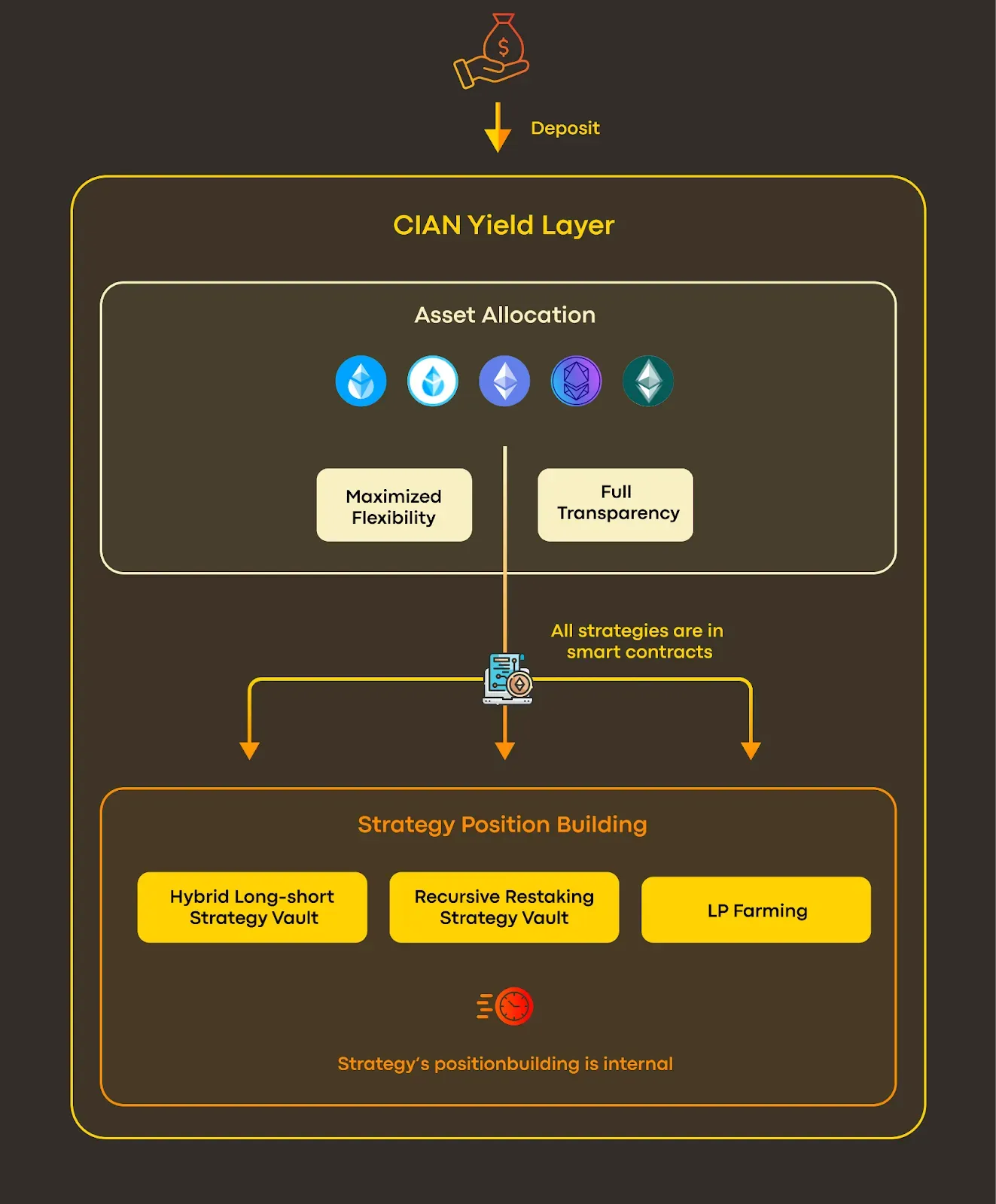
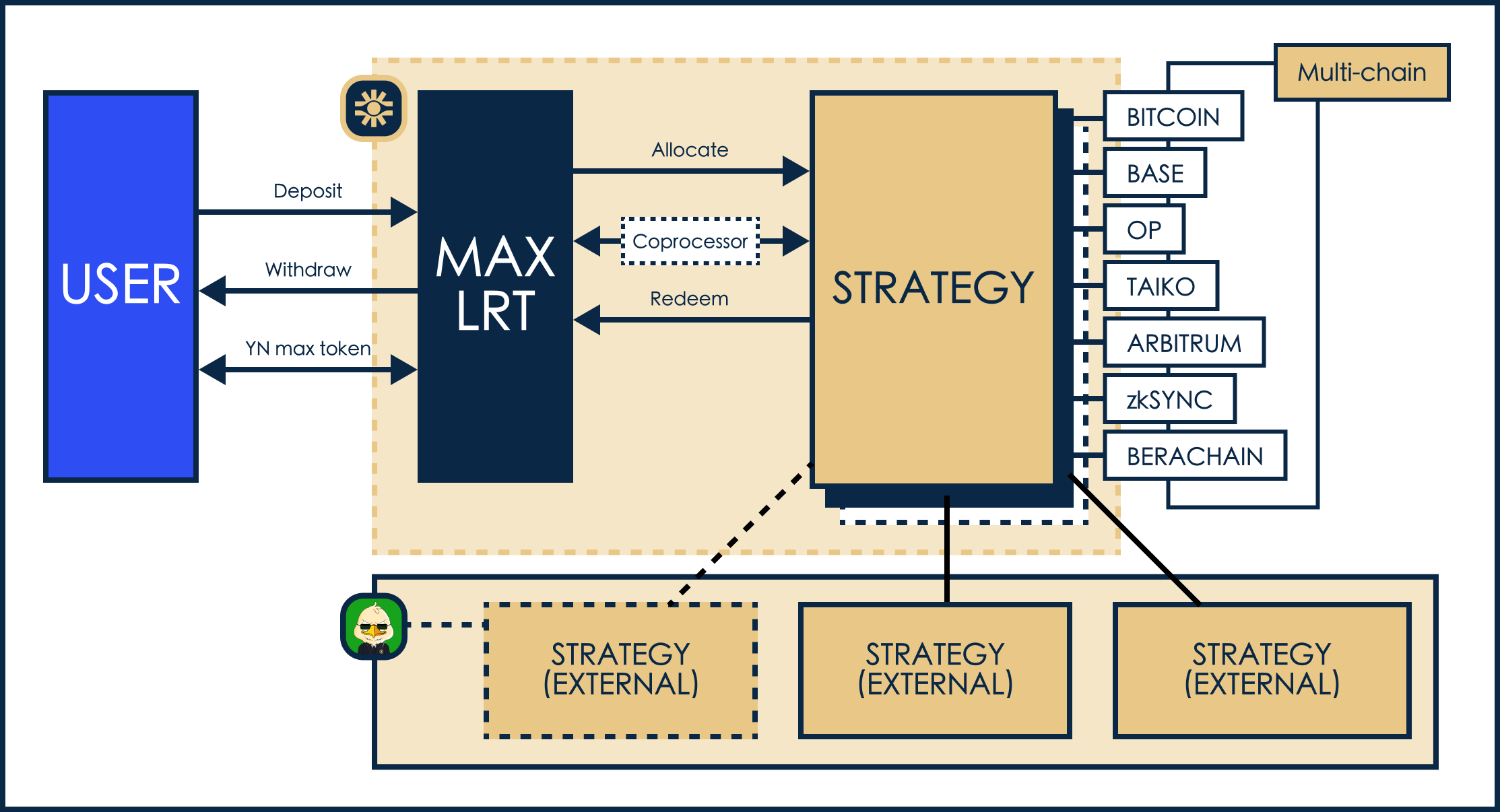
Standard liquid staking (LST) earns base ETH rewards. LRTs take those staked assets and restake them into EigenLayer AVSs to earn additional rewards. This "stacking" creates higher nominal yields but introduces smart contract complexity and slashing risks that do not exist in pure LST protocols.
What are the main risks to LRT yields?
Yields are not guaranteed. The primary risks include slashing events from AVS misbehavior, withdrawal queue delays during network congestion, and impermanent loss if the LRT trades at a discount to its underlying ETH value. Gauntlet’s risk framework highlights external liquidity and withdrawal friction as critical failure points.
Do LRT yields change over time?
Yes. Yields fluctuate based on ETH staking rates, AVS demand, and points programs. Current base yields across major LRTs range from 4% to 6%, but this can shift rapidly as new AVSs launch or points incentives end. Always check the current APY on the protocol’s dashboard rather than relying on historical averages.
Is LRT yield suitable for long-term holding?
LRTs are best for investors comfortable with smart contract risk and active monitoring. If you seek passive, low-risk exposure, standard LSTs or direct ETH holding may be safer. For those seeking higher yield, LRTs require a higher tolerance for volatility and potential capital loss during market stress.
Helpful gear
Use these product recommendations as a starting point, then choose the size, material, and price point that fit how you actually use the gear.

As an Amazon Associate, we may earn from qualifying purchases.
No comments yet. Be the first to share your thoughts!