LRT Yield Budget
The promise of liquid restaking tokens (LRTs) is stacking yield: combining staking rewards with additional incentives from Actively Validated Services (AVSs). In practice, this creates a complex budget that requires balancing price, age, and condition to avoid unexpected losses. Your actual return depends on how these three factors interact during market stress.
Price volatility is the primary risk. LRTs often trade at a discount or premium to their underlying assets, which can erode yield if the token depreciates faster than the rewards accumulate. You must monitor the discount rate closely, as widening spreads often signal rising risk or reduced liquidity. A high yield figure means little if the principal value is simultaneously declining.
Age and condition determine resilience. Newer LRT protocols may offer higher incentives to attract capital, but they lack the stress-testing history of established players. Older protocols with proven track records often have lower, more stable yields. Evaluate the protocol’s maturity and the specific conditions of its integrations—some AVSs pay out consistently, while others may pause rewards during network upgrades or security incidents.
To manage this tradeoff, select tools that provide transparent, real-time data on yield composition and risk metrics. The following products help you track and secure your LRT positions, ensuring you capture yield without exposing yourself to unnecessary hidden risks.


As an Amazon Associate, we may earn from qualifying purchases.
Shortlist real options
Finding a reliable Liquid Restaking Token (LRT) yield strategy requires looking past marketing hype to the underlying mechanics. LRTs combine liquid staking with restaking, allowing assets to earn rewards from multiple Active Validation Services (AVSs) simultaneously [src-serp-2]. This multi-layer structure creates complex yield streams, but it also introduces nested smart contract risks that can erode returns during market stress.
To navigate this landscape, we evaluate tools based on protocol transparency, risk isolation, and actual yield composition. The following comparison highlights the strongest options for 2026, focusing on concrete features rather than abstract promises. We prioritize platforms that disclose their AVS integrations clearly and offer robust risk management frameworks.
Each option serves a different investor profile. YieldNest MAX appeals to those who want to customize their exposure across various AVSs using modular strategies [src-serp-1]. ZeroLend Passive LRT Strategies offer a more conservative approach by combining staking rewards with lending yields, providing a buffer against volatility [src-serp-3].
For investors seeking maximum yield potential, native EigenLayer options provide direct exposure but come with higher smart contract risk. Nest DAO bridges the gap, offering deep integration with established AVSs while maintaining a structured risk framework [src-serp-4]. Always verify the current AVS list and slashing conditions before committing capital, as these parameters change frequently. When selecting an LRT yield strategy, consider your tolerance for smart contract complexity. The most attractive yields often come from the most complex protocols. Start with smaller positions to test the mechanics before scaling up. The tools listed above represent the current leaders in transparency and user experience, but due diligence remains essential.
Inspect the expensive parts
Liquid restaking tokens (LRTs) promise stacked yields, but that complexity introduces specific failure points that can drain capital faster than market volatility. Before allocating capital, you need a practical inspection checklist focused on the expensive risks: smart contract vulnerabilities, slashing events, and protocol-specific liquidity traps.
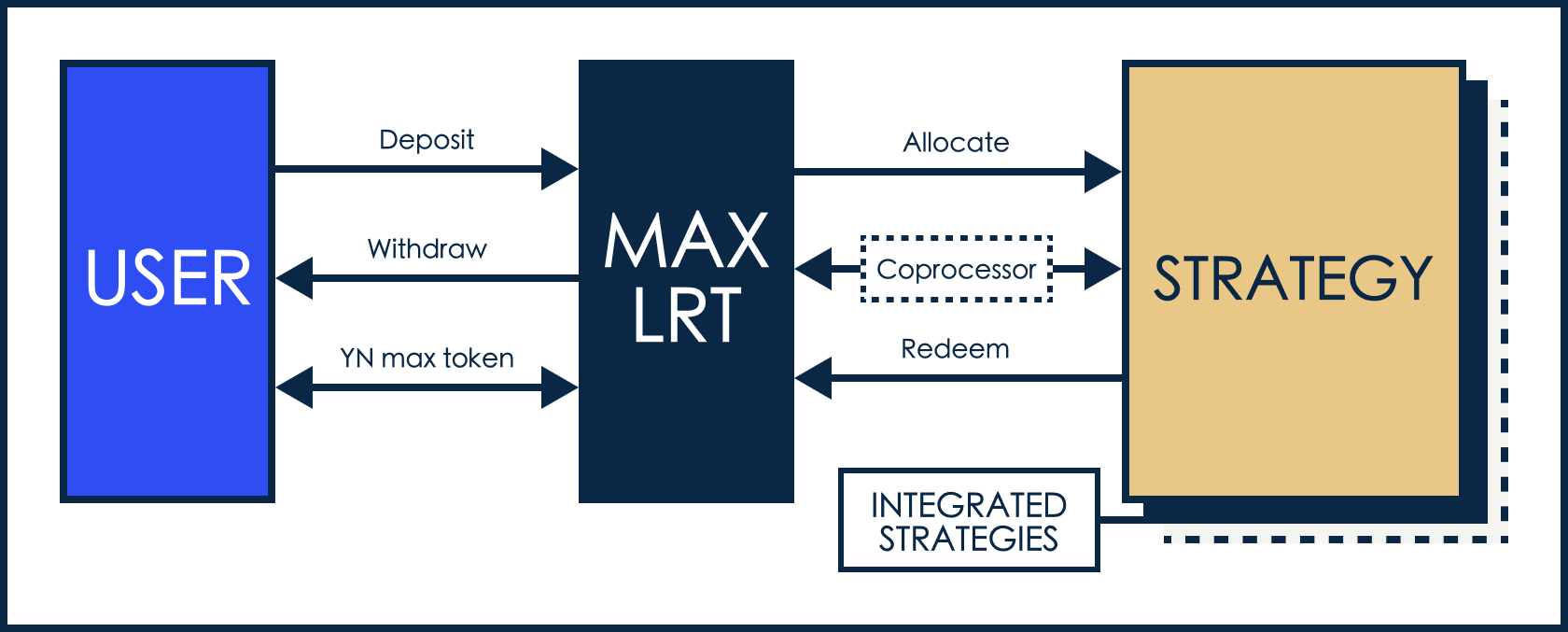
LRTs generate yield by restaking into Active Validator Sets (AVSs). Each AVS integration is a new smart contract surface area. Inspect the audit reports for each AVS the protocol supports. A single unaudited or vulnerable AVS can lead to slashing, where your staked ETH is penalized or slashed. Prioritize protocols that have undergone formal verification for their restaking layer, not just their base staking contract.
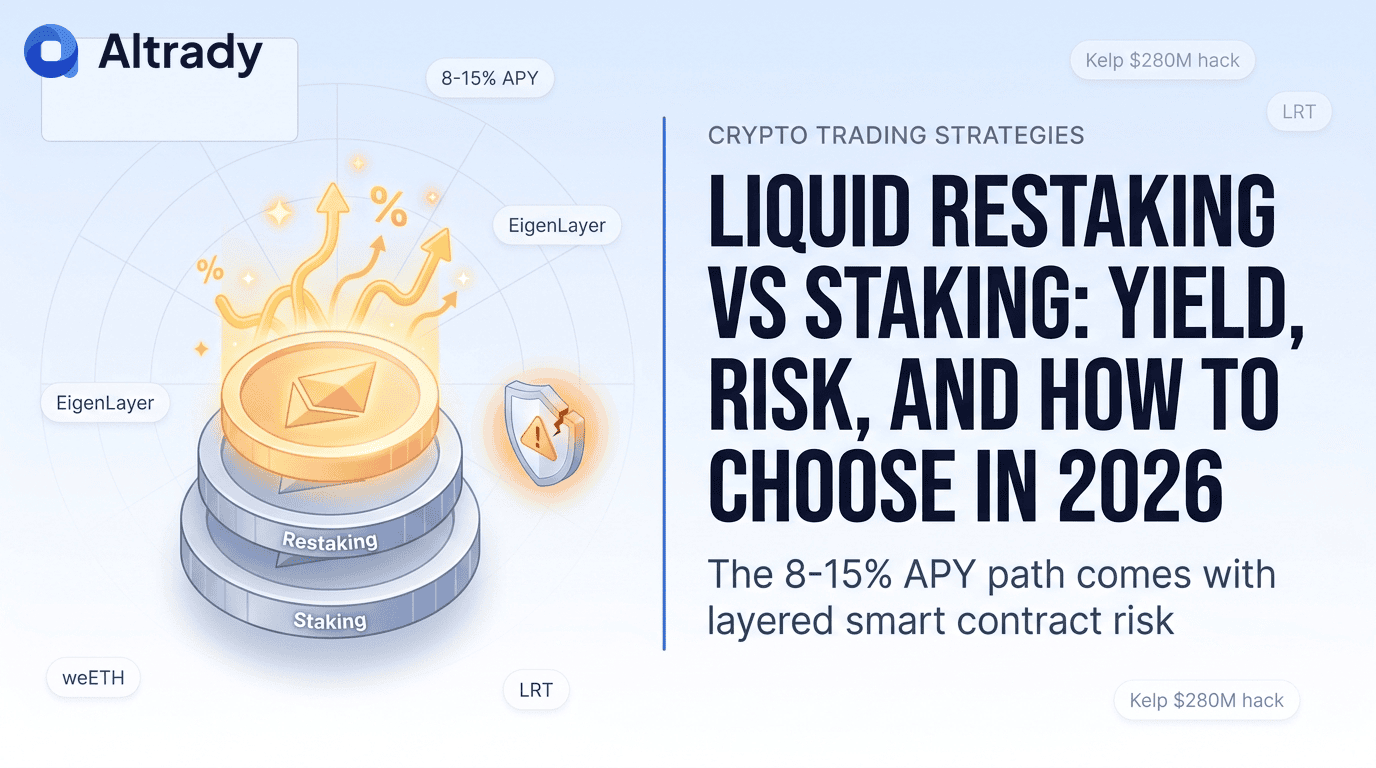
Slashing is the most expensive risk in restaking. If a validator misbehaves, the network penalizes the staker. Check if the protocol has a slashing insurance fund or a mutualized insurance pool. Some LRTs require you to opt-in to slashing protection, which may reduce your yield. Understand the tradeoff: lower yield with protection versus higher yield with full exposure to validator misbehavior.

LRTs are often less liquid than standard LSTs. When you need to exit, you might face significant slippage or a long unbonding period. Inspect the current liquidity pools for your specific LRT. If the pool is shallow, a small sell order could drop the price substantially. Ensure you can exit your position within your desired timeframe without incurring prohibitive transaction costs or price impact.
Yield is not always distributed evenly or transparently. Some protocols take a significant cut of the restaking rewards. Inspect the fee schedule: management fees, performance fees, and any hidden costs associated with rebalancing. Ensure the net yield after fees justifies the additional complexity and risk compared to simpler staking options. Look for protocols that publish clear, real-time yield breakdowns.
Ownership Costs and Maintenance Surprises
A cheap entry price often masks higher long-term costs. With liquid restaking tokens (LRTs), the "buy" price is only the start. You must account for ongoing gas fees, validator maintenance, and the hidden cost of opportunity when capital is locked in complex strategies.
The Real Cost of Ownership
The yield you see advertised is rarely the yield you keep. Protocol fees, validator commissions, and network gas eat into returns. More importantly, LRT strategies often require active management. If your validator goes offline or your restaking configuration drifts, you lose rewards—and potentially face slashing penalties.
When "Cheap" Becomes Expensive
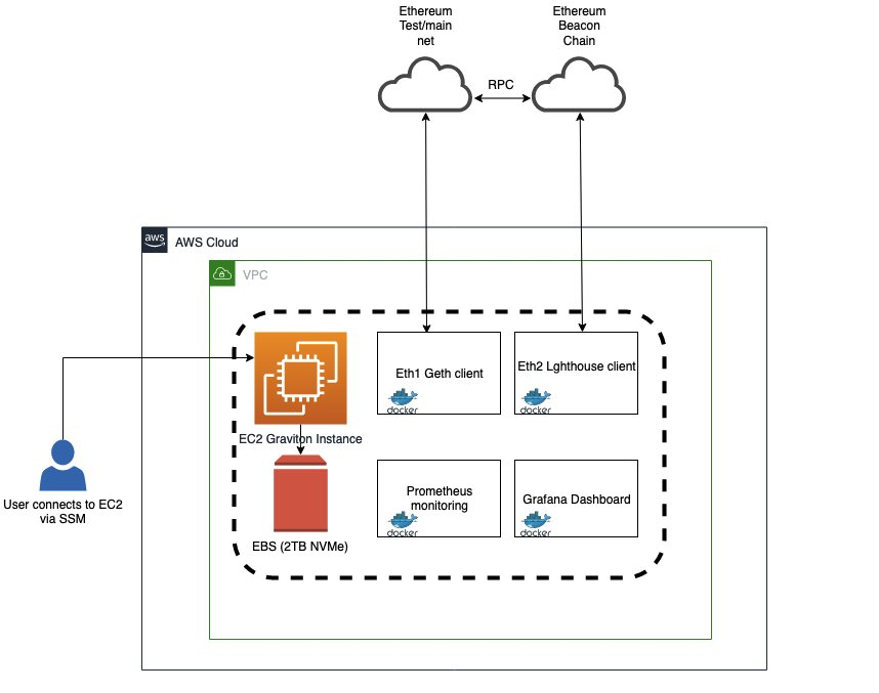
Low-cost tools or unverified LRT platforms often lack robust monitoring. A $100 saving on setup might cost thousands in missed rewards or recovery time. Always factor in the cost of monitoring tools, insurance, and the time required to manage your positions. If you cannot afford to monitor your LRTs, the cheapest option is likely the most expensive over time.


As an Amazon Associate, we may earn from qualifying purchases.
Lrt yield: what to check next
Liquid restaking tokens (LRTs) offer layered yield but come with structural risks that differ from standard staking. Before committing capital, it helps to understand how the yield is generated and what can go wrong.
No comments yet. Be the first to share your thoughts!