Lrt yield analysis limits to account for
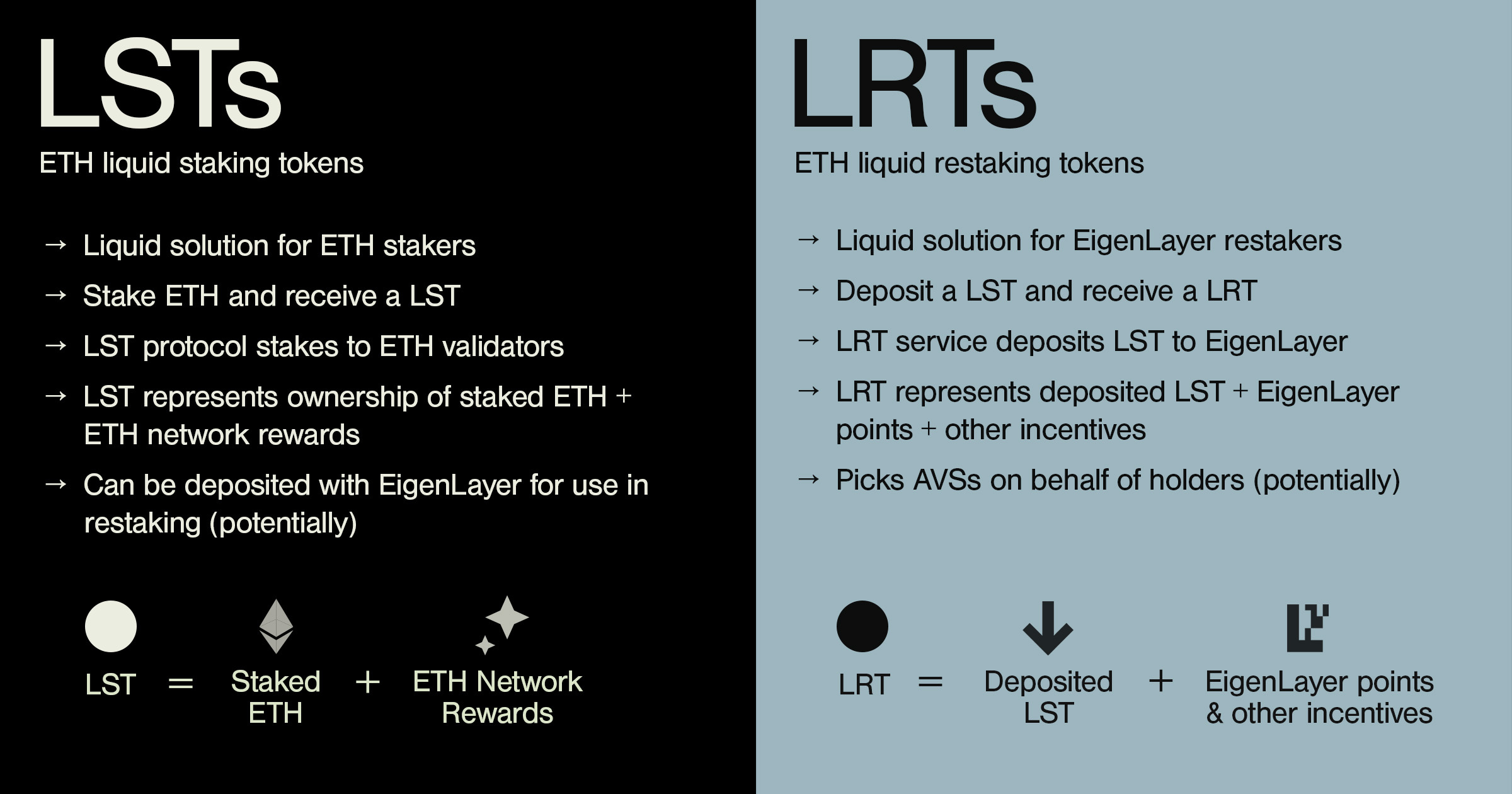
Liquid Restaking Tokens (LRTs) layer additional yield on top of base staking rewards, but this structure introduces specific constraints that complicate yield analysis. While an LST provides the base network's staking rewards, an LRT yields those plus additional rewards from each integrated protocol (the AVSs). This叠加 creates a more complex risk profile that requires careful evaluation beyond simple APY comparisons.
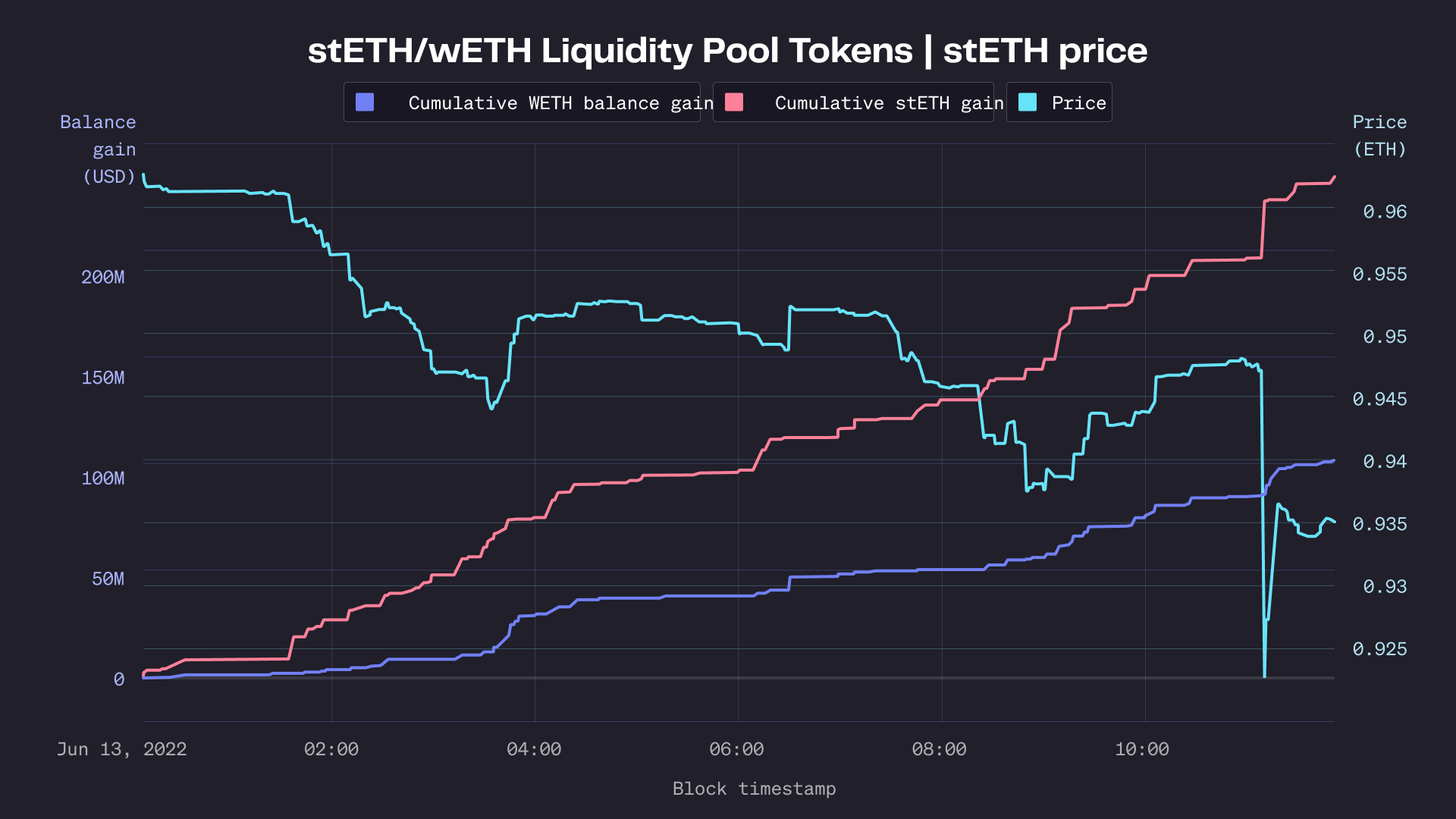
The primary constraint lies in the withdrawal mechanisms and external liquidity. Unlike standard LSTs, LRTs often face longer withdrawal periods or partial unbonding delays when restaked assets need to be returned to the underlying protocol. This illiquidity premium can distort yield calculations during market stress, as the token's price may decouple from its underlying value due to limited trading depth.
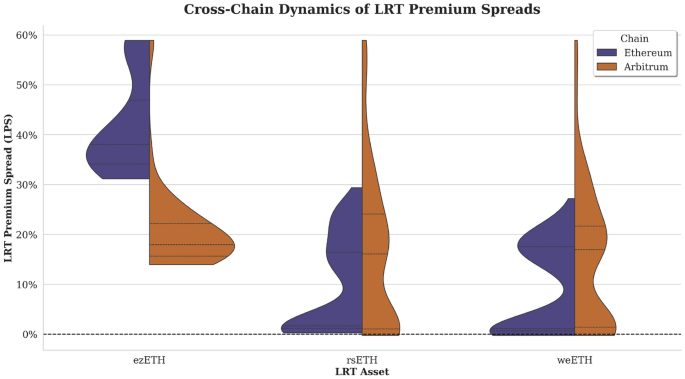
Gauntlet's risk framework highlights four key attributes to monitor: external liquidity, withdrawal constraints, smart contract risk, and protocol dependency. When analyzing LRT yields, you must account for these constraints rather than treating the yield as static. A higher nominal yield often reflects higher illiquidity risk or greater smart contract exposure, not superior performance.
| Feature | LST | LRT |
|---|---|---|
| Base Yield | Network staking rewards | Network + AVS rewards |
| Withdrawal Speed | Standard unbonding | Variable, often delayed |
| Liquidity Risk | Moderate | Higher due to complexity |
| Smart Contract Risk | Single layer | Multiple layers (LST + AVS) |
Lrt yield analysis choices that change the plan
Liquid restaking tokens (LRTs) offer higher yields than standard liquid staking by layering additional rewards from Actively Validated Services (AVSs) on top of base Ethereum staking returns. However, this amplified yield comes with distinct structural risks, primarily centered on withdrawal liquidity and smart contract complexity. Understanding these tradeoffs is essential for determining whether an LRT fits your portfolio strategy.
The core tension in LRT analysis lies in yield vs. liquidity. While LSTs provide immediate, native withdrawal capabilities, LRTs often impose lock-up periods or variable withdrawal times as they allocate staked assets to secondary protocols. This delay can be a critical vulnerability during market downturns or when protocol-specific risks emerge. Gauntlet’s risk framework highlights that external liquidity and withdrawal mechanics are the two most significant differentiators between LRT protocols.
| Feature | Standard LST | Conservative LRT | Aggressive LRT |
|---|---|---|---|
| Yield Source | Base staking rewards | Base + Low-risk AVS | Base + Multi-layer AVS |
| Withdrawal Time | Immediate (native) | Variable (hours/days) | Delayed (days/weeks) |
| Smart Contract Risk | Low | Moderate | High |
| Slashing Exposure | Direct | Shared/Layered | Concentrated/Complex |
For investors prioritizing capital preservation, conservative LRTs that integrate with only one or two well-audited AVSs offer a middle ground. They provide a yield boost without exposing the entire stake to complex, untested protocol layers. In contrast, aggressive LRTs maximize returns by compounding yields across multiple protocols, but they increase the attack surface for smart contract failures and slashing events. The choice between these models depends on your risk tolerance and the specific AVSs involved.
| Feature | LST | Conservative LRT | Aggressive LRT |
|---|---|---|---|
| Yield Source | Base staking rewards | Base + Low-risk AVS | Base + Multi-layer AVS |
| Withdrawal Time | Immediate (native) | Variable (hours/days) | Delayed (days/weeks) |
| Smart Contract Risk | Low | Moderate | High |
| Slashing Exposure | Direct | Shared/Layered | Concentrated/Complex |
Evaluating LRTs requires looking beyond the advertised APR. You must assess the underlying AVSs’ reputation, the LRT protocol’s insurance mechanisms, and the actual liquidity available for withdrawals. A high yield that cannot be accessed when needed is effectively a loss. Use the TechnicalChart below to monitor ETH’s price action, as significant volatility often correlates with increased withdrawal pressure on LRT platforms.
How to Choose an LRT Strategy
Building a sustainable yield strategy requires moving beyond headline APY and focusing on the structural integrity of the protocol. Liquid Restaking Tokens (LRTs) combine base staking rewards with additional yield from Actively Validated Services (AVSs), but this complexity introduces distinct risks. A successful approach prioritizes capital preservation and liquidity over maximum yield.
Evaluate Withdrawal Mechanisms
The most critical risk in LRTs is the ability to exit positions during market stress. Gauntlet’s risk framework highlights external liquidity and withdrawal constraints as primary failure points. Prioritize protocols with deep liquidity pools and transparent withdrawal queues. Avoid tokens where liquidity is locked behind complex, multi-step unbonding processes that could prevent timely exits during volatility.
Assess Smart Contract Risk
LRTs involve multiple layers of smart contracts, increasing the attack surface. Each integration adds potential points of failure. Look for protocols with multiple independent audits, bug bounty programs, and time-tested codebases. The risk is not just about yield; it is about the integrity of the underlying staking assets. Protocols that have undergone rigorous security reviews by top-tier firms offer a higher degree of confidence.
Compare Yield Sources
Not all yield is created equal. Base staking rewards are relatively stable, while AVS rewards can be volatile. Understand the composition of the yield. A protocol offering 15% APY with 80% coming from volatile AVS rewards is significantly riskier than one offering 8% APY with 90% from stable staking rewards. Diversify across protocols with different yield compositions to mitigate exposure to any single source of volatility.
Use Data Tools for Decision Making
Real-time data is essential for managing LRT positions. Use tools that provide live yield tracking, risk metrics, and market data. This allows you to monitor performance and adjust your strategy as conditions change. Avoid making decisions based on static, outdated information. The crypto market moves quickly, and your tools need to keep pace.
Start by assessing your personal risk tolerance. Are you seeking steady, conservative returns, or are you comfortable with higher volatility for potentially higher yields? Your answer will dictate the types of LRTs you should consider.
Dive deep into the protocol’s documentation. Understand the underlying assets, the AVS integrations, and the smart contract architecture. Look for transparency in how rewards are generated and distributed.
Before committing capital, test the withdrawal process if possible. Check the depth of liquidity pools and the speed of withdrawals. Ensure you can exit the position without significant slippage or delays.
Do not put all your assets into a single LRT. Diversify across multiple protocols with different risk profiles and yield sources to spread your exposure and reduce the impact of any single protocol failure.
Use dashboards and alerts to track your positions. Monitor yield changes, protocol updates, and market conditions. Regular reviews allow you to adjust your strategy proactively rather than reactively.
| Feature | Conservative Approach | Aggressive Approach |
|---|---|---|
| Primary Goal | Capital Preservation | Maximized Yield |
| Yield Source | Base Staking Rewards | High AVS Rewards |
| Risk Tolerance | Low | High |
| Monitoring Frequency | Weekly | Daily |
Identifying Weak LRT Options
Not every Liquid Restaking Token (LRT) offers sustainable yield. Many projects promise high returns by stacking rewards, but they often mask significant infrastructure risks or rely on unsustainable token emissions. To avoid these weak options, you need to look beyond the headline APY and examine the underlying mechanics. The core difference lies in how the yield is generated: an LST yields the base network's staking rewards, while an LRT yields those plus additional rewards from integrated protocols, known as Active Validator Services (AVSs).
A common mistake is assuming higher yield always equals better performance. In reality, excessive yield often signals high risk, such as low external liquidity or complex withdrawal mechanisms that can fail during market stress. Gauntlet’s risk framework highlights four critical attributes: external liquidity, withdrawal speed, slashing risk, and protocol complexity. If an LRT scores poorly on these metrics, the yield is likely illusory or temporary.
When evaluating options, prioritize protocols with transparent slashing insurance and robust economic models. Avoid projects that rely heavily on native token inflation to boost yields, as this creates a circular dependency that collapses when token prices drop. Instead, look for LRTs that derive yield from genuine economic activity within the AVS ecosystem. This approach ensures that returns are sustainable even if the broader market cools down.
Use the comparison table below to quickly assess the trade-offs between top LRT options. Focus on liquidity depth and withdrawal flexibility, as these factors determine your ability to exit positions during volatile periods. Remember, the best LRTs balance yield with risk management, not just raw numbers.
Lrt yield analysis: what to check next
Liquid Restaking Tokens (LRTs) sit at the intersection of staking and restaking, offering higher yields but introducing complex risk vectors. Before allocating capital, it is essential to distinguish between the underlying assets and understand the structural risks involved.
Understanding these distinctions helps separate marketing hype from fundamental value. Always verify the risk framework of any LRT protocol before committing capital.
Helpful gear
Use these product recommendations as a starting point, then choose the size, material, and price point that fit how you actually use the gear.



As an Amazon Associate, we may earn from qualifying purchases.
No comments yet. Be the first to share your thoughts!