How LRTs stack yield on ETH
Liquid Restaking Tokens (LRTs) are not just staking derivatives; they are active validators. The yield comes from securing external networks, not just holding ETH.
To understand LRTs, start with Liquid Staking Tokens (LSTs). When you stake ETH directly or via an LST like stETH, you earn the base Ethereum reward rate—roughly 3-4% annually. This is passive income for locking up your capital to secure the main network.
LRTs take that same staked ETH and restake it through EigenLayer. This process assigns your ETH to "Actively Validated Services" (AVSs)—secondary networks that need security but don’t have their own native token economy yet. By providing ETH security to these AVSs, LRT protocols earn additional yield layers on top of the base staking reward.
Think of it like this: LSTs are a savings account. LRTs are that same savings account, but you’re also using the funds to underwrite insurance policies for other financial products. The returns are higher because you’re taking on more active responsibility.
This extra yield layer is what makes LRTs attractive, but it also introduces unique risks. If an AVS fails or a smart contract is exploited, the restaked ETH is on the line. This is why LRT yields are volatile and often significantly higher than standard staking rewards—they compensate for the added complexity and risk.
Top LRT protocols in 2026
The liquid restaking (LRT) landscape has matured significantly, shifting from experimental protocols to established infrastructure with measurable market share. For investors, the decision now comes down to comparing TVL (Total Value Locked), yield composition, and risk profiles across the leading platforms.
The following comparison highlights the primary contenders. These metrics reflect current market data and are subject to change as restaking yields fluctuate with network demand.
| Protocol | TVL Rank | Native Yield Source | Restaking Yield Source | Risk Profile |
|---|---|---|---|---|
| Ether.fi | 1 | ETH Staking | EigenLayer AVS | Moderate |
| Renzo Protocol | 2 | ETH Staking | EigenLayer AVS | Moderate |
| Puffer Finance | 3 | ETH Staking | EigenLayer AVS | Moderate-High |
| Kelp DAO | 4 | ETH Staking | EigenLayer AVS | Moderate |
Ether.fi remains the dominant player in this sector, largely due to its early mover advantage and robust integration with the EigenLayer ecosystem. Its yield is primarily derived from standard ETH staking rewards, supplemented by points and fees from Active Validation Services (AVSs).
Renzo Protocol and Puffer Finance offer similar structures but differentiate themselves through technical approaches to slashing protection and yield optimization. Puffer, for instance, has focused heavily on liquid restaking token (LRT) composability, allowing users to stack yields across multiple layers. Kelp DAO, through its rETH product, provides a simpler, more conservative entry point into restaking.
When evaluating these options, consider that "yield" is not static. It is composed of base staking rewards (relatively stable) and restaking rewards (highly variable based on AVS demand). Protocols with higher TVL often benefit from network effects, but they may also face greater scrutiny regarding smart contract risk.
Evaluating LRT Market Risk
Liquid restaking tokens (LRTs) promise higher yields by combining staking and restaking, but they introduce a complex web of dependencies that can amplify losses. When the market turns, these dependencies don't just slow down; they can trigger cascading failures. Understanding these specific risk vectors is essential before allocating capital to protocols like EtherFi, Renzo, or Puffer.
The most immediate threat in the LRT space is the potential for slashing cascades. Slashing occurs when a validator is penalized for misbehavior or downtime, resulting in the loss of staked ETH. In a restaking environment, a single slashing event at the validator level can propagate through multiple LRT protocols that share the same underlying validators. This creates a domino effect where one protocol's loss triggers margin calls or forced liquidations in others, draining liquidity across the ecosystem. Gauntlet’s risk framework highlights that this correlation is significantly higher in LRTs than in traditional staking, as protocols often overlap in their validator selection to maximize yield.
Smart contract complexity adds another layer of fragility. LRTs are not simple staking contracts; they are intricate systems of vaults, restaking contracts, and token minting mechanisms. Each additional contract introduces new attack surfaces. A vulnerability in a restaking contract or a price oracle can lead to exploits that drain user funds. Unlike simple staking, where the risk is largely tied to the consensus layer, LRT risk is heavily concentrated in the codebase. Audits are necessary but not sufficient; the interconnected nature of these protocols means a bug in one can compromise the integrity of the entire restaking layer.
Liquidity concentration is the third major risk vector. Many LRT protocols rely on centralized liquidity providers or concentrated pools to maintain their token prices. If a significant portion of liquidity is withdrawn during a market downturn, the LRT price can decouple from its underlying value. This decoupling can trigger automated liquidations, forcing users to sell their LRTs at a loss even if the underlying staking rewards are healthy. Protocols with deeper, more diversified liquidity pools are better positioned to withstand these shocks, but investors must scrutinize the liquidity depth of each LRT before investing.
The high-stakes nature of LRTs means that yield is not free; it is compensation for taking on these specific, interconnected risks. Investors should prioritize protocols with transparent risk management frameworks, diversified validator sets, and robust liquidity reserves. Always rely on official research and audit reports rather than yield projections alone.
Tools for tracking LRT performance
Monitoring your LRT positions requires more than just checking a balance; you need real-time visibility into yield accrual, protocol health, and underlying asset performance. Relying on static snapshots can leave you exposed to smart contract risks or yield drops that happen between updates. Using dedicated on-chain analytics tools allows you to make informed decisions rather than reacting to losses after they occur.
Essential On-Chain Analytics
For a bird's-eye view of your portfolio across multiple chains, tools like DeBank or Zapper are indispensable. These dashboards aggregate your LRT holdings, showing not just the token balance but the estimated APY and the underlying assets backing your position. They provide a unified interface to track your exposure to protocols like Lido or Rocket Pool without switching between individual protocol dashboards.
Protocol-Specific Health Checks
While general dashboards show your balance, they rarely reveal the health of the underlying staking mechanism. You must regularly check the official dashboards of the protocols themselves. For instance, monitoring Ethereum's consensus layer performance on sites like Beaconcha.in or Ultrasound Money helps you verify that staking rewards are accruing as expected. If a protocol's validator set is underperforming or if slashing events occur, these tools will flag the issue before it significantly impacts your yield.
Live Price Action and Yield Correlation
LRTs often trade at a discount or premium to their underlying ETH value. Tracking this spread is critical for understanding your true economic exposure. A live chart of the LRT token against ETH, such as the one below for rsETH, helps visualize how market sentiment and protocol performance are interacting. Sudden divergences can signal liquidity issues or changing market perceptions of the protocol's risk profile.
Risk Monitoring and Alerts
Finally, set up alerts for significant on-chain events. Tools like DeFiLlama's protocol pages provide real-time data on Total Value Locked (TVL) and revenue. A sudden drop in TVL can indicate a loss of confidence or a security issue. Combining these data points with your personal analytics tools creates a robust safety net, ensuring you are aware of any anomalies in the yield generation process before they become critical problems.
Building a safe LRT strategy
Constructing a portfolio around Liquid Restaking Tokens (LRTs) requires balancing yield potential against complex smart contract risks. Unlike simple staking, LRTs introduce a secondary layer of protocol risk that can impact both your principal and your rewards. To build a resilient strategy, you need to treat diversification not just as a way to spread yield, but as a mechanism to isolate protocol-specific failures.

Avoid concentrating your capital in a single LRT provider. By splitting assets between major protocols like EigenLayer-native LRTs and other restaking layers, you reduce exposure to a single smart contract vulnerability. If one protocol experiences a bug or exploit, your entire portfolio remains insulated. This approach mirrors traditional finance’s sector diversification, ensuring that a failure in one niche doesn’t wipe out your exposure to liquid restaking.

Liquidity is your primary exit strategy. Before depositing, verify the depth of the liquidity pool for your chosen LRT. Some protocols impose withdrawal queues that can last weeks or even months during periods of high stress. Understanding these mechanics is critical; you need to know exactly how long it takes to convert your LRT back to ETH or stablecoins if you need to exit quickly.

Never skip the due diligence phase. Check if the protocol has undergone audits by reputable firms like Trail of Bits or OpenZeppelin. While an audit doesn’t guarantee security, it significantly reduces the risk of obvious vulnerabilities. Additionally, look for protocols that offer insurance pools or coverage against smart contract failures. This safety net can mitigate losses if something goes wrong, providing a crucial layer of protection for your capital.
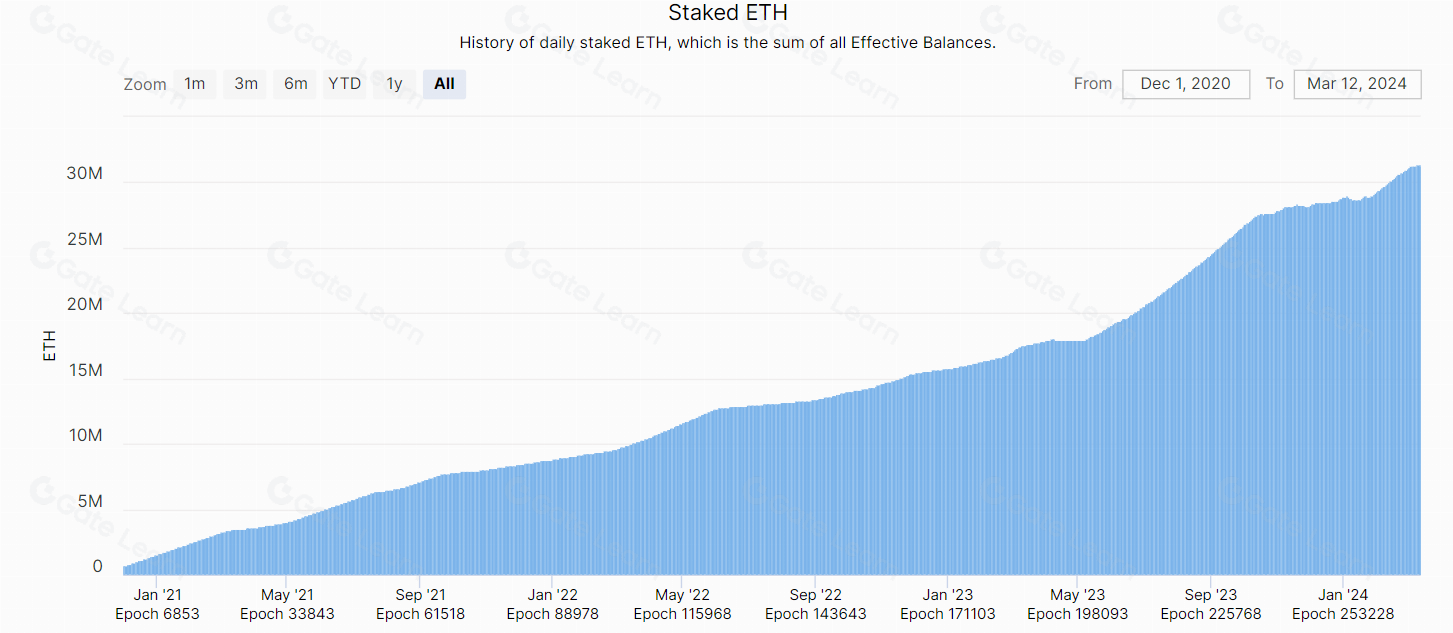
Yield rates change frequently as market conditions shift. Regularly review your portfolio to ensure your risk exposure aligns with your goals. If one protocol’s yield spikes unusually high, it might be signaling higher underlying risk. Rebalancing helps you lock in profits from safer, lower-yield protocols and prevents overexposure to volatile, high-risk assets. Set a schedule—monthly or quarterly—to assess and adjust your holdings.
By following these steps, you can plan around the complexities of LRTs with greater confidence. The goal is not to eliminate risk entirely, but to manage it intelligently through diversification and informed decision-making.
Helpful gear
Use these product recommendations as a starting point, then choose the size, material, and price point that fit how you actually use the gear.



As an Amazon Associate, we may earn from qualifying purchases.
No comments yet. Be the first to share your thoughts!