LRT Yield Analysis: Constraints and Reality
Liquid Restaking Tokens (LRTs) promise higher yields by layering restaking rewards on top of standard staking, but that extra return comes with distinct structural constraints. Unlike Liquid Staking Tokens (LSTs), which simply represent staked ETH and earn base protocol rewards, LRTs delegate that stake to additional protocols known as Actively Validated Services (AVSs). This mechanism generates a composite yield, but it also introduces new vectors for risk that can erode value if not carefully managed.
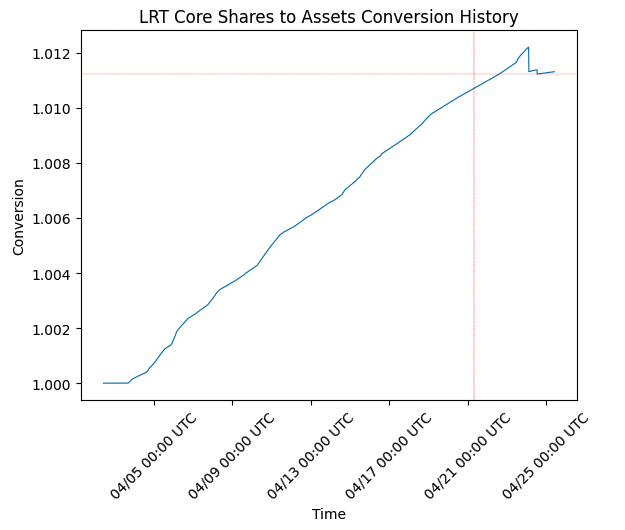
The primary constraint in LRT yield analysis is the divergence between advertised APY and sustainable net yield. Gauntlet’s market risk framework highlights that LRT yields are not static; they fluctuate based on AVS demand, slashing events, and the health of the underlying liquid staking token. When AVS demand drops, the premium yield evaporates, leaving holders with only the base staking rate, often while bearing higher smart contract risk.
Evaluating an LRT requires looking beyond the headline number. You must assess the stability of the AVS revenue stream and the protocol’s exposure to correlated slashing risks. If an LRT aggregates too many AVSs from a single provider, a failure in one service can drag down the entire yield structure. Sustainable returns depend on diversification across independent AVSs and transparent risk management, not just aggressive reward stacking.
LRT Yield Analysis: Key Evaluation Factors
Use this section to make the LRT Yield Analysis decision easier to compare in real life, not just on paper. Start with the reader's actual constraint, then separate must-have requirements from details that are merely nice to have. A practical choice should survive normal use, maintenance, timing, and budget. If a recommendation only works in an ideal situation, call that out plainly and give the reader a fallback path.
| Factor | What to check | Why it matters |
|---|---|---|
| Yield Source | Verify if yield comes from real AVS demand or token emissions. | |
| Slashing Risk | Check the protocol’s insurance fund and slashing history. | Restaking amplifies slashing exposure; lack of insurance can wipe out principal. |
| Liquidity Depth | Assess pool depth on major DEXs and lending markets. | Thin liquidity leads to high slippage during market stress, undermining yield advantages. |
Turn research into a practical decision framework
Selecting a Liquid Restaking Token (LRT) requires moving beyond headline yields. The market is fragmented, and risk profiles vary significantly between protocols. Use the following framework to evaluate options systematically, ensuring your infrastructure choices align with your risk tolerance and return goals.
Start by examining the protocol’s risk framework. Gauntlet’s market risk framework highlights four critical attributes: smart contract risk, economic design, liquidity risk, and correlation risk. Avoid protocols that obscure these details or rely on overly complex, untested economic models. Prioritize projects with transparent, audited risk parameters.
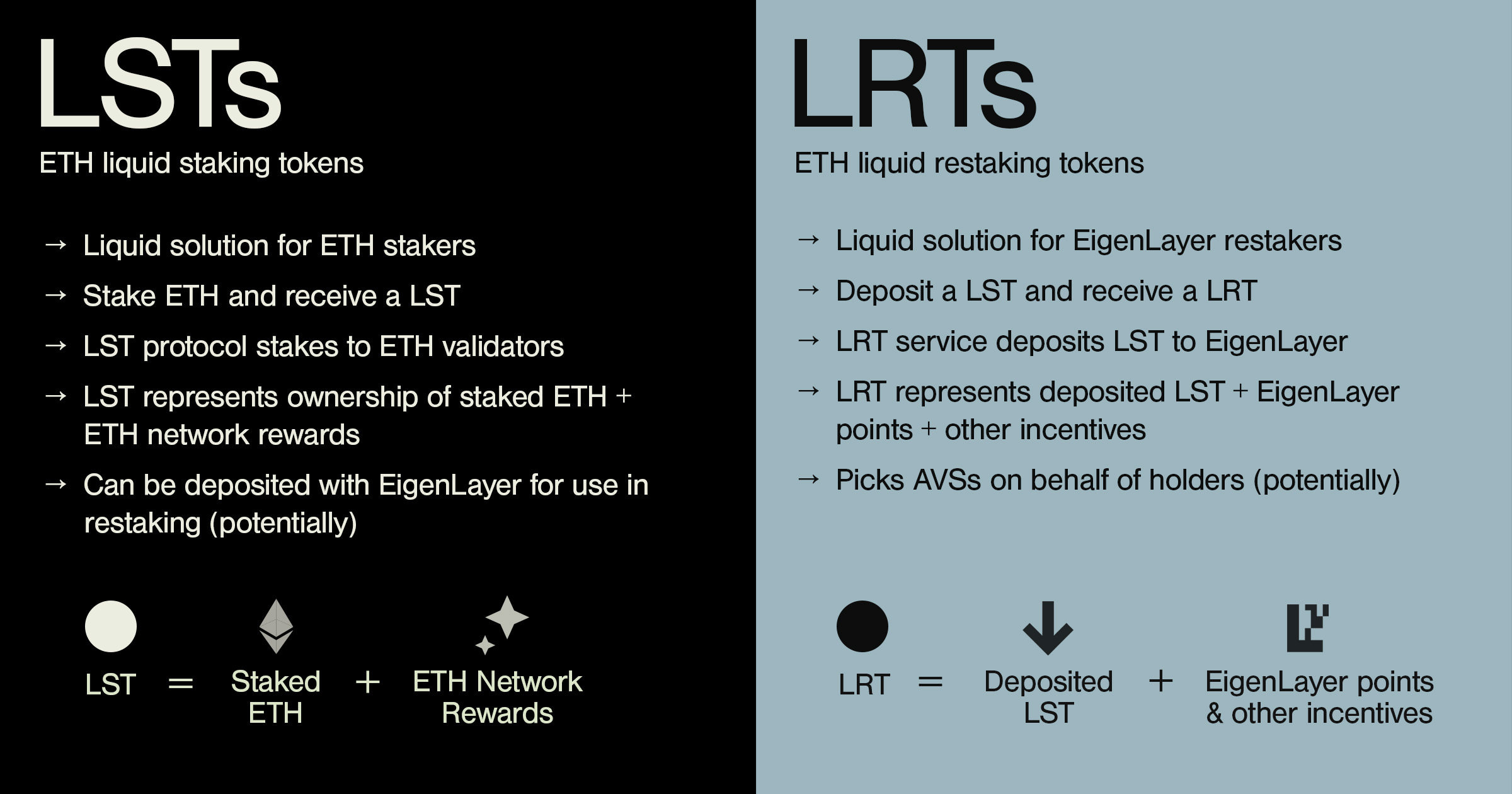
Understand what drives the yield. An LST provides base network staking rewards, while an LRT adds rewards from integrated Active Verification Services (AVSs). Higher yields often come from higher AVS integration complexity. Evaluate whether the additional yield justifies the added smart contract exposure and potential slashing risks associated with multiple protocols.

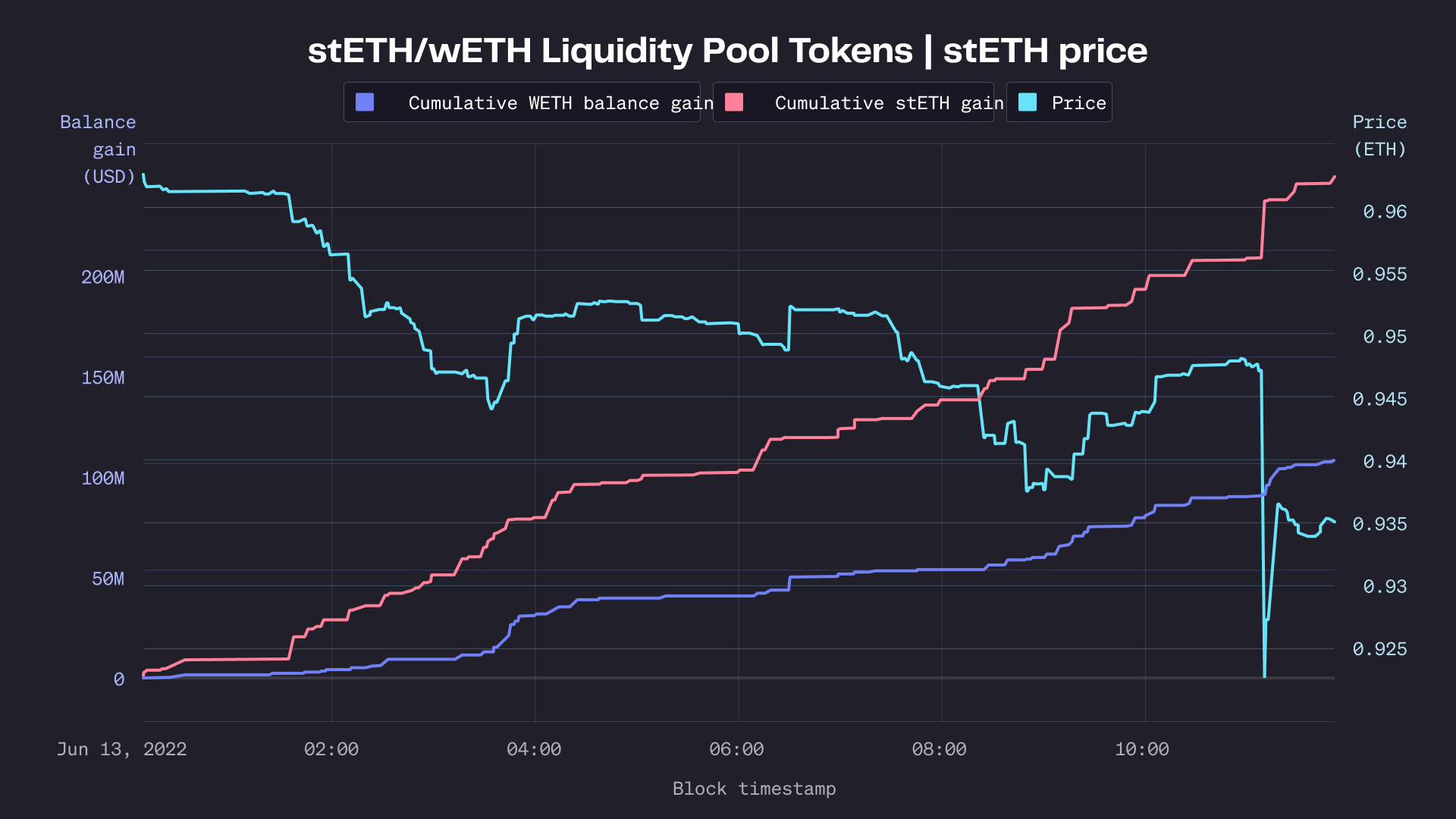
Liquidity is crucial for managing risk. Check the depth of liquidity pools for the LRT against its underlying LST. Thin liquidity can lead to significant slippage during market stress, undermining the yield advantage. Look for protocols with established presence on major decentralized exchanges and deep integration with lending markets.
Review the governance structure and community engagement. Protocols with active, transparent governance are better positioned to respond to emerging threats. Look for clear communication channels, regular security audits, and a history of responsible upgrade processes. Avoid protocols with centralized control or opaque decision-making processes.
Assess how the LRT correlates with broader market movements and other restaking protocols. High correlation can amplify losses during market downturns. Diversify across protocols with different risk profiles and underlying assets to mitigate systemic exposure. Regularly review your allocation to ensure it remains aligned with your long-term strategy.
Watch out for weak LRT yields
Not all liquid restaking tokens offer sustainable returns. The yield gap between strong and weak LRTs often hides significant risk or unsustainable tokenomics. Before committing capital, you need to look past the headline APY and examine the underlying mechanics.
1. Verify the yield source
A common mistake is assuming yield equals safety. Gauntlet’s risk framework highlights that yield must come from verifiable economic activity, such as real AVS (Actively Validated Service) demand, not just token emissions. If an LRT’s yield is primarily driven by inflationary rewards, it is likely to decay as supply increases. Check if the protocol publishes transparent data on where the extra yield comes from.
2. Check the slashing exposure
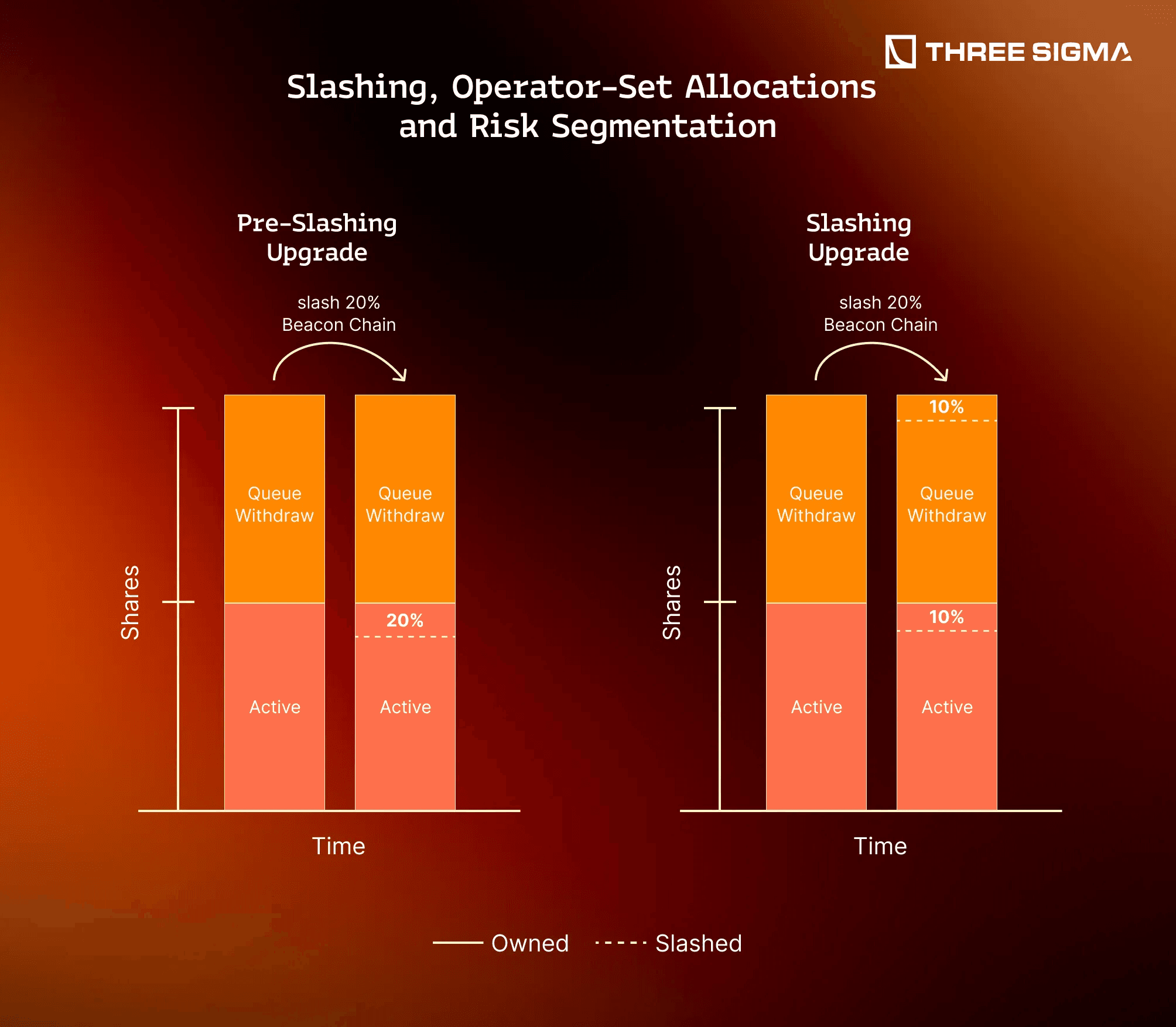
Restaking amplifies rewards but also amplifies risks. When you stake through an LRT, you are often exposing your assets to slashing conditions across multiple protocols. Weak options may obscure their slashing history or lack adequate insurance mechanisms. Ensure the protocol has a clear, tested protocol for handling validator misbehavior. Without this, a single bad actor can wipe out a portion of your stake.
3. Assess the operator network
The quality of the underlying validators matters more than the token price. Strong LRTs curate a diverse, high-performing operator network. Weak options may rely on a few large operators or lack transparency into their staking distribution. Look for protocols that provide real-time monitoring of operator performance and have a track record of minimizing downtime.
4. Evaluate the liquid staking derivative (LSD) layer
Many LRTs are built on top of existing LSTs. If the base LST is weak, the LRT inherits those flaws. Understand the relationship between the LRT and its underlying LSD. Some protocols take a large cut of the base yield, which can make the net return uncompetitive compared to direct staking. Compare the net APY after all fees to ensure you are not paying for unnecessary complexity.
LRT Yield Analysis: What to Check Next
These distinctions matter because LRTs are not just simple yield products. They are complex financial instruments that layer multiple risk vectors. Understanding the difference between LST and LRT helps you evaluate whether the extra yield justifies the additional complexity and potential exposure to slashing events.
No comments yet. Be the first to share your thoughts!