What drives LRT yield today
Liquid Restaking Tokens (LRTs) generate returns through a layered structure that combines base staking rewards with additional yields from restaking protocols. Understanding this composition is essential for evaluating the true risk-adjusted return of these assets.
The foundation of any LRT yield is the base staking reward earned by the underlying Ethereum validator. This return reflects the network's consensus mechanism and is generally considered the most stable component of the yield. It provides the baseline security and economic participation in the Ethereum network.
Beyond base staking, LRTs integrate with Actively Validated Services (AVSs) to generate additional revenue. As noted in industry analyses, LRTs "stack" rewards from multiple integrated protocols, creating a composite yield that exceeds standard staking returns [src-serp-3]. This additional yield comes from providing security services to other blockchain networks or applications.
The total yield of an LRT is therefore the sum of these two components: base staking rewards plus AVS-specific yields. This structure allows investors to earn from both the core Ethereum network and the broader ecosystem of restaking services.
How infrastructure shifts change returns
The yield potential of Liquid Restaking Tokens (LRTs) is no longer static. It is directly tied to the underlying infrastructure’s ability to process load and distribute rewards. As protocols integrate Actively Validated Services (AVS) and manage network congestion, the mechanics of yield generation become more complex, altering both the total return and the associated volatility.
Protocol upgrades are the first lever. When a restaking protocol upgrades its smart contract architecture or introduces new slashing conditions, it changes the risk profile of the staked capital. These changes can immediately impact the net yield available to LRT holders. For instance, stricter validation requirements may reduce the number of eligible validators, potentially concentrating rewards among fewer participants but increasing the risk of individual slashing events. Conversely, optimizations that reduce gas costs or improve throughput can lower operational friction, allowing more of the gross yield to reach the token holder. These shifts are not abstract; they are immediate adjustments to the yield-generating mechanisms that power LRT strategies [[src-serp-2]].
The integration of AVS introduces a multi-layer yield structure. LRTs combine base staking rewards with additional returns from these specialized services, creating a dual revenue stream that mirrors structured credit markets in traditional finance [[src-serp-8]]. However, this integration also adds complexity. Each AVS has its own set of requirements, rewards, and risks. If an AVS experiences technical issues or regulatory scrutiny, the yield from that specific stream can drop or disappear. This means LRT yield is not just a function of ETH staking rates but also of the health and performance of the entire AVS ecosystem. The more AVSs an LRT integrates, the higher the potential yield, but also the higher the exposure to systemic infrastructure risks.
Network congestion plays a subtle but significant role. During periods of high demand, transaction fees (gas) on the underlying blockchain can spike. For LRT protocols that rely on frequent rebalancing or reward claiming transactions, these costs can erode net yields. Also, congestion can delay the settlement of AVS rewards, creating timing mismatches in cash flow. This is particularly relevant for LRTs that promise consistent daily yields, as they may need to front-load rewards to maintain stability during periods of delayed network settlement. Understanding these infrastructure dynamics is essential for evaluating whether the current yield is sustainable or if it is being propped up by temporary network inefficiencies.
Comparing major LRT yield strategies
Liquid Restaking Tokens (LRTs) are not a monolith. While they all aim to unlock capital efficiency from staked assets, the mechanics behind their yield generation vary significantly. Understanding these structural differences is essential for managing risk in a high-stakes environment.
Yield strategies generally fall into two categories: passive and active. Passive strategies rely on native staking rewards and basic lending markets, offering lower volatility but also lower returns. Active strategies involve complex vectoring of yield sources, often across multiple chains, to maximize APY but introducing smart contract and composability risks.
The following table compares three prominent LRT protocols based on their primary yield sources, risk profiles, and supported networks. This comparison highlights the trade-offs between simplicity and yield optimization.
| Protocol | Primary Strategy | Yield Source | Risk Profile | Supported Networks |
|---|---|---|---|---|
| EigenLayer (EIGEN) | Active Restaking | AVS Slashing Rewards + Ethereum Staking | High (Smart Contract + Slashing) | Ethereum |
| Renzo (REZ) | Multi-Chain Optimization | Ethereum Staking + Layer 2 Incentives | Medium-High (Cross-Chain Bridge Risk) | Ethereum, Arbitrum, zkSync |
| Zerolend LRT | Passive Lending | Lending Market Interest + Staking Rewards | Medium (Lending Protocol Risk) | Multi-Chain (Ethereum, Solana, etc.) |
The choice between these strategies depends on your tolerance for complexity. EigenLayer offers the highest potential yield through Active Validation Services (AVSs), but it requires a deep understanding of slashing conditions and smart contract risks. Renzo provides a middle ground by optimizing yield across Layer 2 networks, though it introduces bridge risks. Zerolend’s approach is more conservative, focusing on passive lending markets to generate steady, albeit lower, returns.
As noted in official documentation, passive LRT strategies support a wide range of assets across multiple networks, offering a more stable entry point for those less familiar with the intricacies of restaking [[src-serp-4]]. Conversely, platforms like Yield Layer consolidate multiple strategies into a single vector, allowing for 1-click access to diverse yield sources, which simplifies the user experience but may obscure the underlying risk mechanics [[src-serp-1]].
When evaluating these options, consider the source of the yield. Is it coming from native staking, which is relatively predictable, or from complex DeFi composability, which can be volatile? The infrastructure supporting these tokens also matters. Protocols operating on a single chain may have lower operational complexity, while multi-chain solutions offer diversification but require more robust security audits across different ecosystems [[src-serp-6]].
Ultimately, there is no single "best" strategy. The right choice depends on your specific risk appetite and your understanding of the underlying protocols. Always conduct your own due diligence and consider the long-term sustainability of the yield sources before committing capital.
Risk factors in liquid restaking
LRT Yield works best as a clear sequence: define the constraint, compare the realistic options, test the tradeoff, and choose the path with the fewest hidden costs. That order keeps the advice usable instead of decorative. After each step, pause long enough to check whether the recommendation still fits the reader's actual situation. If it depends on perfect timing, unusual access, or a best-case budget, include a simpler fallback.
The simplest way to use this section is to write down the real constraint first, compare each option against it, and choose the path that still works outside ideal conditions.
Building a risk-adjusted LRT portfolio
Constructing a portfolio of Liquid Restaking Tokens (LRTs) requires shifting focus from headline APY to the mechanics of yield generation. High returns often mask fragile infrastructure or excessive concentration risk. By treating LRT strategies as distinct financial instruments rather than simple savings accounts, you can balance yield potential with the realities of validator performance and smart contract exposure.
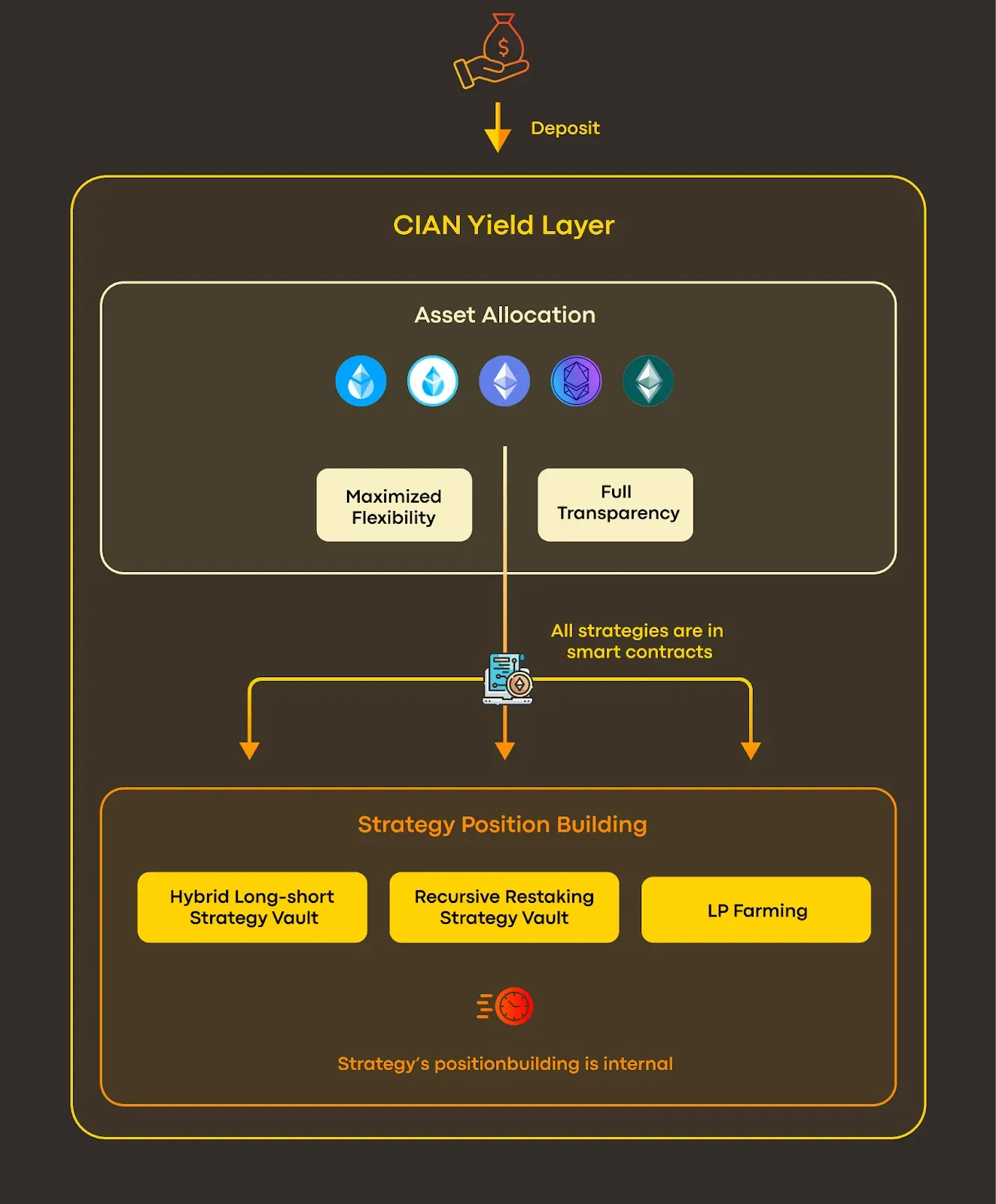
LRT yields are not monolithic. They typically stem from a mix of restaking points, network incentives, and trading fees. Review the protocol’s documentation to distinguish between sustainable yield (e.g., real economic activity) and inflationary emissions. If the majority of yield comes from token emissions, the position is highly vulnerable to token price depreciation.

Your exposure is tied to the operators running the nodes. Diversify across multiple operators with different track records and fee structures. Check if the protocol has slashing insurance or a risk fund. If a single operator controls a significant portion of the protocol’s stake, a technical failure could impact your entire position.

LRTs are often used as collateral, which creates a complex web of dependencies. Ensure you understand the lock-up periods and whether the token is accepted as collateral on major lending platforms. Thin liquidity can lead to significant slippage when exiting, especially during market stress. Always have an exit plan that accounts for potential market dislocations.
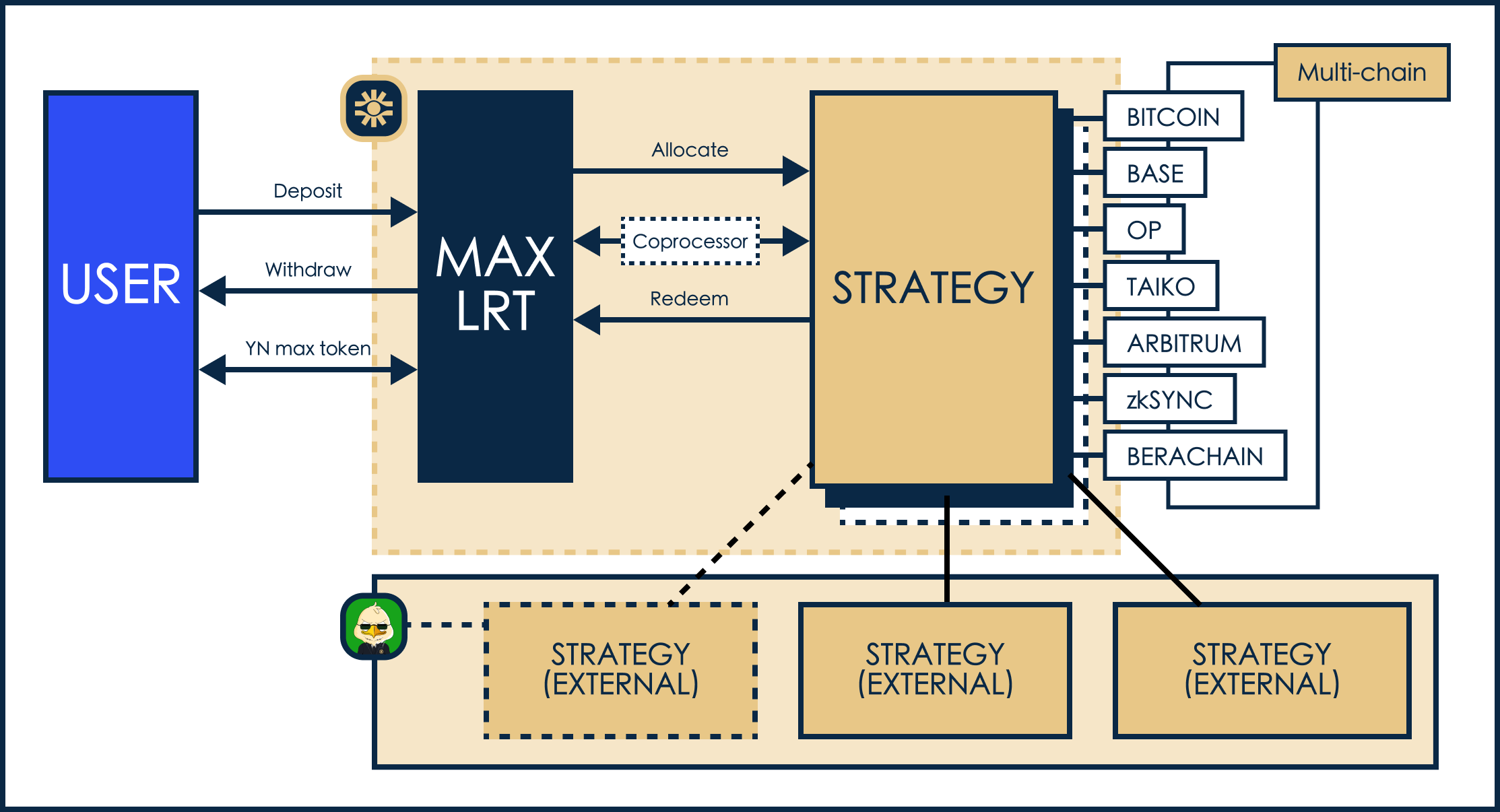
Do not concentrate your stake in a single LRT protocol or blockchain network. Spread your exposure across different restaking ecosystems (e.g., EigenLayer, Ether.fi) and varying risk profiles. This mitigates the impact of a protocol-specific bug or a network-wide issue.
Before committing capital, use this checklist to evaluate any LRT protocol:
-
Audit Status: Are all smart contracts audited by reputable firms? Have all critical vulnerabilities been addressed?
-
TVL and Concentration: Is the Total Value Locked (TVL) growing organically? Is any single entity controlling more than 20% of the stake?
-
Yield Sustainability: Is the yield backed by real economic activity or primarily token emissions?
-
Slashing Protection: Does the protocol have a mechanism to cover slashing losses?
-
Exit Liquidity: Is there sufficient liquidity on DEXs or centralized exchanges to exit your position without significant slippage?
No comments yet. Be the first to share your thoughts!