What liquid restaking actually yields
Liquid Restaking Tokens (LRTs) are often misunderstood as simply "more yield" than standard staking. To understand the mechanics, it helps to view an LRT as a layered structure. An LST (Liquid Staking Token) captures the base network’s staking rewards. An LRT takes that already-staked asset and restakes it to secure additional protocols, known as Actively Validated Services (AVSs) on EigenLayer.
This dual-revenue mechanism is the core driver of LRT yield analysis. The total return consists of two distinct parts: the base staking reward from the underlying blockchain (like Ethereum) plus the additional yield generated from securing AVSs. Because each LRT provider integrates with a unique combination of AVSs, the risk and yield profiles differ significantly across the market [src-serp-3].
This structure means LRTs are not a monolith. While an LST provides a single income stream, an LRT’s yield is composite. It combines the baseline security premium with the variable rewards from the AVS layer. This complexity requires careful analysis, as the additional yield comes with the added responsibility of managing restaking risks [src-serp-2].
The yield you see in an LRT is effectively the sum of network security and specialized service security. Understanding this split is essential before allocating capital, as the AVS layer introduces new variables that do not exist in simple liquid staking.
Comparing LRT protocols and strategies
Liquid restaking tokens (LRTs) are not a monolith. Each protocol constructs a unique portfolio of restaked assets and Active Validator Services (AVSs), resulting in distinct yield sources and risk profiles. Understanding these structural differences is essential for aligning your LRT yield analysis with your risk tolerance.
Some protocols prioritize base Ethereum staking yields with minimal overhead, while others layer in higher-risk AVS rewards to boost returns. These choices directly impact the sustainability of the yield and the complexity of the smart contract exposure.
To visualize these tradeoffs, we compare four major LRT protocols across their core operational metrics. This comparison highlights how fee structures and risk levels vary significantly even within the same ecosystem.
| Protocol | Base Yield Source | AVS Exposure | Protocol Fees | Smart Contract Risk |
|---|---|---|---|---|
| Ether.fi | ETH Staking + Liquid Staking Tokens | High (Multiple AVSs) | Variable (Performance-based) | Medium-High |
| Renzo | ETH + rETH | Medium | Fixed + Variable | Medium |
| Puffer | ETH + PufETH | Low (Conservative AVS selection) | Fixed Fee | Low-Medium |
| Karak | ETH + KARA | High (Specialized AVSs) | Variable | High |
The table above illustrates that higher AVS exposure generally correlates with higher potential yield but also increases smart contract risk. Protocols like Puffer adopt a more conservative approach, while others like Ether.fi and Karak actively pursue diverse AVS partnerships to maximize returns. Your LRT yield analysis should weigh these factors against your comfort with smart contract complexity and potential slashing risks.
Hidden Risks in LRT Yield Models
Yield in liquid restaking is not free money; it is compensation for layered risk. When you stake ETH, you secure the base network. When you restake via a Liquid Restaking Token (LRT), you add a second layer of security commitments. This amplification creates specific failure modes that standard staking does not face. Understanding these structural vulnerabilities is essential before allocating capital.
The most immediate threat is slashing. If an LRT operator misbehaves or goes offline, your underlying ETH can be penalized. Because LRTs often aggregate stakes across multiple operators, a single failure can trigger cascading penalties across the protocol. Gauntlet’s framework highlights that external liquidity is the primary buffer against this risk. If an LRT lacks sufficient liquid assets to cover potential slashing events, the protocol may be forced to dilute holders or freeze withdrawals.
Liquidity fragmentation introduces another layer of complexity. Many LRTs rely on withdrawal queues to manage redemptions, especially during market stress. These queues can delay access to your funds for days or weeks. While this mechanism protects the protocol from immediate insolvency, it locks your capital when you might need it most. The yield you earn is often offset by the illiquidity premium you are forced to accept.
Smart contract complexity further compounds these risks. LRT protocols involve multiple contracts: staking wrappers, restaking interfaces, and yield distribution mechanisms. Each additional contract increases the attack surface for exploits. Gauntlet emphasizes that code risk is not static; as protocols upgrade to add features, they introduce new potential vectors for failure. Audits are necessary but not sufficient, as they often cover only specific code segments rather than the entire economic model.
Comparing LRTs requires looking beyond the advertised APY. You are trading off yield for exposure to slashing, illiquidity, and code risk. The most robust LRTs are those that maintain deep external liquidity reserves and transparent withdrawal mechanisms, even if their yields appear modest compared to riskier alternatives.
LRT performance against Ethereum trends
To understand LRT yield analysis, you have to look at the macro picture. Liquid Restaking Tokens don't exist in a vacuum; their performance is tightly coupled with the broader Ethereum staking ecosystem. When ETH staking yields shift, LRTs often amplify those movements, offering higher potential returns but also introducing distinct risk layers.
The relationship between LRTs and native ETH staking is like a leveraged bet on the base layer. While ETH staking provides a steady, predictable baseline, LRTs add extra yield through restaking protocols like EigenLayer. This means LRT performance isn't just about ETH price or staking APR—it's also about the health and adoption of the restaking infrastructure itself.
Tracking the correlation between LRT tokens and ETH reveals how well these strategies capture yield during different market cycles. During bull markets, LRTs often outperform due to additional restaking rewards. However, during periods of network stress or protocol downtime, the complexity of LRT structures can lead to higher volatility compared to simple ETH staking.
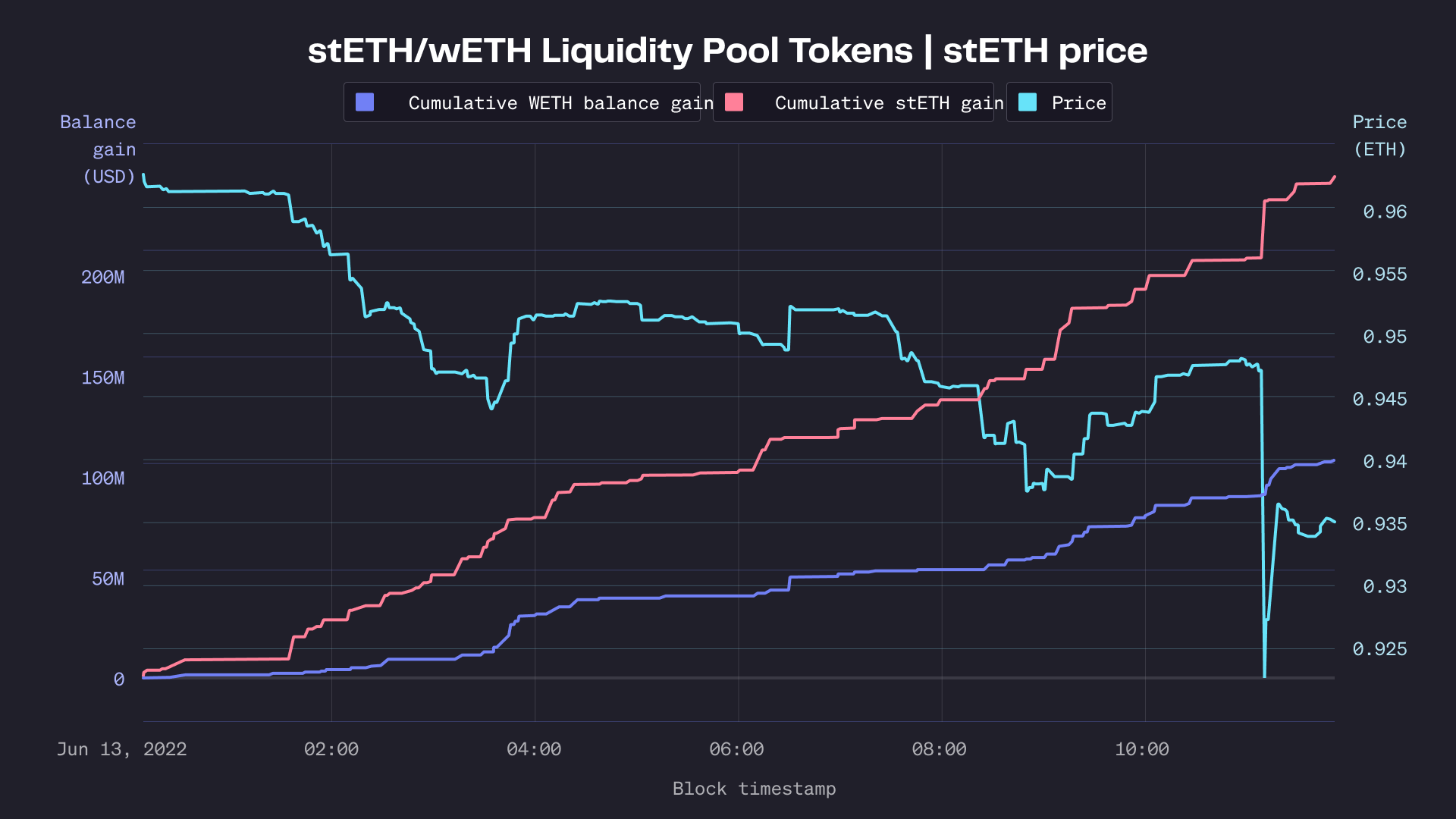
The image above, sourced from Gauntlet’s risk framework, illustrates how LRT market dynamics interact with broader Ethereum staking trends. It highlights the structural risks that can decouple LRT yields from simple ETH staking rewards, emphasizing the need for careful monitoring of both base layer and restaking layer health.
Understanding this correlation helps investors decide whether the extra yield from LRTs justifies the added complexity. It’s not just about chasing the highest APR; it’s about understanding the underlying mechanics that drive those numbers and how they respond to Ethereum’s evolving landscape.
Choose an LRT strategy for your portfolio
Selecting a Liquid Restaking Token (LRT) strategy requires aligning your yield targets with your risk tolerance. Not all LRTs are created equal; they differ significantly in how they handle liquidity, withdrawal speeds, and exposure to slashing events. Understanding these structural differences is the only way to avoid unexpected drawdowns.
The Gauntlet framework breaks down LRT risk into four key attributes: external liquidity, withdrawal mechanisms, composability, and slashing risk. By evaluating protocols against these dimensions, you can filter out strategies that don't fit your specific financial goals. For instance, a protocol with deep liquidity but high composability risk might suit a short-term trader, while a simpler, non-composable LRT may be better for long-term holders seeking stability.
Below is a step-by-step guide to evaluating your options. Each step focuses on a critical component of the LRT ecosystem, helping you build a diversified and resilient portfolio.
Liquidity depth determines how easily you can exit a position without significant slippage. High liquidity ensures that your LRT can be swapped for ETH or stablecoins quickly, even during market volatility. Check the total value locked (TVL) in the LRT's primary liquidity pools. If the pool is shallow, large sell orders could crash the price, eroding your yield gains. Prioritize protocols with deep, multi-source liquidity to minimize exit risk.
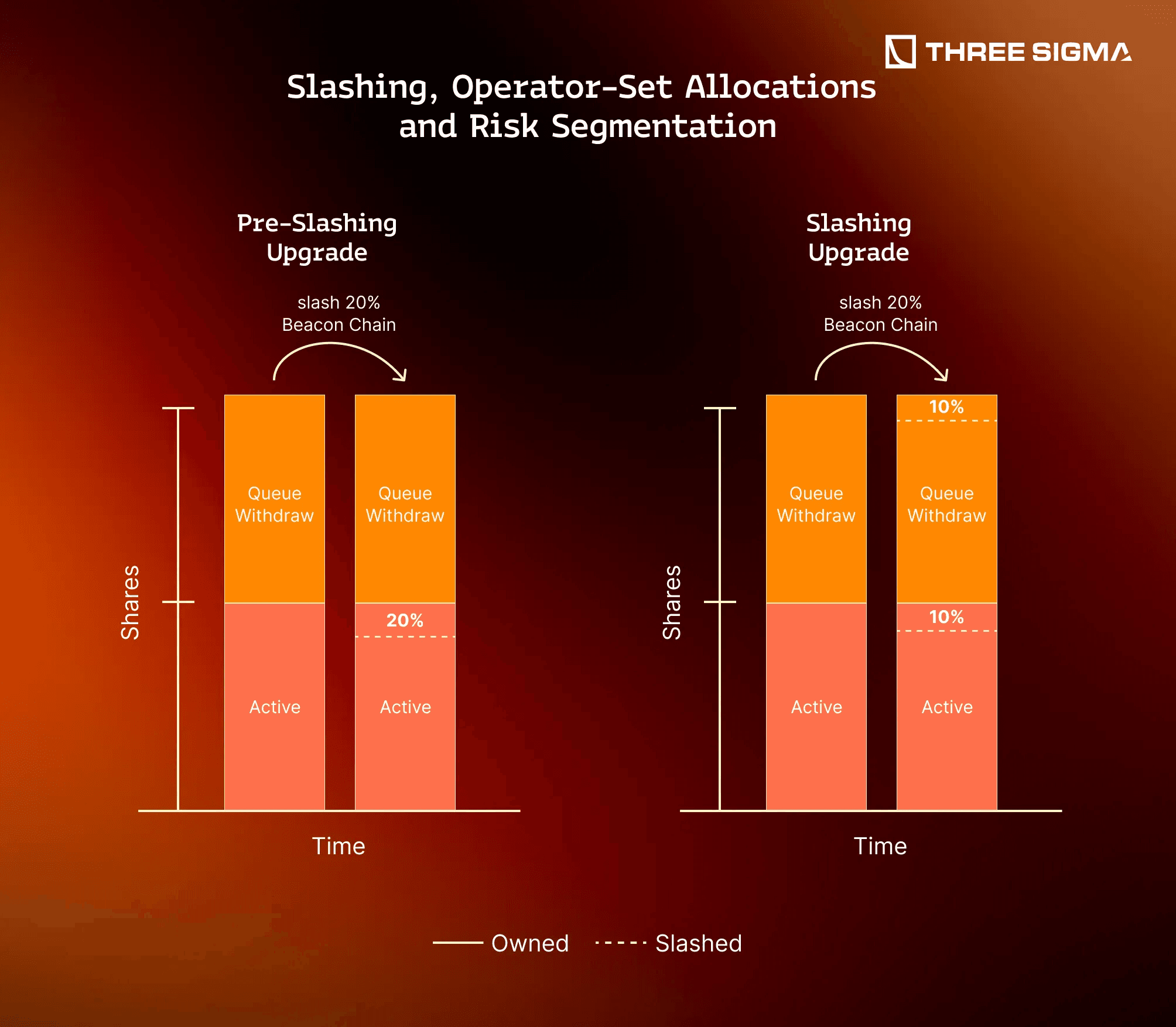
Withdrawal speed varies widely across LRT protocols. Some offer instant withdrawals through secondary markets, while others require waiting for EigenLayer or Ethereum consensus layer epochs. If you need access to your capital during a market dip, instant or near-instant withdrawal options are essential. Review the protocol's documentation to understand any queue systems or time locks. Faster withdrawals often come with a slight yield penalty, so balance this against your liquidity needs.

Slashing risk is the potential loss of staked capital if a validator operator misbehaves. Re-staking amplifies this risk because your assets are exposed to multiple operators and layers. Look for protocols that offer slashing insurance or have robust operator vetting processes. Some LRTs use a diversified operator set to spread risk, while others rely on a single trusted entity. Understanding the slashing mitigation strategy is crucial for protecting your principal.
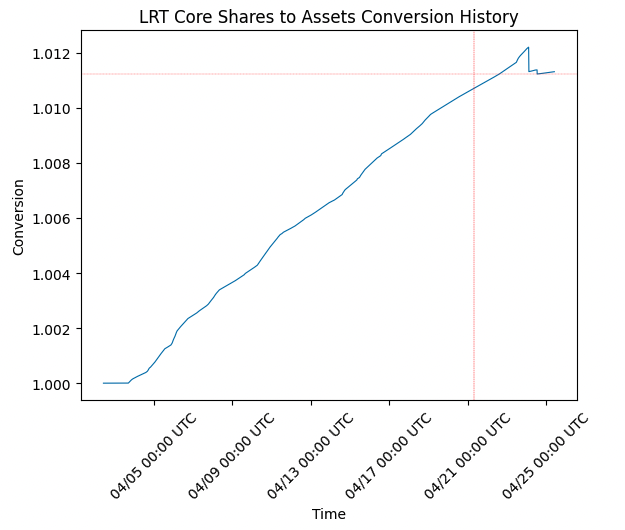
Fees directly impact your net yield. Protocols charge management fees, performance fees, or both. Some also have hidden costs like bridge fees or gas inefficiencies. Compare the total cost of ownership across different LRTs. A protocol with a higher gross yield but steep fees may underperform a simpler, lower-fee alternative. Always calculate the net APY after all deductions to make an informed comparison.
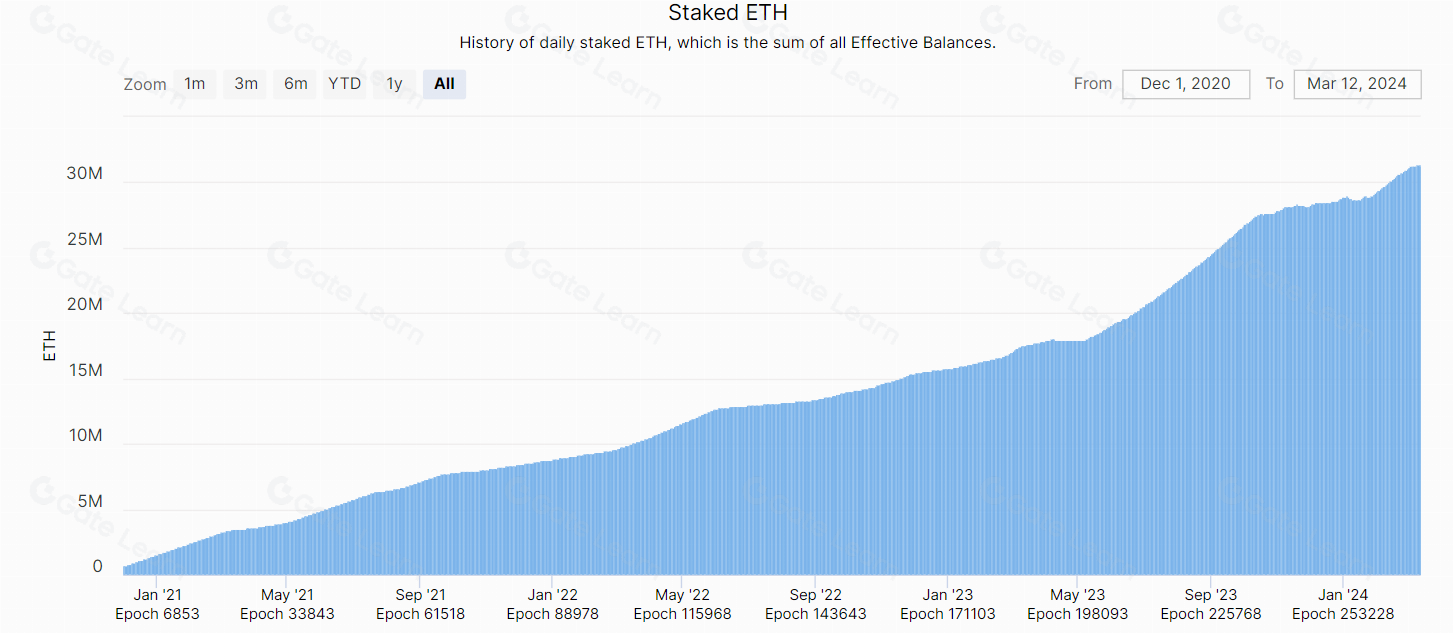
Composability refers to how easily your LRT can be used in other DeFi protocols, such as lending platforms or DEXs. High composability allows you to earn additional yield by providing liquidity or using the LRT as collateral. However, it also increases systemic risk if those integrated protocols fail. Evaluate the ecosystem integrations of each LRT. A highly composable LRT offers more utility but requires careful monitoring of third-party risks.
Before committing capital, use this checklist to verify the protocol's integrity:
By following this framework, you can select an LRT strategy that aligns with your risk profile and yield expectations. Remember that the LRT landscape is evolving rapidly, so stay informed about protocol updates and market changes.
No comments yet. Be the first to share your thoughts!