How LRT yield actually works
Liquid Restaking Tokens (LRTs) have redefined how yield is generated on Ethereum, but the mechanics differ significantly from standard Liquid Staking Tokens (LSTs). Understanding this distinction is essential before evaluating any tool. An LST provides a single layer of yield derived from the base network’s staking rewards. In contrast, an LRT stacks additional yield layers by restaking that LST into other protocols, often called Actively Validated Services (AVSs).
This layering creates a more complex yield structure. As explained in technical analyses by Three Sigma, an LRT captures the base staking reward plus extra incentives from each integrated protocol. This compounding effect can boost returns, but it also introduces new vectors for risk. The yield is no longer just about validator performance; it includes the solvency and security models of the restaking protocols themselves.
The complexity matters because it changes how you should assess risk. Higher yields in LRTs are not free; they are compensation for taking on additional smart contract and slashing risks. When you choose an LRT tool, you are not just picking a yield source. You are selecting a specific risk profile and a set of underlying protocols that will determine whether that yield is sustainable or vulnerable to failure.
Key risks in LRT infrastructure
Liquid Restaking Tokens (LRTs) are not just staking derivatives; they are complex financial instruments that layer new exposures on top of existing Ethereum staking infrastructure. When you restake ETH, you aren't just securing the base layer—you are also providing security to additional services known as Actively Validated Services (AVSs). This creates a composite risk profile that is significantly more fragile than traditional staking. If one layer fails, the others often follow.
Liquidity risk is the most immediate threat. LRTs rely on deep markets to allow users to exit positions quickly. If the underlying staked assets are locked or if the market for the LRT token thins out during a downturn, you could face significant slippage or be unable to exit at all. Gauntlet’s market risk framework highlights that liquidity depth is often the primary failure point in stress scenarios, turning a theoretical loss into a realized, trapped capital event.
Smart contract risk compounds with every new protocol in the stack. Each LRT platform introduces its own codebase, which must interact with the base staking contract and multiple AVS contracts. More code means more potential attack surfaces. A vulnerability in a less-audited AVS or a complex LRT wrapper can lead to total loss of funds, even if the underlying Ethereum network remains secure.
Slashing risk is the final, critical layer. When you restake, your ETH is responsible for securing multiple networks. If an AVS operator misbehaves or fails to perform its duties, your staked ETH can be slashed. This means you don't just lose rewards; you lose principal. The interconnected nature of these systems means that a failure in one AVS can trigger cascading slashes across the entire LRT ecosystem, making risk mitigation tools essential for survival.
Top LRT yield aggregation tools
Finding the right LRT yield aggregation tool is less about chasing the highest percentage and more about infrastructure reliability. When you stake into liquid restaking, you are exposing your capital to a complex web of smart contracts. A tool that cannot manage slashing risk or maintain deep liquidity on the exit ramp is a liability, not an asset.
The following tools have established themselves as leaders by balancing yield optimization with robust risk mitigation. They support multiple chains and offer varying degrees of automation, allowing you to compound rewards without constant manual intervention.
EigenLayer-native aggregators
These platforms are built specifically for the EigenLayer ecosystem, offering the deepest integration with restaking points and native yield sources. They are the standard for pure-play LRT exposure.
Cross-chain LRT hubs
As the LRT narrative expands beyond Ethereum, these aggregators allow you to manage positions across multiple networks. They simplify the user experience by abstracting the complexity of bridging and managing assets on different chains.
| Platform | Supported Chains | TVL (Approx.) | Risk Mitigation |
|---|---|---|---|
| EigenPhi | Ethereum | $1.2B+ | Real-time slashing monitoring |
| Zircuit Liquidity Hub | Zircuit, Ethereum | $450M+ | Automated liquidity rebalancing |
| Genesis LRT | Ethereum, L2s | $320M+ | Diversified operator selection |
| Karak | Ethereum, Arbitrum | $280M+ | Multi-layered insurance funds |
| Renzo | Ethereum, Base | $850M+ | Dynamic yield optimization |
Measuring yield sustainability
A high APY on a liquid restaking token (LRT) is rarely a gift; it is usually a signal of how the protocol is funding its payouts. To determine if a yield is sustainable or artificially inflated via token emissions, you need to look past the headline number and examine the underlying mechanics.
The Gauntlet Market Risk Framework provides a standard for evaluating these protocols. Their analysis focuses on four main risk attributes that directly impact yield longevity: the quality of the underlying staked assets, the smart contract security, the economic incentives for operators, and the tokenomic structure of the LRT itself. If the yield is primarily driven by the latter, it is likely to decay as the token supply expands.
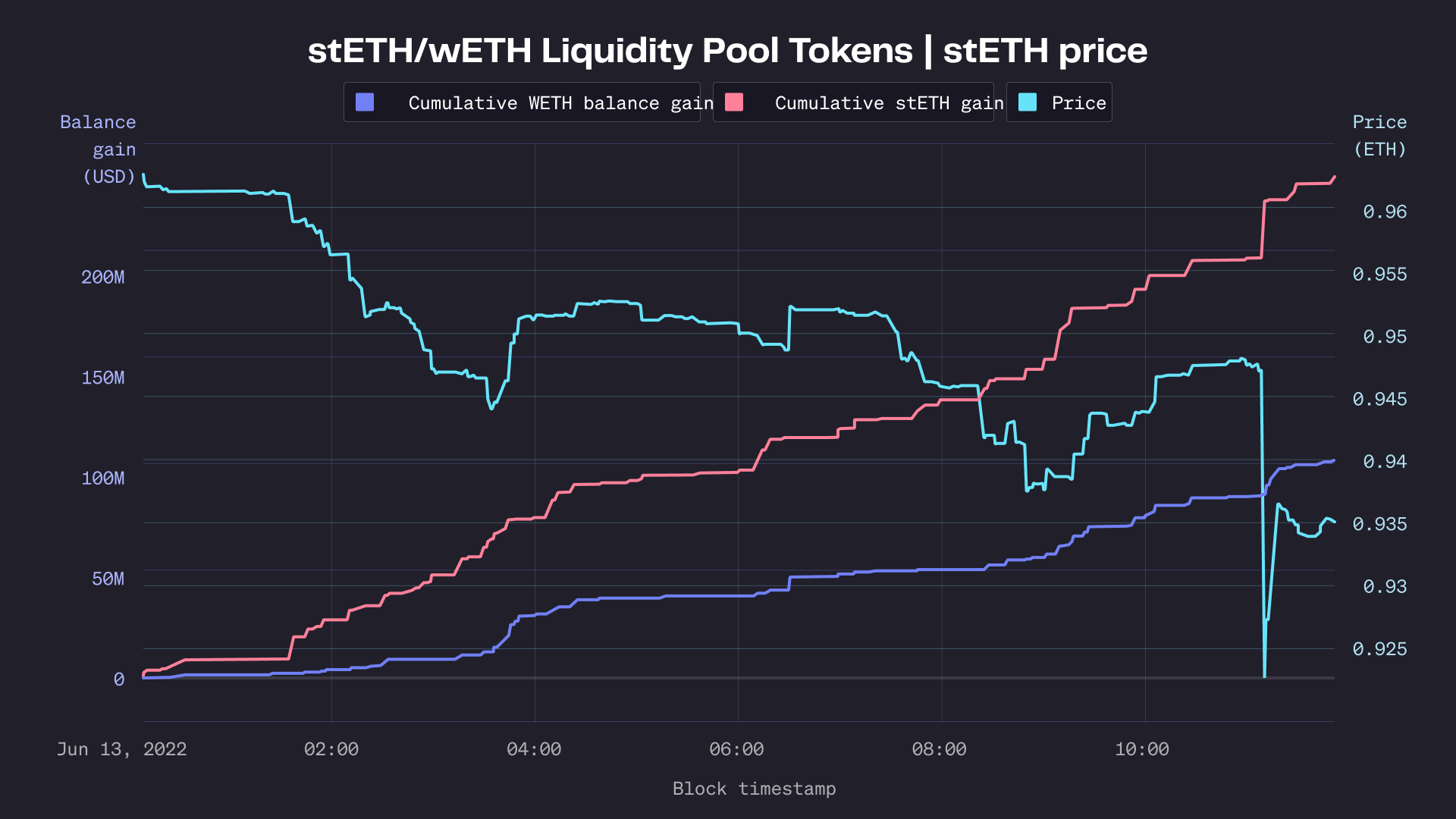
You can visualize this divergence by tracking the LRT token price against its reported APY. When the token price trends downward while the APY remains static or increases, it often indicates that the protocol is printing tokens to maintain yields rather than generating real economic value. This "yield pump" is a common trap in early-stage restaking ecosystems.
Best tools for LRT management
Managing Liquid Restaking Tokens (LRT) requires a different security posture than standard staking. Because LRTs often involve layered smart contracts and additional yield-bearing protocols, the attack surface for key compromise is wider. You need hardware and software tools that prioritize isolation and clear transaction verification.
Hardware wallets for cold storage
A hardware wallet remains the first line of defense. Devices like the Ledger Nano X or Trezor Model T allow you to sign transactions offline, keeping your private keys away from internet-connected devices. This is critical for LRT positions, where a single compromised key could expose both your staked assets and the derivative tokens backed by them.
When selecting a wallet, ensure it has native support for the specific LRT tokens you hold. Many newer LRT protocols operate on chains like Ethereum, EigenLayer, or specialized rollups. Check the manufacturer’s official compatibility list before purchasing. If a token isn’t natively supported, you may need to rely on manual contract interactions, which increases the risk of user error.
Software wallets for active management
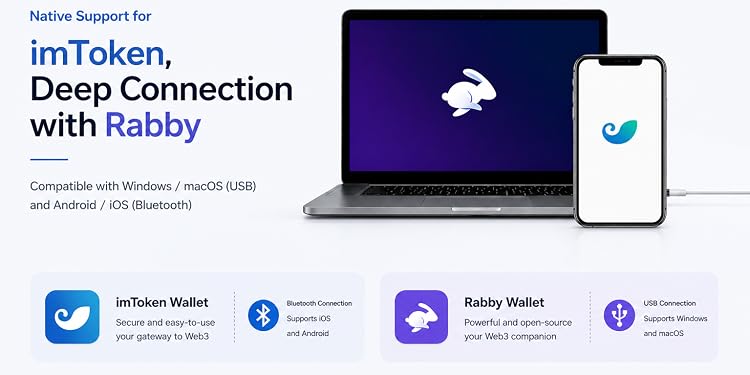
For active trading or yield optimization, a software wallet like MetaMask or Rabby offers necessary flexibility. Rabby, in particular, provides transaction simulation features that preview how a transaction will affect your portfolio before you sign it. This is invaluable for LRT management, where interacting with complex yield strategies can lead to unexpected state changes.
Always verify the contract addresses you interact with. Use official sources like the project’s GitHub or verified documentation to confirm addresses. Never click links from unverified sources, even if they claim to offer “exclusive” LRT yields.
Essential accessories
Secure management isn’t just about the wallet itself. Consider a hardware security key (like a YubiKey) for two-factor authentication on exchange accounts or DeFi dashboards. This adds a second layer of verification that phishing attacks cannot easily bypass.


As an Amazon Associate, we may earn from qualifying purchases.
LRT Yield Strategy FAQ
Liquid restaking adds layers of complexity to staking returns. Understanding the mechanics helps you manage expectations and risks.
No comments yet. Be the first to share your thoughts!