Lrt yield analysis: limits and limits to account for
Liquid Restaking Token (LRT) yields are not static; they are the net result of base staking rewards layered with additional returns from Actively Validated Services (AVSs). While this structure offers higher potential returns than standard Liquid Staking Tokens (LSTs), it introduces complex risk vectors that directly constrain sustainable yield. Understanding these constraints is essential for any yield analysis in 2026.
The primary constraint is the external liquidity of the underlying asset. If the LRT’s liquidity pool is thin, large withdrawals can cause significant slippage, eroding effective yield. Withdrawal latency acts as a hidden tax. During periods of network congestion or validator exit queue buildup, users may be unable to exit positions quickly, locking up capital and missing market opportunities.
| Constraint | Impact on Yield | Risk Level |
|---|---|---|
| External Liquidity | High slippage on exit reduces net APY | Medium-High |
| Withdrawal Latency | Capital lock-up prevents rebalancing | High |
| AVS Smart Contract Risk | Potential loss of restaked principal | High |
| Protocol Fee Variability | Unpredictable changes to yield distribution | Low-Medium |
These factors mean that advertised APY often overstates realizable returns. A robust LRT yield analysis must stress-test these constraints against historical market volatility rather than relying on current static metrics. Always assume that yield will fluctuate more than traditional staking products due to these layered dependencies.
Lrt yield analysis: strategic choices that change the plan
LRTs layer additional yield on top of base staking rewards by deploying assets into Active Validator Services (AVSs). While this structure offers higher potential returns, it introduces a complex web of operational and economic risks that require careful evaluation. Understanding these tradeoffs is essential for determining which LRT strategies align with your risk tolerance and capital goals.
Liquidity and Withdrawal Speed
The most immediate tradeoff in LRT yield analysis is liquidity. Standard Liquid Staking Tokens (LSTs) typically allow for relatively quick redemption, often within a few epochs. LRTs, however, add a layer of complexity because the underlying assets are restaked. This can result in longer unbonding periods or restricted withdrawal windows, especially during periods of high network congestion or protocol stress.
If you need rapid access to your capital, an LRT may not be the optimal choice. The liquidity premium you receive is often offset by the time cost of exiting the position. Always check the specific withdrawal mechanics of the protocol, as some LRTs may require you to wait for multiple consensus epochs to become liquid again.
Yield Composition and Sustainability
LRT yields are not monolithic; they are composed of base staking rewards plus additional rewards from integrated protocols. This composite yield can appear attractive but may be less sustainable than it seems. A significant portion of LRT yield often comes from point systems, incentives, or speculative AVS rewards, which can fluctuate or disappear as protocols mature.
When analyzing yield, distinguish between "native" yield (from network consensus) and "incentive" yield (from protocol rewards). Native yield is generally more stable, while incentive yield is subject to market dynamics and protocol budget changes. Over-reliance on volatile incentive layers can lead to sharp yield drops if the broader crypto market sentiment shifts.
Smart Contract and Operational Risk
By interacting with LRTs, you are exposed to multiple smart contract layers. Each additional protocol you restake into introduces new attack vectors, including code vulnerabilities, oracle failures, and governance risks. The more complex the LRT strategy, the higher the potential for operational failure.
This risk is particularly pronounced in newer or less audited protocols. While higher yields compensate for some risk, they do not eliminate the possibility of total loss. Due diligence on the audit status and track record of the underlying protocols is a non-negotiable part of LRT yield analysis.
Comparison of LRT Strategies
The table below compares common LRT approaches based on liquidity, yield source, and risk profile. This comparison helps clarify which strategy might fit your specific investment horizon and risk appetite.
| Strategy | Liquidity | Primary Yield Source | Risk Level |
|---|---|---|---|
| Conservative LST-Only | High | Base Network Rewards | Low |
| Balanced LRT | Medium | Network + AVS Incentives | Medium |
| Aggressive AVS | Low | High AVS Rewards | High |
| DeFi-Integrated LRT | Variable | Lending/Trading Fees | High |
Choosing the Right Approach
Your choice should depend on how much liquidity you need and how much risk you are willing to take. If capital preservation is your priority, sticking to conservative LST-only strategies or highly audited LRTs with low AVS exposure is advisable. For those seeking higher yields, diversifying across multiple LRT protocols can mitigate single-point-of-failure risks, but it also increases management complexity.
Always ensure you understand the exit conditions before entering. The best LRT yield analysis accounts for not just the potential upside, but the worst-case scenario for liquidity and smart contract security.
Build Your LRT Decision Framework
Evaluating Liquid Restaking Tokens (LRTs) requires moving beyond headline yields to understand the risk architecture. The Gauntlet Market Risk Framework identifies four critical attributes: external liquidity, withdrawal mechanisms, smart contract complexity, and correlation risk. Understanding these variables allows you to separate sustainable yield from fragile incentives.
1. Assess External Liquidity and Exit Paths
Liquidity determines how quickly you can exit a position without significant slippage. LRTs that rely on deep, concentrated liquidity pools on major decentralized exchanges offer better resilience. Check the depth of the pool on platforms like Uniswap or Curve. Thin liquidity increases the risk of being trapped during market downturns.
2. Evaluate Withdrawal Mechanisms
Not all LRTs allow instant withdrawals. Some protocols implement withdrawal queues or delays to manage network congestion and liquidity shortages. Instant withdrawals are preferable for flexibility, but delayed mechanisms often indicate a more conservative, sustainable model. Review the protocol’s documentation to understand any potential lock-up periods or queue lengths.
3. Analyze Smart Contract Complexity
LRTs involve multiple layers of smart contracts, increasing the attack surface for potential exploits. Each additional protocol integration adds complexity and potential points of failure. Prioritize protocols with audited code, verified source contracts, and a history of responsible disclosure. Simpler architectures generally present lower technical risk.
4. Check Correlation Risk
LRT yields are often correlated with the underlying asset (e.g., ETH) and the broader market. During a market crash, both the asset price and the yield may decline simultaneously. Diversify across different LRT protocols and underlying assets to mitigate this correlation. Avoid over-concentrating your portfolio in a single protocol or asset class.
Begin by evaluating the base asset’s fundamentals. ETH remains the most established foundation for restaking. Its deep liquidity and network effects provide a stable base for yield generation. Avoid exotic base assets unless you have specialized expertise in their specific risk profiles.
Once the base asset is selected, assess the LRT protocol’s risk management. Look for transparent governance, clear fee structures, and robust insurance funds. Protocols that share revenue with stakers or have community-driven risk committees often align incentives better.
Track yield sources over time. Distinguish between sustainable yield from network fees and unsustainable yield from token emissions. Emissions-driven yields are temporary and can disappear quickly. Focus on protocols that generate yield from real economic activity.
| Feature | LST | LRT |
|---|---|---|
| Yield Source | Base staking rewards only | Base rewards + AVS incentives |
| Complexity | Low | High |
| Risk Profile | Lower | Higher |
| Liquidity | Generally deep | Varies by protocol |
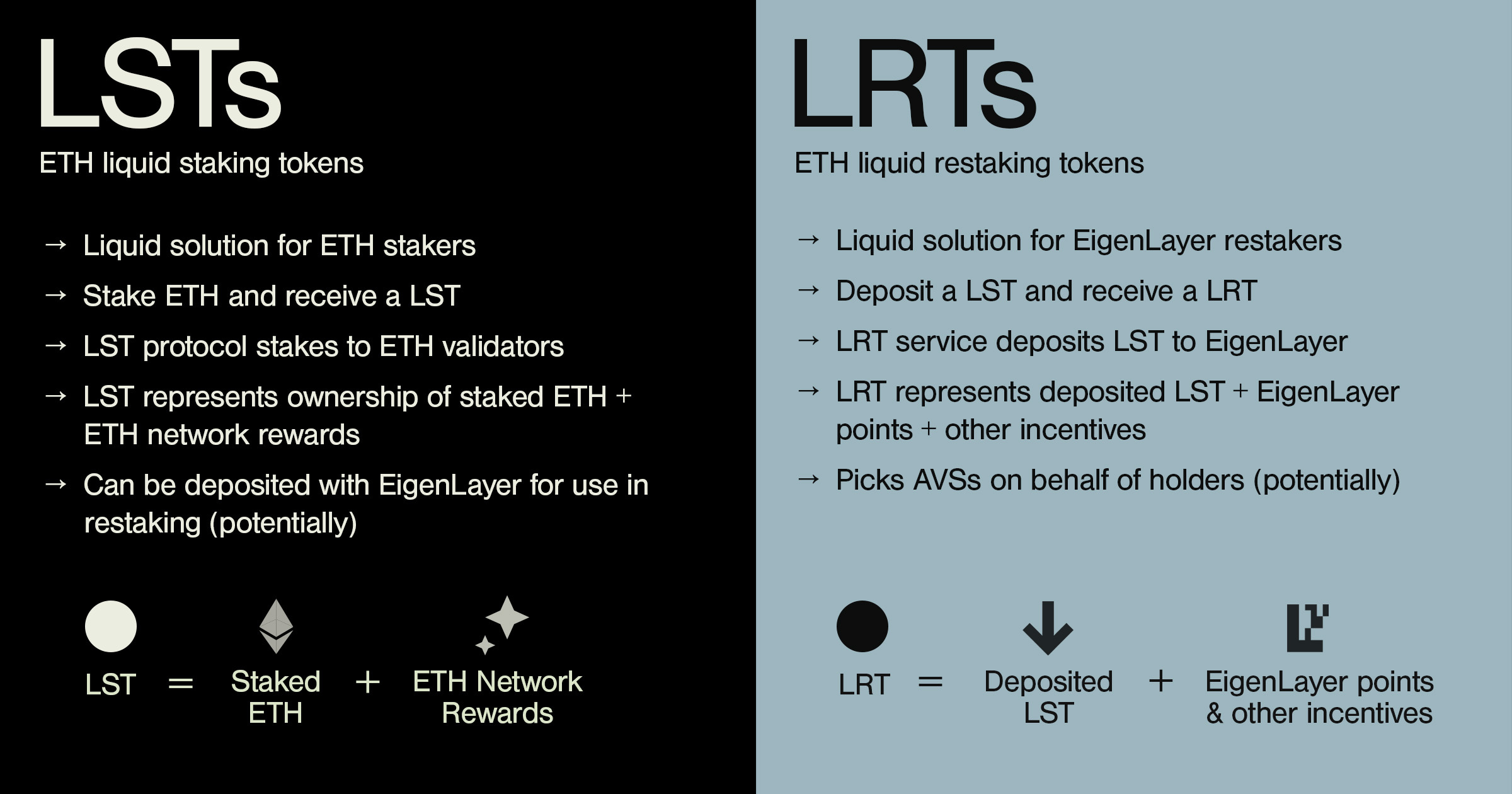
The choice between LSTs and LRTs depends on your risk tolerance and yield goals. LSTs offer simplicity and lower risk, suitable for conservative investors. LRTs provide higher potential yields but require active monitoring and risk management. Align your choice with your overall portfolio strategy and comfort with technical complexity.
Watchouts: Avoiding Weak LRT Options
Not all Liquid Restaking Tokens (LRTs) offer the same risk-adjusted returns. Some protocols promise high yields by layering too many risk factors, creating fragile structures that can collapse during market stress. To protect your capital, you need to identify these weak options before allocating funds.
Hidden Smart Contract Risks
Many LRTs rely on complex, unverified smart contracts that introduce significant technical risk. If a protocol uses custom code without thorough audits, a single bug can drain user funds. Always check if the code has been audited by reputable firms and if there is a bug bounty program in place. Avoid protocols with opaque or outdated security reports.
Liquidity Traps and Withdrawal Delays
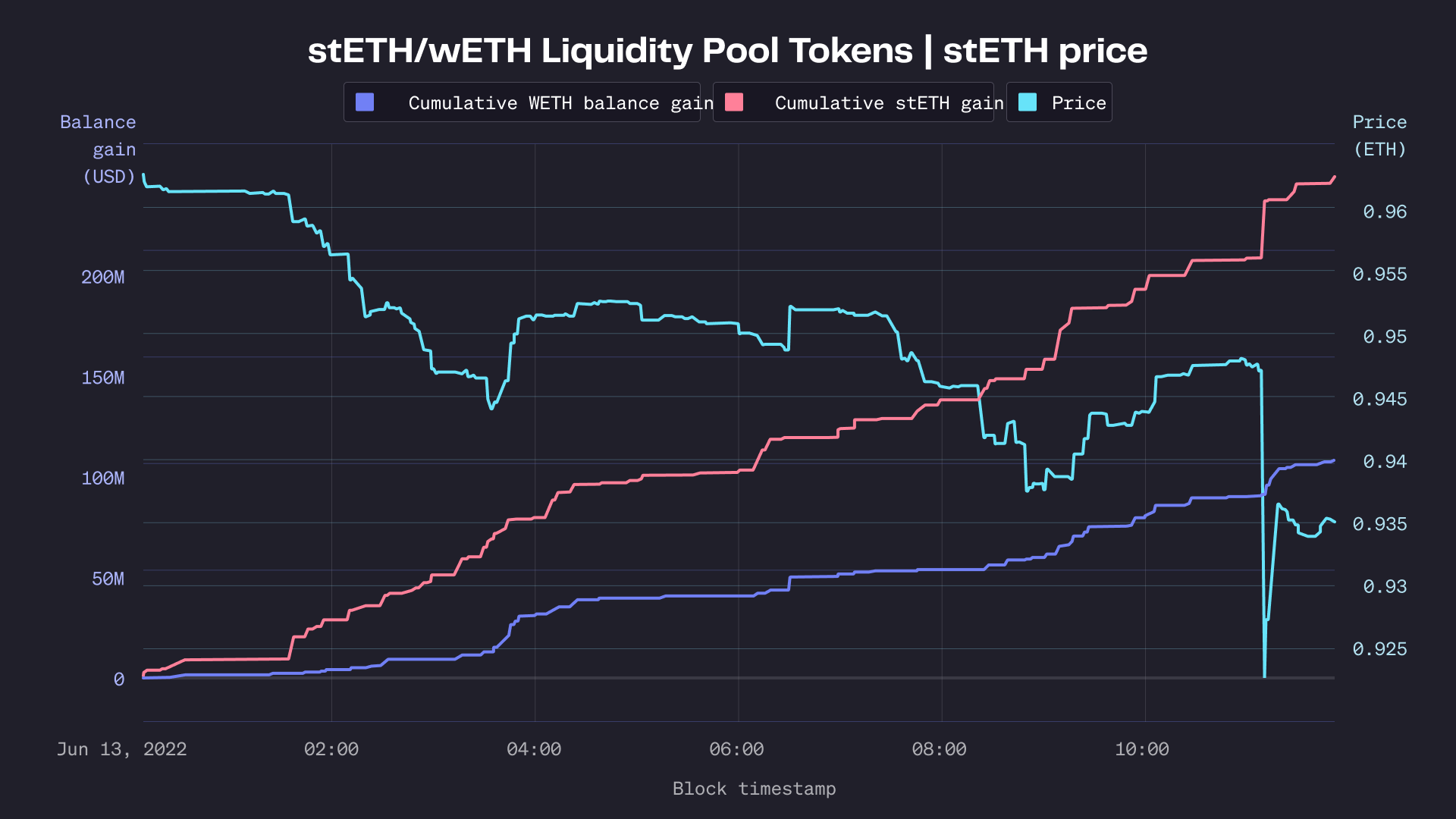
A common trap is low liquidity in the underlying staking assets. During market downturns, users may face long withdrawal delays or slippage when trying to exit positions. Check the protocol’s liquidity depth and historical withdrawal times. If the liquidity is thin, your assets could be locked up when you need them most.
Over-Reliance on Single Validators
Some LRTs concentrate staking power with a single validator or a small group. This creates a single point of failure. If that validator misbehaves or goes offline, your entire stake is at risk of slashing. Diversify across protocols that distribute stakes across multiple, reputable validators to mitigate this risk.
Yield Sustainability Claims
Be skeptical of yields that seem too good to be true. High APYs often come from unsustainable inflationary token emissions or risky leveraged strategies. Look for yields backed by real economic activity, such as base staking rewards and genuine restaking fees, rather than temporary incentives.
Regulatory Ambiguity
The regulatory landscape for LRTs is still evolving. Some protocols may operate in legal gray areas, exposing users to potential future restrictions or bans. Research the jurisdiction and legal structure of the protocol. Prefer projects that are transparent about their compliance efforts and engage with regulators proactively.
LRT Yield Analysis: Key Considerations
Before committing capital to Liquid Restaking Tokens (LRTs), it is essential to distinguish the mechanics from traditional staking and understand the specific risk vectors involved.
How do LRTs differ from Liquid Staking Tokens (LSTs)?
Liquid Staking Tokens (LSTs) represent staked assets on the base layer, such as ETH on Ethereum, and yield the network’s standard staking rewards. LRTs take this a step further by restaking those LSTs into protocols like EigenLayer. This allows LRT holders to earn the base staking yield plus additional rewards from Active Validation Services (AVSs). Essentially, LRTs layer extra yield on top of the foundation, but this comes with added complexity and exposure to the underlying AVS risk [src-serp-2].
What are the primary risks of LRT yields?
The higher yields in LRTs are not free; they are compensation for specific risks. The two main factors are external liquidity and withdrawal capabilities. If the underlying restaking protocol experiences a stress event, or if the AVSs fail, the yield can evaporate, and the principal may be locked or depegged. Gauntlet’s risk framework highlights that liquidity depth is critical during market downturns, as thin markets can amplify price slippage when trying to exit positions [src-serp-1].
Are LRT yields sustainable long-term?
Sustainability depends on the health of the AVS ecosystem and the continuous demand for restaking services. While current yields are boosted by point campaigns and initial protocol incentives, these are often temporary. Long-term viability relies on the actual utility and security provided by the AVSs. Investors should monitor whether the yield is driven by genuine economic activity or merely by inflationary token emissions [src-serp-4].
How do I evaluate an LRT strategy?
Evaluate LRT strategies by examining their underlying yield-generating mechanisms. Look for transparency in how the protocol allocates assets across different AVSs and whether there are insurance mechanisms or slashing protection. YieldNest’s documentation suggests that robust LRT strategies should clearly define their risk parameters and have clear exit liquidity plans to handle sudden market shifts [src-serp-3].
No comments yet. Be the first to share your thoughts!