Lrt yield limits to account for
Liquid Restaking Tokens (LRTs) promise layered yields by combining staking rewards with restaking incentives from Actively Validated Services (AVSs). In theory, restakers stack rewards from multiple protocols to boost returns. In practice, these yields face significant structural constraints that often cap actual returns well below theoretical maximums.
The primary constraint is yield dilution. As more capital flows into popular LRT strategies, the marginal reward per unit of stake decreases. This is not a bug but a feature of competitive markets. Protocols distribute fixed reward pools among more participants, causing APYs to compress. For example, an LRT might launch with a projected 12% APY, but as total value locked (TVL) grows, that yield can drop to 4-6% within months.
Another major constraint is the "yield gap" between base staking and restaking. While base Ethereum staking yields are relatively stable, restaking rewards are volatile and dependent on AVS demand. If AVS demand cools, the additional yield layer shrinks or disappears entirely. This makes LRT yields less predictable than standard liquid staking tokens.
Protocol design also plays a role. Many LRTs use complex strategies to maximize yield, but these often involve trade-offs in security or liquidity. Some protocols lock up rewards or require active management, which can reduce the effective yield for passive holders. Understanding these constraints is essential for realistic yield expectations.
| Factor | Impact on Yield | Example |
|---|---|---|
| TVL Growth | Yield Dilution | APY drops from 12% to 6% as TVL doubles |
| AVS Demand | Reward Volatility | Restaking rewards drop when AVS demand cools |
| Protocol Design | Complexity Trade-offs | Locked rewards reduce effective passive yield |
Lrt yield choices that change the plan
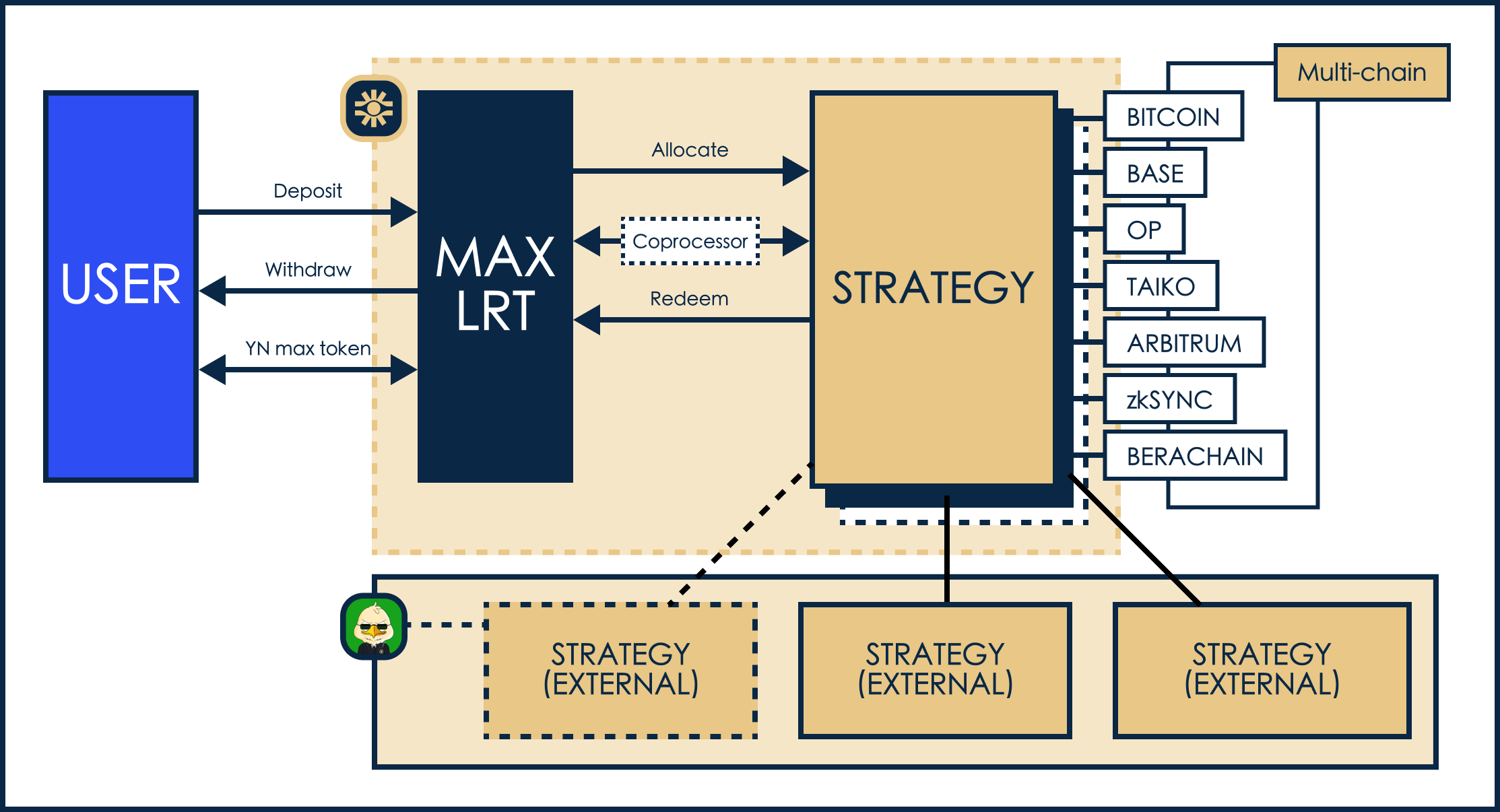
Liquid restaking tokens (LRTs) promise higher returns by stacking rewards from multiple protocols, but this yield comes with specific structural risks. Unlike simple staking, LRTs introduce a multi-layer architecture where your assets are restaked as collateral for Active Validation Services (AVSs). This design allows for "stacked" rewards, but it also concentrates risk. If one AVS fails or misbehaves, the entire restaking stack can be penalized through slashing, potentially eroding the yield gains.
When evaluating LRT yield, you must look beyond the Annual Percentage Yield (APY) headline. The true tradeoff involves balancing yield potential against liquidity constraints and smart contract complexity. A high APY often reflects higher risk premiums or unsustainable incentive programs rather than organic network value. Understanding these mechanics is essential for deciding whether the extra yield justifies the exposure to protocol-specific failures.
Yield vs. Risk Exposure
The primary tradeoff in LRTs is the correlation between yield and systemic risk. Standard Liquid Staking Tokens (LSTs) earn yield from consensus-level staking rewards. LRTs add a second layer by restaking those LSTs to secure other networks. While this boosts APY, it exposes your capital to the failure modes of the underlying AVSs. A robust LRT strategy requires diversification across multiple AVSs to mitigate slashing risk, but this also complicates the user experience and increases gas costs.
Liquidity and Exit Friction
Liquidity is the second major factor. While LRTs are designed to remain liquid, severe market stress or a major slashing event can freeze withdrawals or cause significant depegging. Unlike holding native ETH or a simple LST, exiting an LRT position may require interacting with complex smart contracts that could be buggy or congested. Always check the protocol's withdrawal queue times and historical stability during high-volatility periods.
Protocol Complexity and Attack Surface
Every additional layer in the restaking stack increases the attack surface. LRT protocols often involve nested tokens and complex reward distribution mechanisms. This complexity makes audits harder and increases the likelihood of smart contract vulnerabilities. A vulnerability in the LRT wrapper or the underlying AVS logic can lead to total loss of funds. Simpler protocols with fewer layers generally offer lower yields but significantly lower technical risk.
| Factor | LST Only | LRT | Risk Level |
|---|---|---|---|
| Yield Source | Consensus rewards | Consensus + AVS rewards | Low to Medium |
| Slashing Exposure | Minimal (validator only) | High (AVS penalties) | Medium to High |
| Liquidity | High | Variable (can freeze) | Medium |
| Complexity | Low | High (nested logic) | High |
How to choose the right LRT strategy
Liquid restaking tokens (LRTs) are not a single product; they are a bundle of yield-generating mechanisms. Understanding how these protocols combine liquid staking derivatives (LSDs) with restaking layers is the only way to identify where your capital is actually working.
Instead of comparing static APYs, evaluate the underlying infrastructure. A strategy that looks attractive today might collapse if the active validation service (AVS) it relies on suffers a slashing event. The decision framework below breaks down the three common LRT structures so you can match them to your specific risk tolerance.
1. Native restaking strategies
These protocols integrate directly with the restaking layer of the base chain (such as EigenLayer on Ethereum). They offer the highest potential yield because they capture rewards from multiple AVSs simultaneously. However, this complexity introduces significant smart contract risk and potential slashing exposure. This approach is best for investors who prioritize maximum yield and have a high risk appetite.
2. Hybrid LRT platforms
Hybrid models often combine native restaking with external DeFi strategies, such as providing liquidity to decentralized exchanges or lending markets. This diversification can stabilize returns during periods of low restaking demand. The tradeoff is that you are exposed to impermanent loss and smart contract risks from multiple DeFi primitives, not just the restaking layer.
3. Simplified or "safe" LRTs
Some protocols focus on a single, well-audited restaking path or avoid DeFi integration entirely. These offer lower, more predictable yields but significantly reduce the attack surface for smart contract exploits. This is the most suitable option for conservative investors or those who want exposure to restaking without managing complex DeFi positions.
Final decision framework
Your choice depends on your primary goal: yield maximization or capital preservation. If you are chasing the highest possible returns, look for native restaking strategies with robust insurance funds. If you want to balance yield with safety, hybrid platforms or simplified LRTs are better suited. Always verify the specific AVSs each protocol supports before committing funds.
| Strategy Type | Yield Potential | Risk Profile | Best Use Case |
|---|---|---|---|
| Native Restaking | High | High (Slashing/Smart Contract) | Yield maximization |
| Hybrid LRT | Medium-High | Medium (DeFi + Restaking) | Balanced portfolios |
| Simplified LRT | Low-Medium | Low | Capital preservation |
Watchouts: Avoiding Weak LRT Yields
Not all liquid restaking protocols deliver the returns they promise. Many yield figures rely on temporary incentives or opaque token emissions that vanish once the launch phase ends. Before committing capital, you need to separate sustainable infrastructure yield from unsustainable marketing.
The Illusion of Stacked Rewards
Protocols often advertise "stacked" yields by combining liquid staking rewards with restaking points. While this looks impressive on paper, it frequently depends on short-term incentive programs. If a significant portion of your yield comes from volatile governance tokens rather than base ETH yield, the strategy is fragile. Look for protocols that generate yield from real AVS demand, not just token distribution.
Hidden Risks in Complex Vaults
Complex vault structures can obscure where your funds are actually deployed. Some strategies layer multiple derivatives or rely on untested smart contracts to boost APY. This complexity introduces additional smart contract risk and potential points of failure. A simpler strategy with transparent, audited contracts often provides more reliable long-term returns than a complex one promising double-digit yields.
Evaluating Protocol Sustainability
Check if the protocol has a clear path to sustainability. Does it have revenue from AVS fees? Is the tokenomics model designed to prevent massive sell pressure? Protocols that fail to address these questions often collapse once incentives dry up. Prioritize protocols with transparent documentation and a track record of managing risk.
| Feature | Strong Option | Weak Option |
|---|---|---|
Lrt yield: what to check next
Liquid restaking tokens (LRTs) offer layered yield by combining staking rewards with additional returns from Active Validation Services (AVSs). However, this structure introduces complex risks that require careful evaluation before capital deployment.
No comments yet. Be the first to share your thoughts!