Lrt yield limits to account for
LRT Yield works best as a clear sequence: define the constraint, compare the realistic options, test the tradeoff, and choose the path with the fewest hidden costs. That order keeps the advice usable instead of decorative. After each step, pause long enough to check whether the recommendation still fits the reader's actual situation. If it depends on perfect timing, unusual access, or a best-case budget, include a simpler fallback.
The simplest way to use this section is to write down the real constraint first, compare each option against it, and choose the path that still works outside ideal conditions.
Lrt yield choices that change the plan
Liquid restaking tokens (LRTs) combine base staking rewards with additional returns from active validation services (AVSs), creating a multi-layer yield structure. While this stacking mechanism can boost annual percentage yields, it introduces distinct risks compared to holding standard liquid staking tokens (LSTs). Evaluating these tradeoffs requires looking beyond the headline APY to understand the underlying infrastructure and potential failure modes.
The primary advantage of LRTs is capital efficiency. By restaking assets, you earn yield from multiple protocols simultaneously. However, this convenience comes with increased complexity. Smart contract risk multiplies with each additional layer, and slashing conditions in AVSs can impact your principal. Unlike simple staking, where penalties are often capped or predictable, restaking penalties can be severe if the underlying validator misbehaves across integrated services.
Comparison of LRT vs. LST Yield Profiles
The following table compares the fundamental characteristics of LRTs against traditional LSTs to help you decide which fits your risk tolerance.
| Feature | LST (e.g., stETH) | LRT (e.g., rsETH) |
|---|---|---|
| Base Yield | Staking rewards only | Staking + AVS rewards |
| Complexity | Low (single protocol) | High (multi-layer) |
| Slashing Risk | Validator-specific | Validator + AVS-specific |
| Liquidity | High | Variable (depends on pool) |
| Smart Contract Risk | Single layer | Multiple layers |
Risk and return choices that change the plan
Higher yields in LRTs are not free money; they are compensation for taking on additional risk. The yield gap between LSTs and LRTs often reflects the market’s assessment of protocol security and AVS reliability. If an AVS is new or under-tested, the yield may be inflated to attract capital, but the risk of smart contract exploits or slashing events is correspondingly higher.
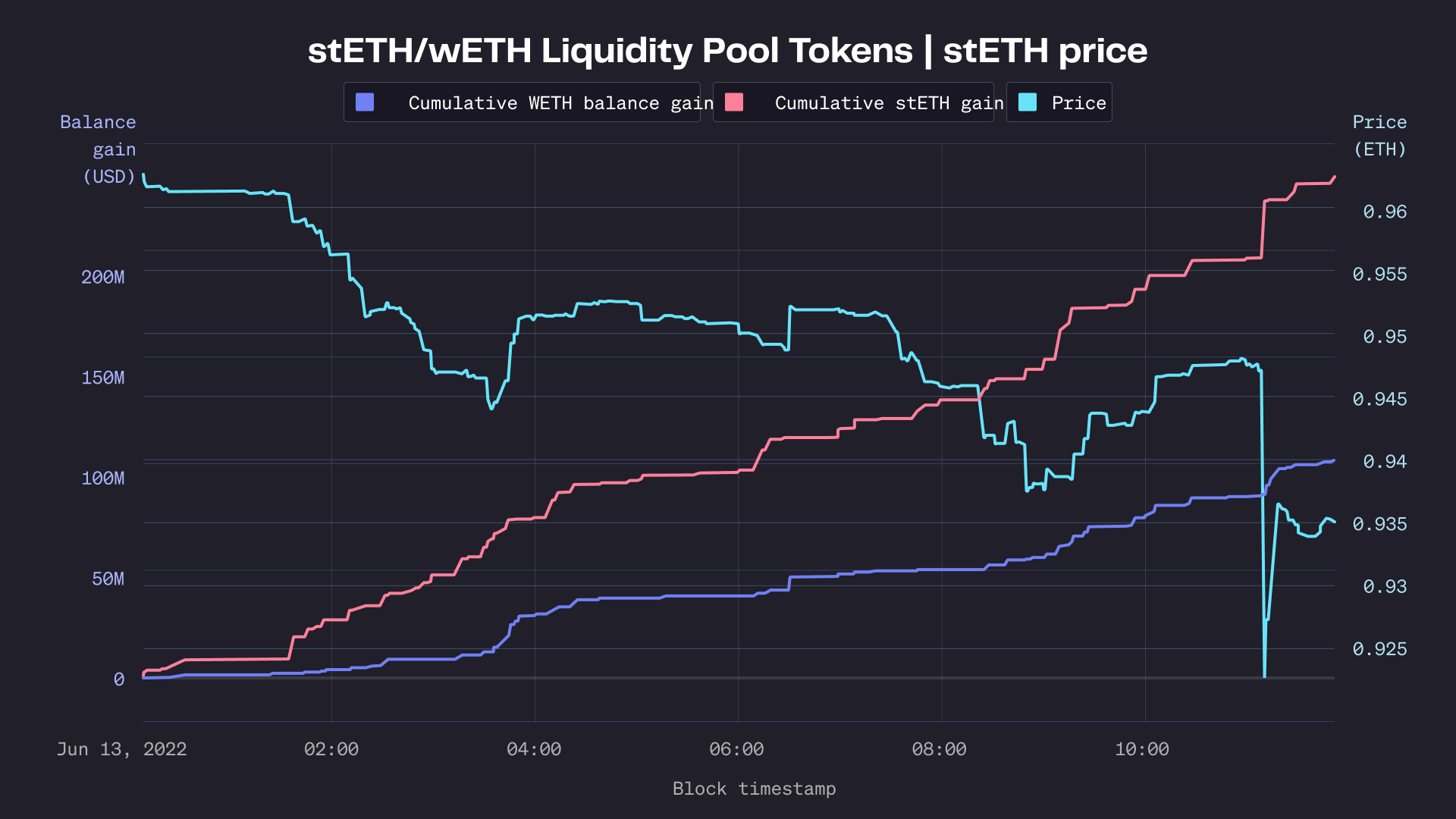
Also, liquidity risk is a critical factor. While LSTs are widely supported across DeFi platforms, some LRTs may have narrower liquidity pools or higher slippage during market stress. Always check the depth of the liquidity pool and the historical stability of the yield before committing capital.
How to choose the right LRT yield strategy
Selecting a Liquid Restaking Token (LRT) requires matching your risk tolerance to specific yield mechanisms. LRT strategies act as the building blocks for yield generation, executing different protocols to stack rewards from multiple Actively Validated Services (AVSs). This stacking capability creates higher theoretical yields but introduces complex technical and economic risks.
To navigate this, use the following decision framework. It breaks down the core tradeoffs between yield sources, risk profiles, and liquidity needs.

Determine if you prioritize base staking yield or restaking premiums. Base yield comes from the underlying asset (e.g., ETH), while restaking yield comes from delegating to AVSs. Higher restaking exposure increases yield but adds smart contract and slashing risk. Choose a strategy that aligns with how much extra yield you need to justify the added complexity.
Restaking involves delegating assets to third-party AVSs. If an AVS fails its duties, you may face slashing penalties. Evaluate the LRT protocol’s insurance funds, slashing protection mechanisms, and the reputation of the AVS operators. Higher yields often correlate with less mature or higher-risk AVSs. Prioritize protocols with transparent risk management and audited smart contracts.
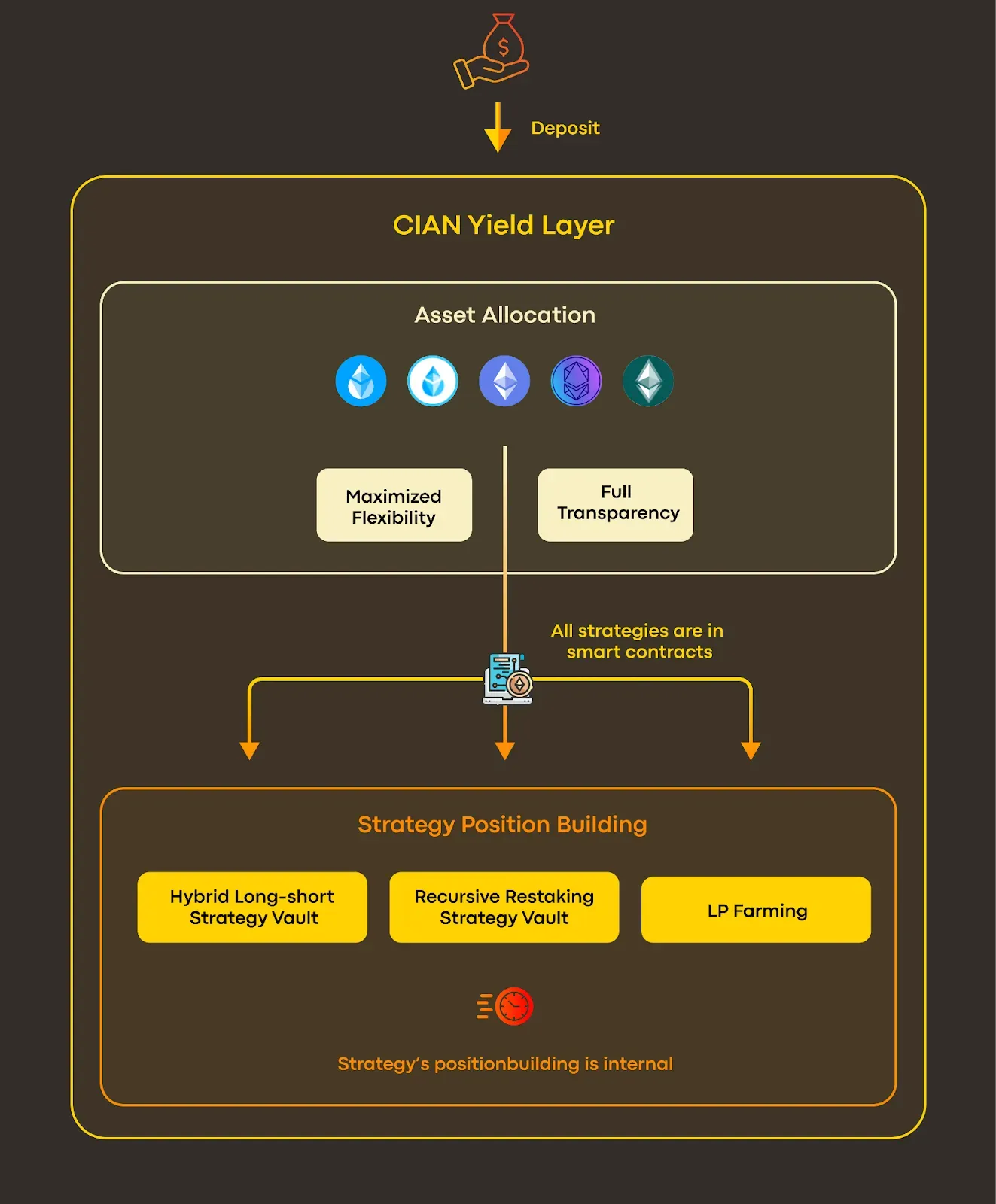
Not all LRTs offer instant liquidity. Some protocols impose withdrawal queues or lock-up periods to manage liquidity during market stress. Verify the redemption process and any associated fees. If you need immediate access to your capital, choose an LRT with deep liquidity pools and clear, instant redemption paths. Avoid strategies that tie up capital for extended periods unless the yield premium is substantial.
Decision framework: LRT vs. traditional staking
| Feature | Liquid Restaking (LRT) | Traditional Liquid Staking (LST) |
|---|---|---|
| Yield Source | Base staking + AVS restaking rewards | Base staking only |
| Risk Level | High (slashing, smart contract complexity) | Medium (smart contract risk) |
| Liquidity | Varies (check withdrawal queues) | High (usually instant) |
| Best For | Yield maximizers with high risk tolerance | Conservative yield seekers |
Final recommendation
For most investors, start with a diversified approach. Allocate a portion to a well-audited LST for stability, and use a smaller portion for LRT strategies to capture restaking premiums. Always monitor the health of the AVSs you delegate to and adjust your allocation based on market conditions and protocol updates. This balanced approach helps capture upside while managing downside risk.
| Strategy | Risk | Yield | Liquidity |
|---|---|---|---|
| Conservative | Low | Base | High |
| Balanced | Medium | Base + Some AVS | Medium |
| Aggressive | High | Max AVS stacking | Low/Queued |
Watchouts: Identifying Weak LRT Options
Not all Liquid Restaking Tokens (LRTs) deliver sustainable yield. Many protocols rely on unsustainable token emissions rather than real economic activity, creating a fragile foundation for long-term returns. Before committing capital, you must distinguish between genuine yield and temporary incentives.
The Emission Trap
Many LRTs advertise high APYs driven by governance token rewards. These emissions are finite and often dilute existing stakers. When the incentive program ends, the yield drops sharply, leaving holders with depreciated assets. Look for protocols where the majority of yield comes from underlying staking rewards and AVS fees, not just token distribution.
Smart Contract Complexity
LRTs involve multiple layers: liquid staking derivatives (LSDs), restaking contracts, and Active Validator Services (AVSs). Each layer introduces smart contract risk. A vulnerability in any component can lead to total loss. Prioritize protocols with extensive audits, bug bounties, and a proven track record of handling exploits. Avoid new or unaudited strategies that promise excessive returns.
Correlated Risk
Restaking often involves depositing the same underlying asset (like ETH) into multiple protocols. If the base asset suffers a consensus failure or slashing event, all dependent LRTs are affected simultaneously. This correlation eliminates diversification benefits. Ensure your strategy accounts for this systemic risk rather than assuming multiple deposits provide separate protection.
Impermanent Loss on Volatile Pairs
Some LRTs integrate with liquidity pools where the LRT is paired against the underlying asset. During high volatility, impermanent loss can erode yield gains. Check if the protocol uses dynamic rebalancing or hedging mechanisms to mitigate this. If not, the net yield may be lower than advertised after accounting for slippage and loss.
Regulatory Uncertainty
The regulatory status of restaking is still evolving. Protocols that operate in legal gray areas may face sudden restrictions or shutdowns. Choose platforms that are transparent about their legal structure and jurisdiction. Avoid anonymous teams or protocols that have ignored regulatory inquiries in the past.
Lrt yield: what to check next
Before committing capital to liquid restaking, it is necessary to separate the theoretical yield stacking from the practical risks. LRTs combine staking rewards with additional returns from actively validated services (AVSs), but this dual revenue stream introduces complexity that standard liquid staking tokens do not carry.
The decision to use LRTs ultimately depends on your tolerance for protocol risk. If you seek yield with minimal active management, standard LSTs remain the safer baseline. If you are willing to monitor AVS performance and accept slashing exposure for higher returns, LRTs provide a structured way to capture that value.
Helpful gear
Use these product recommendations as a starting point, then choose the size, material, and price point that fit how you actually use the gear.


As an Amazon Associate, we may earn from qualifying purchases.
No comments yet. Be the first to share your thoughts!