Lrt yield constraints: the real choices that change the plan
Liquid restaking tokens (LRTs) offer higher yields than standard staking, but the extra return comes with distinct structural risks. Unlike simple staking, LRTs layer security claims, meaning your assets secure both the base blockchain and additional decentralized applications. This creates a complex risk profile where yield is not guaranteed income but a variable reward for providing secondary security.
The primary constraint is smart contract exposure. When you deposit into an LRT protocol, you are interacting with multiple contracts that manage restaking strategies. A vulnerability in any of these contracts can lead to total loss, a risk that does not exist with native staking. Additionally, LRTs often suffer from lower liquidity during market stress, making it difficult to exit positions without significant slippage.
Yield sources are also fragmented. Returns come from validator rewards, restaking fees, and protocol incentives, which fluctuate based on network demand. Unlike a fixed bond, LRT yields can drop sharply if the restaking ecosystem cools down. Understanding these constraints is essential before allocating capital, as the "yield" often masks the underlying volatility and complexity of the infrastructure.
Lrt yield choices that change the plan
Liquid restaking tokens (LRTs) promise double-dipping yields by combining base-layer staking rewards with restaking points, but this structure introduces layered risks. The primary tradeoff is between yield magnitude and complexity. Higher yields often come from more complex strategies that are less transparent and harder to audit.
When evaluating LRT strategies, you must look beyond the Annual Percentage Yield (APY) displayed on dashboards. Gauntlet’s risk framework highlights that LRT risks are not monolithic; they vary by protocol design, underlying asset, and smart contract exposure. A protocol offering 15% APY might carry significantly higher smart contract risk than one offering 8% APY with a simpler architecture.
The core decision involves balancing yield optimization against security. Simple LRTs track the base layer directly, offering lower yields but higher security. Advanced LRTs use vector strategies to aggregate yield from multiple sources, increasing returns but also introducing points of failure. You need to assess whether the extra yield justifies the added complexity and potential for smart contract exploits or slashing events.
| Strategy | Yield Profile | Risk Level | Complexity |
|---|---|---|---|
| Simple LRT | Base Staking Only | Low | Low |
| Aggregated LRT | Base + Restaking Points | Medium | Medium |
| Vector Strategies | Multi-Source Optimized | High | High |
Technical context
Understanding the market dynamics of LRTs requires tracking both the token performance and the broader restaking ecosystem. The following chart provides a technical view of the underlying asset’s price action, which often correlates with restaking demand and yield fluctuations.
Market snapshot
Real-time price data for Ethereum helps contextualize the base yield component. Since LRT yields are partially derived from ETH staking rewards, tracking the underlying asset’s performance is essential for accurate yield projections.
How to choose an LRT yield strategy
Liquid restaking (LRT) lets you pledge assets already staked on a base layer to secure additional decentralized applications, earning secondary yield in return. Because these strategies involve multiple layers of smart contracts, the path to sustainable returns requires a structured decision process rather than chasing the highest headline APR.

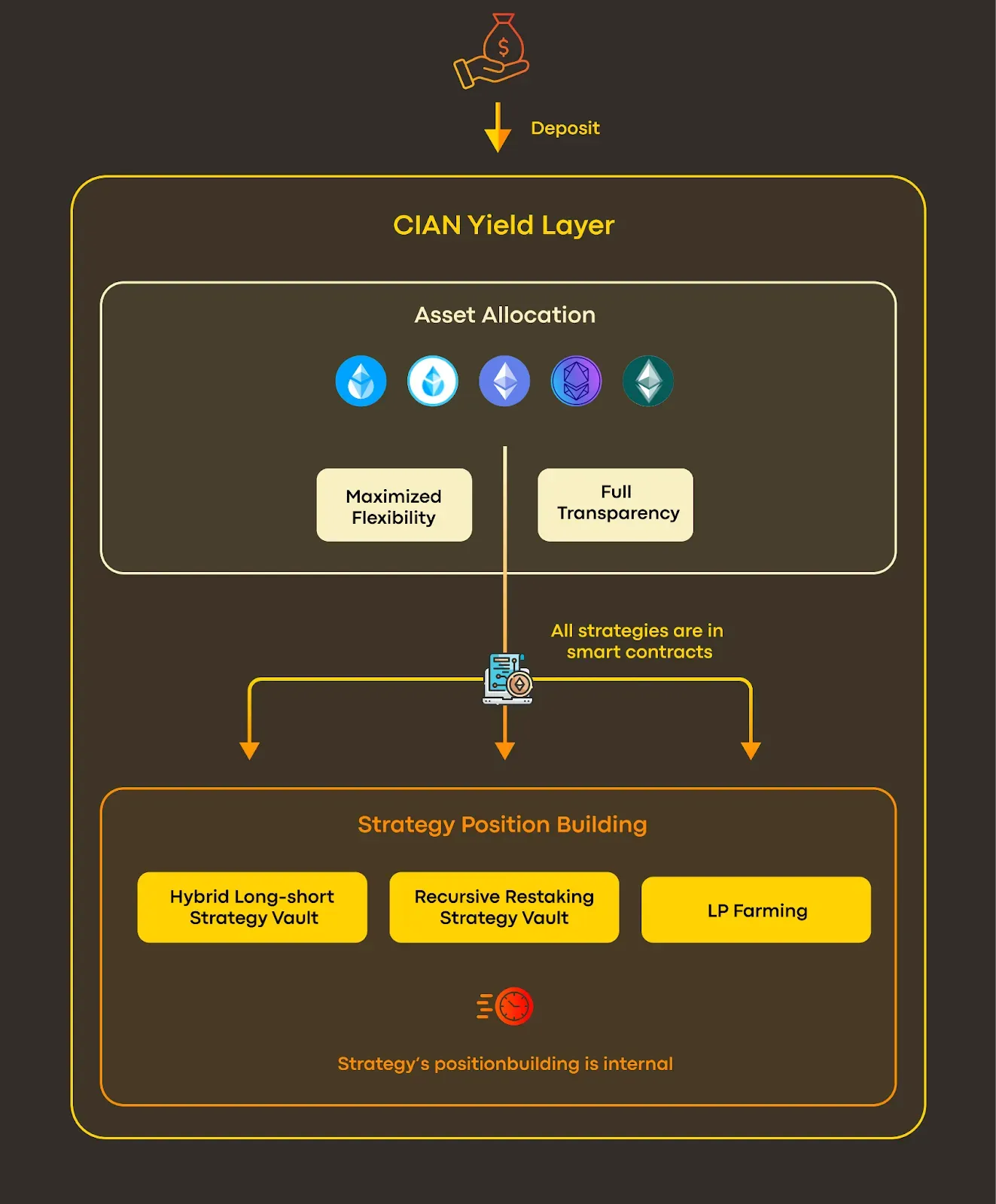
Start by confirming the protocol’s security posture. Check if the smart contracts have been audited by reputable firms and review any known bug bounties. LRT Yield Layer, for example, consolidates yield strategies through a vector of approaches, but you must verify which specific vaults or strategies are active and insured. Never deposit into a protocol without checking its on-chain history and governance transparency.

Distinguish between yield generated from actual network activity (like staking rewards or MEV) and yield paid out via new token emissions. High emission-based yields are often unsustainable and can lead to token price depreciation that outpaces rewards. Look for protocols that disclose their yield sources clearly, prioritizing those with a mix of base layer staking and genuine restaking revenue.
The net yield is what remains after transaction costs. High-frequency rebalancing or complex entry/exit paths can erode returns through gas fees and slippage, especially on congested networks. Calculate the break-even point for your deposit size. If the gas cost to enter and exit a vault consumes more than 1-2% of your expected monthly yield, the strategy may only be viable for larger capital allocations.

LRT strategies vary from conservative (mostly ETH staking with minimal restaking exposure) to aggressive (multi-layer restaking with high leverage). Define your maximum acceptable drawdown. If you are risk-averse, stick to protocols with simple, single-layer restaking. If you seek higher yields, diversify across multiple LRT providers to mitigate smart contract risk, but accept the complexity of managing multiple positions.

Yield opportunities shift as network conditions change. Set a regular review schedule, such as monthly, to assess whether your current LRT position still offers the best risk-adjusted return. Use tools like LRT Yield Hub to compare current offerings against historical performance. Be prepared to withdraw and reallocate if a protocol’s yield source diminishes or if a security incident alters the risk profile.
| Strategy | Risk Level | Primary Yield | Best For |
|---|---|---|---|
| Single-layer LRT | Low | Staking + Restaking | Conservative investors |
| Multi-layer LRT | High | Complex DeFi Strategies | Advanced users |
| Yield Aggregator | Medium | Diversified Vaults | Passive holders |
The best LRT yield strategy depends on your ability to monitor and manage complexity. For most investors, starting with a single-layer LRT or a reputable yield aggregator provides a balance of safety and returns. As you gain experience, you can explore more complex multi-layer strategies, always keeping an eye on the total cost and underlying risk.
Watchouts: Avoiding Weak LRT Yield Options
Not all liquid restaking strategies are built for long-term sustainability. The 2026 LRT yield landscape is filled with options that promise high returns but carry hidden risks, from unsustainable incentive loops to opaque smart contract exposures. Identifying these weak links early is essential for protecting your capital.
Unsubstantiated Yield Claims
Many protocols advertise yields that exceed the base network's staking rate by wide margins without explaining the source. If a protocol cannot clearly articulate how it generates excess yield beyond simple staking rewards, treat it with skepticism. Sustainable LRT yield typically comes from restaking fees, MEV, or additional DeFi integrations, not from printing tokens.
Opaque Risk Exposures
Some LRT providers aggregate yield from multiple sources without disclosing the underlying risk profile. This opacity can mask exposure to volatile or poorly audited protocols. Always verify that the yield sources are transparent and that the smart contracts have undergone rigorous, independent audits. A lack of transparency is a red flag, not a feature.
Over-Concentration in Single Validators
Strategies that rely heavily on a single validator or a small set of validators create significant centralization risks. If that validator goes offline or acts maliciously, your entire position could be slashed. Diversification across reputable validators is a basic risk management principle that many weak options ignore.
Ignoring Slashing Risks
Restaking amplifies both rewards and risks. If the underlying assets are used to secure additional networks, any slashing event on those networks can impact your principal. Ensure the protocol has a clear slashing protection mechanism or insurance fund. Without it, you are effectively gambling with your staked assets.
High Fees Erosion
Complex yield strategies often come with high management or performance fees. These fees can eat into your returns, especially in bear markets or when yields are low. Calculate the net yield after fees to determine if the strategy is truly profitable compared to simpler, lower-fee alternatives.
Lrt yield: what to check next
The LRT yield ecosystem combines two distinct mechanisms: liquid staking and restaking. Liquid staking lets you stake ETH and receive a token representing your position, maintaining liquidity while earning base rewards. Liquid restaking takes those staked assets further, pledging them to secure additional decentralized applications (AVSs) to earn extra yield. This stacking of security layers creates the higher APYs seen in the market, but it also layers on complexity and risk.
What are the main risks of LRT yield?
LRTs introduce smart contract risk beyond standard staking. If the restaking protocol or the underlying AVS is exploited, your staked ETH could be slashed or lost. Additionally, you face de-peg risk if the LRT token loses its 1:1 value relative to ETH during market stress. It is essential to understand that higher yields come from taking on these specific operational and economic risks.
Can I unstake LRTs anytime?
Yes, but the process depends on the specific protocol. Most LRTs allow you to sell or transfer the token on secondary markets instantly, effectively unstaking via the market. However, direct redemption for native ETH may require waiting for the base layer’s withdrawal queue or paying a slippage fee. Always check the redemption terms of the specific LRT before depositing.
How does LRT yield compare to traditional staking?
Traditional staking offers a single, predictable yield source from the consensus layer. LRT yield aggregates this base yield with additional rewards from restaking protocols. While LRTs can offer significantly higher returns, they are not risk-free. Traditional staking remains the safer, simpler option for those prioritizing capital preservation over yield optimization.
No comments yet. Be the first to share your thoughts!