Lrt yield limits to account for
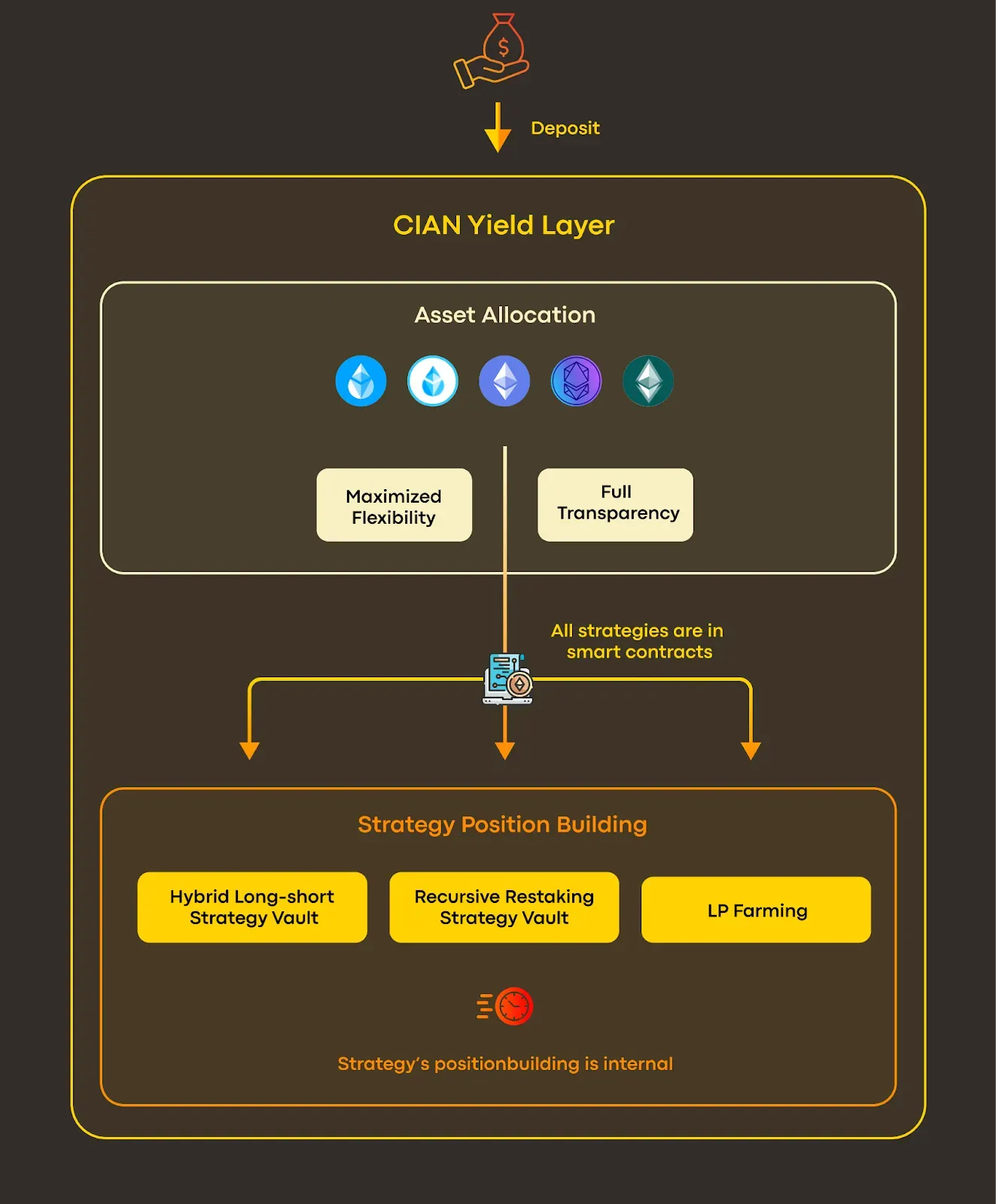
The primary constraint on LRT yield is not market volatility but structural fragility. Unlike standard staking, LRTs layer restaking protocols over existing Ethereum consensus layers, creating a complex web of dependencies. Gauntlet’s market risk framework highlights that yield is often inflated by external liquidity incentives rather than organic protocol revenue, making these returns vulnerable to sudden liquidity shifts.
When evaluating yield, investors must distinguish between sustainable consensus rewards and temporary incentive emissions. The Yield Layer approach attempts to consolidate these fragmented sources, but it also concentrates risk. If one underlying strategy fails or if withdrawal queues lengthen, the entire yield vector can compress rapidly.
Technical analysis of LRT tokens often reveals price decoupling from underlying staking yields during stress periods. This divergence signals that the market is pricing in withdrawal risk rather than just yield potential. Investors should monitor on-chain liquidity depths alongside yield metrics to gauge true sustainability.
Lrt yield choices that change the plan
Evaluating liquid restaking token (LRT) yield requires looking beyond the headline APY. The reported returns are often a composite of base staking rewards, restaking incentives, and protocol-specific emissions. Each component carries distinct risk profiles, ranging from smart contract vulnerabilities to liquidity constraints. Understanding these layers is essential for sustainable returns.
The primary tradeoff lies in yield composition versus capital accessibility. High yields often stem from volatile incentive tokens or locked liquidity, which can evaporate during market downturns. Conversely, stable yields from base staking may offer lower returns but provide greater predictability. Investors must assess whether the yield is sustainable or dependent on temporary subsidies.
| Feature | Base Staking Yield | Restaking Incentives | Protocol Emissions |
|---|---|---|---|
| Source | Ethereum Validator Rewards | EigenLayer/Actively Validated Services | Protocol Token Rewards |
| Volatility | Low | Medium-High | High |
| Liquidity | Variable (depends on LRT) | Often Locked | Immediate |
| Sustainability | High | Medium | Low |
Liquidity risk is another critical factor. Some LRTs impose withdrawal delays or slippage during high-demand periods. This can prevent investors from exiting positions quickly, especially when market conditions deteriorate. Gauntlet’s risk framework highlights external liquidity as a key metric for evaluating this exposure. Always check the withdrawal mechanisms and historical slippage data before committing capital.
Ultimately, the best LRT strategy depends on your risk tolerance and time horizon. Aggressive investors might prioritize high-emission protocols for short-term gains, while conservative investors may prefer base staking yields. Diversifying across multiple LRTs can mitigate single-protocol risk, but it also increases complexity. Always conduct thorough due diligence on the underlying smart contracts and economic models.
Choose the next step
LRT Yield works best as a clear sequence: define the constraint, compare the realistic options, test the tradeoff, and choose the path with the fewest hidden costs. That order keeps the advice usable instead of decorative. After each step, pause long enough to check whether the recommendation still fits the reader's actual situation. If it depends on perfect timing, unusual access, or a best-case budget, include a simpler fallback.


Avoid the weak options
The easiest mistake with LRT Yield is comparing options on the most visible detail while ignoring the day-to-day constraint. A choice can look strong on paper and still fail because it is too hard to maintain, too expensive to repeat, or awkward in the actual setting. Use the same checklist for every option: fit, cost, durability, timing, upkeep, and fallback plan. That keeps the comparison practical instead of drifting into preference alone.
The simplest way to use this section is to write down the real constraint first, compare each option against it, and choose the path that still works outside ideal conditions.
Lrt yield: what to check next
Helpful gear
Use these product recommendations as a starting point, then choose the size, material, and price point that fit how you actually use the gear.

As an Amazon Associate, we may earn from qualifying purchases.
No comments yet. Be the first to share your thoughts!