Lrt yield analysis limits to account for
Liquid Restaking Token (LRT) yield analysis requires separating base staking returns from the additional premiums generated by restaking. While Liquid Staking Tokens (LSTs) provide the foundation by offering rewards for securing the primary network, LRTs layer on extra yield by delegating those assets to additional decentralized services known as AVSs.
The primary constraint in this analysis is that yield is not uniform. Gauntlet’s market risk framework highlights that returns depend heavily on external liquidity and withdrawal mechanisms. When analyzing an LRT, you must evaluate whether the yield is sustainable or if it relies on incentives that could vanish during market stress.
| Feature | LST | LRT |
|---|---|---|
| Yield Source | Base network staking rewards | Base rewards + AVS restaking rewards |
| Flexibility | High (standard DeFi usage) | Moderate to High (complex withdrawal queues) |
| Risk Profile | Lower (single layer of staking) | Higher (smart contract + slashing risks) |
Investors must weigh the premium yield of LRTs against the complexity of withdrawal processes. If the underlying protocol experiences high demand for restaking services, yields may spike, but liquidity constraints can prevent timely exits. Always prioritize protocols with transparent risk frameworks and clear historical withdrawal data.
Lrt yield analysis choices that change the plan
Comparing Liquid Restaking Tokens (LRTs) against standard Liquid Staking Tokens (LSTs) requires looking beyond headline APY. An LST yields only the base network's staking rewards, while an LRT layers additional returns from restaked protocols (AVSs). This extra yield comes with distinct risk vectors, primarily around liquidity depth and withdrawal mechanics. You must evaluate whether the incremental yield compensates for the added smart contract complexity and potential liquidity constraints.
| Feature | Liquid Staking Token (LST) | Liquid Restaking Token (LRT) |
|---|---|---|
| Yield Source | Base network staking rewards | Base staking + AVS restaking rewards |
| Liquidity Depth | High; integrated into major DEXs | Variable; depends on specific LRT protocol |
| Withdrawal Speed | Standard network finality times | Often delayed by restaking unbonding periods |
| Smart Contract Risk | Lower; single-layer staking logic | Higher; multi-layer delegation and restaking |
Liquidity and Withdrawal Friction
The most immediate tradeoff in LRT yield analysis is the speed at which you can exit. LSTs generally maintain deep liquidity on decentralized exchanges, allowing near-instant swaps. LRTs, however, often face liquidity constraints because their value is tied to the underlying restaking contracts. More critically, withdrawals are frequently subject to the unbonding periods of the restaking layer, not just the base network. This friction means your capital may be locked for days or weeks during periods of high volatility, limiting your ability to react to market shifts.
Yield Composition and Sustainability
LRT yields are composite, drawing from both base staking and active service rewards. While this boosts nominal returns, it introduces dependency on the performance and security of the AVSs. If a restaking protocol experiences a slashing event or operational failure, the LRT's value can drop independently of ETH's price action. Unlike LSTs, which track network inflation closely, LRT yields are more volatile and harder to predict. Analyzing the source of the yield—whether it is sustainable from network activity or driven by temporary incentives—is essential for long-term holding.
| Feature | Liquid Staking Token (LST) | Liquid Restaking Token (LRT) |
|---|---|---|
| Yield Source | Base staking rewards | Base staking + AVS rewards |
| Liquidity | High | Variable |
| Withdrawal Speed | Standard finality | Delayed by restaking periods |
| Risk Profile | Lower | Higher |
Choosing the Right Strategy
For capital preservation and ease of access, LSTs remain the safer baseline. They offer transparent, network-level yields with minimal friction. LRTs are better suited for investors who can tolerate higher complexity and potential liquidity traps in exchange for enhanced yield. Before deploying capital, verify the specific withdrawal policies and liquidity pools for the LRT in question. The yield is only real if you can actually access it when needed.
How to choose the right liquid restaking strategy
Liquid restaking tokens (LRTs) layer additional yield on top of standard liquid staking (LST) by securing extra protocols called AVSs. This structure boosts returns but introduces new variables: external liquidity, withdrawal mechanics, and smart contract complexity. Gauntlet’s risk framework identifies these as the primary drivers of performance variance.
To navigate this, evaluate your position against these four practical steps.

LRTs often lack a native, instant unstaking path. If you need to exit during a market dip, check if the protocol offers a secondary market (like a liquidity pool) or if you are forced to wait for a full unstaking queue. Instant access usually comes with a yield discount.
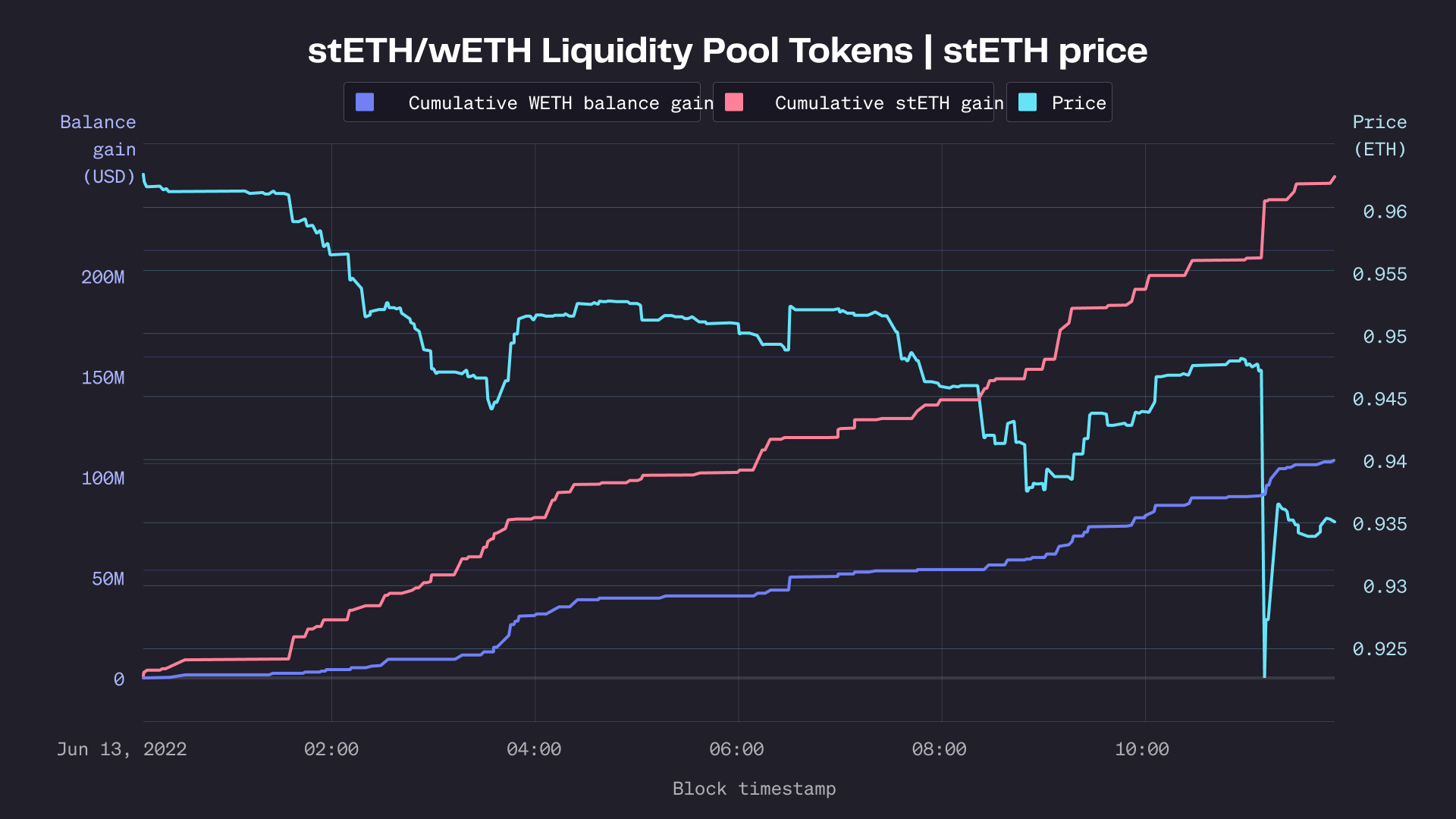
High APY means little if you cannot trade the token without significant slippage. Review the liquidity depth on decentralized exchanges. Low liquidity acts as a hidden tax on your exit, potentially eroding the "extra" yield you earned from the AVS.
LRTs involve multiple layers of code: the LST wrapper, the restaking vault, and the AVS smart contracts. Each layer introduces potential failure points. Stick to protocols with long track records and audited code rather than chasing the highest theoretical yield on new launches.
Short-term traders should prioritize LSTs or LRTs with deep secondary liquidity for easy entry and exit. Long-term holders can tolerate lower liquidity and longer withdrawal times in exchange for the higher yields provided by complex AVS integrations.
| Feature | LST | LRT |
|---|---|---|
| Base Yield | Network Staking | Network + AVS |
| Risk Profile | Lower | Higher |
| Liquidity | High | Variable |
| Complexity | Low | High |
The decision ultimately rests on your risk tolerance. If you prioritize capital preservation and ease of exit, a standard LST remains the safer choice. If you are willing to accept higher complexity and potential liquidity constraints for additional yield, an LRT offers a more robust return profile, provided you have vetted the underlying infrastructure.
Watch out for weak LRT options
Not all liquid restaking tokens offer the same risk-reward profile. While LRTs combine staking and restaking rewards, the underlying infrastructure varies significantly. Some protocols rely on thin liquidity or complex dependency chains that amplify losses during market stress. Before allocating capital, verify the specific attributes of each option rather than assuming uniform safety across the category.
Thin external liquidity
Many LRTs trade on decentralized exchanges with shallow order books. Gauntlet’s risk framework highlights external liquidity as a primary failure point. When withdrawals spike, low liquidity can cause significant slippage, eroding yields before the underlying restaking rewards materialize. Check the token’s daily volume and depth on major pools. If the token cannot absorb moderate sell pressure without crashing, it is a weak option for yield seekers.
Overstated yield projections
Some projects advertise yields that ignore the cost of restaking or the risk of slashing. An LST yields base network rewards, but an LRT adds AVS-specific rewards. However, these additional rewards often come with higher smart contract complexity. If a protocol’s yield is double the base staking rate without a clear, auditable source for the premium, it is likely misleading. Treat high-yield claims with skepticism and look for transparent, real-time data rather than static projections.
Concentrated validator risk
Reliance on a single validator or a small group increases systemic risk. If that validator is slashed or goes offline, the LRT holder bears the loss directly. Strong LRTs distribute risk across a diverse set of operators. Review the validator set composition. If the protocol cannot easily rotate operators or lacks a robust insurance fund, the option is weak. Diversification is not just about tokens; it is about the underlying infrastructure securing your assets.
Lrt yield analysis: what to check next
Before committing capital to liquid restaking, it helps to separate the mechanics from the marketing. These terms define how your assets earn yield and what risks you are actually taking on.
No comments yet. Be the first to share your thoughts!