Why LRT Yield Feels Like a Moving Target
Liquid Restaking Tokens (LRTs) promise higher returns than standard staking, but the yield is rarely static. Unlike fixed-rate bonds, LRT yields fluctuate based on the underlying restaking protocols' performance, the demand for EigenLayer AVS (Actively Validated Services) slots, and the volatility of the native asset being staked. If you are building a strategy around LRT yield, you must treat the reported APY as a dynamic estimate, not a guaranteed income stream.
The core difference between Liquid Staking Tokens (LSTs) and LRTs lies in this complexity. LSTs, like stETH, simply delegate your stake to a validator and earn the base network reward. LRTs take that tokenized stake and restake it across additional protocols to earn extra rewards. This "yield layer" adds potential upside but also introduces new risks, such as smart contract vulnerabilities and slashing events across multiple layers. Understanding this distinction is critical before committing capital.
Current market data shows that LRT yields are highly sensitive to network congestion and AVS demand. When demand for restaking capacity is high, yields spike; when the market saturates, they compress. Investors should monitor the base staking rate alongside the restaking premium to understand the true composition of their returns. A high yield often signals high risk or temporary market inefficiency rather than sustainable growth.
| Feature | Liquid Staking (LST) | Liquid Restaking (LRT) |
|---|---|---|
| Yield Source | Base network staking rewards | Base rewards + AVS incentives |
| Risk Profile | Lower (single layer) | Higher (multi-layer complexity) |
| Complexity | Simple delegation | Requires managing restaking strategies |
Lrt yield choices that change the plan
Liquid Restaking Tokens (LRTs) offer higher yields than standard liquid staking by layering restaking rewards on top of base staking returns. However, this extra yield comes with added complexity and distinct risk factors that vary by protocol. Understanding these tradeoffs is essential for aligning your position with your risk tolerance.
The core difference lies in the source of yield. Standard liquid staking (LST) relies primarily on Ethereum consensus rewards and MEV. LRTs add a "restaking" layer, allowing your underlying ETH to secure additional networks like AVSs (Actively Validated Services). This generates extra yield but introduces smart contract risks specific to restaking infrastructures, such as slashing penalties from the secondary networks.
When evaluating an LRT, you must weigh yield potential against liquidity and security. Some protocols offer high yields but lock your assets or impose withdrawal queues during market stress. Others provide immediate liquidity but offer lower net APY due to lower restaking demand or higher protocol fees. Gauntlet’s LRT Market Risk Framework highlights that external liquidity and withdrawal mechanisms are critical attributes for assessing this balance [src-4].
| Feature | High Yield LRTs | Balanced LRTs | Conservative LRTs |
|---|---|---|---|
| Yield Source | Base Staking + Aggressive Restaking | Base Staking + Moderate Restaking | Base Staking Only |
| Slashing Risk | High (multiple AVSs) | Moderate (selected AVSs) | Low (minimal AVS exposure) |
| Liquidity | Variable (may have queues) | High (instant redemption) | High (instant redemption) |
| Best For | Yield maximizers | Balanced portfolios | Capital preservation |
The choice ultimately depends on your strategy. If you prioritize maximum yield and can tolerate higher volatility and potential slashing risks, high-yield LRTs are suitable. For most investors, a balanced approach offers a compromise between yield and security. Conservative investors may prefer sticking to standard LSTs or conservative LRTs with minimal restaking exposure to preserve capital.
Choose the next step
LRT Yield works best as a clear sequence: define the constraint, compare the realistic options, test the tradeoff, and choose the path with the fewest hidden costs. That order keeps the advice usable instead of decorative. After each step, pause long enough to check whether the recommendation still fits the reader's actual situation. If it depends on perfect timing, unusual access, or a best-case budget, include a simpler fallback.

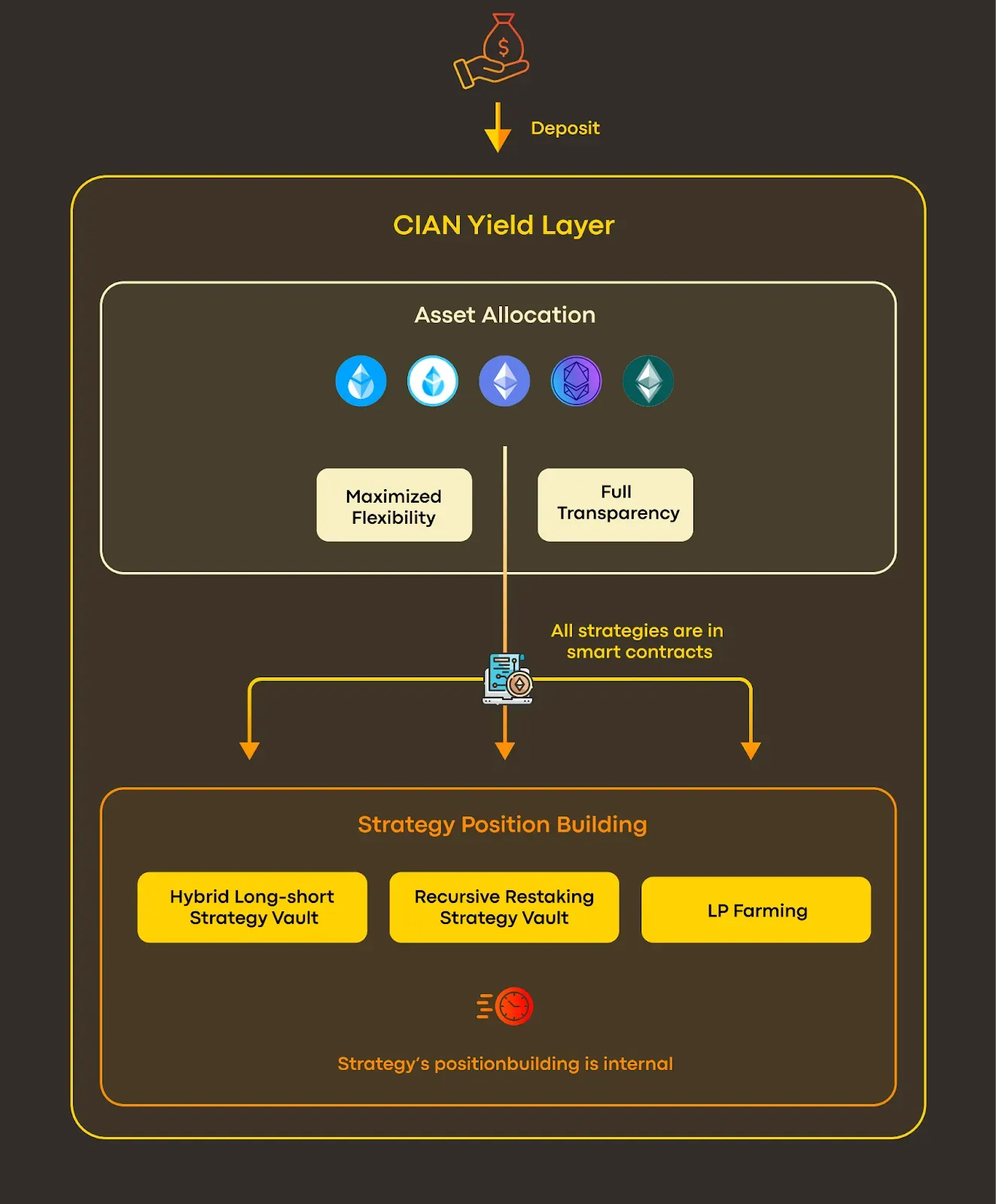

Watch out for weak LRT options
Not all Liquid Restaking Tokens offer the same security or yield stability. Some protocols bundle low-quality staking assets with high-risk restaking layers, creating a yield profile that looks attractive on paper but collapses under stress. Before committing capital, you need to filter out these weak options by examining the underlying assets and the smart contract architecture.
Verify the underlying staking assets
Many LRT protocols allow you to stake various liquid staking tokens (LSTs) like stETH or rETH. However, not all LSTs are created equal. Some protocols accept LSTs from less established validators or those with lower slashing protection. If the base asset is fragile, the restaking yield is built on sand. Check which LSTs are supported and whether the protocol imposes limits or higher risk premiums on weaker options.
Check the restaking strategy complexity
Yield often comes from layering multiple strategies, such as providing liquidity or securing oracle networks. While this can boost returns, it also introduces smart contract risk and impermanent loss. Avoid protocols that obscure their strategy or use overly complex, unaudited vaults. A transparent, simple strategy is usually safer than a complex one promising double-digit yields. Look for clear documentation on where the yield comes from and what risks are involved.
Assess the protocol’s track record and audits
New protocols often offer high yields to attract liquidity, but they lack the security track record of established players. Always check if the protocol has undergone formal security audits by reputable firms. Look for bug bounties and time in the market. A protocol that has survived multiple market cycles with no major exploits is a safer bet than a new entrant promising unsustainable returns. Prioritize protocols with a history of transparent governance and community oversight.
No comments yet. Be the first to share your thoughts!