Lrt yield limits to account for
LRT Yield Strategy works best as a clear sequence: define the constraint, compare the realistic options, test the tradeoff, and choose the path with the fewest hidden costs. That order keeps the advice usable instead of decorative. After each step, pause long enough to check whether the recommendation still fits the reader's actual situation. If it depends on perfect timing, unusual access, or a best-case budget, include a simpler fallback.
The simplest way to use this section is to write down the real constraint first, compare each option against it, and choose the path that still works outside ideal conditions.
Lrt yield choices that change the plan
Use this section to make the LRT Yield Strategy decision easier to compare in real life, not just on paper. Start with the reader's actual constraint, then separate must-have requirements from details that are merely nice to have. A practical choice should survive normal use, maintenance, timing, and budget. If a recommendation only works in an ideal situation, call that out plainly and give the reader a fallback path.
| Factor | What to check | Why it matters |
|---|---|---|
| Fit | Match the option to the primary use case. | A good deal still fails if it does not fit the job. |
| Condition | Verify age, wear, and service history. | Hidden condition issues erase upfront savings. |
| Cost | Compare purchase price with likely upkeep. | The cheapest option is not always the lowest-cost option. |
Choose the next step
LRT Yield Strategy works best as a clear sequence: define the constraint, compare the realistic options, test the tradeoff, and choose the path with the fewest hidden costs. That order keeps the advice usable instead of decorative. After each step, pause long enough to check whether the recommendation still fits the reader's actual situation. If it depends on perfect timing, unusual access, or a best-case budget, include a simpler fallback.
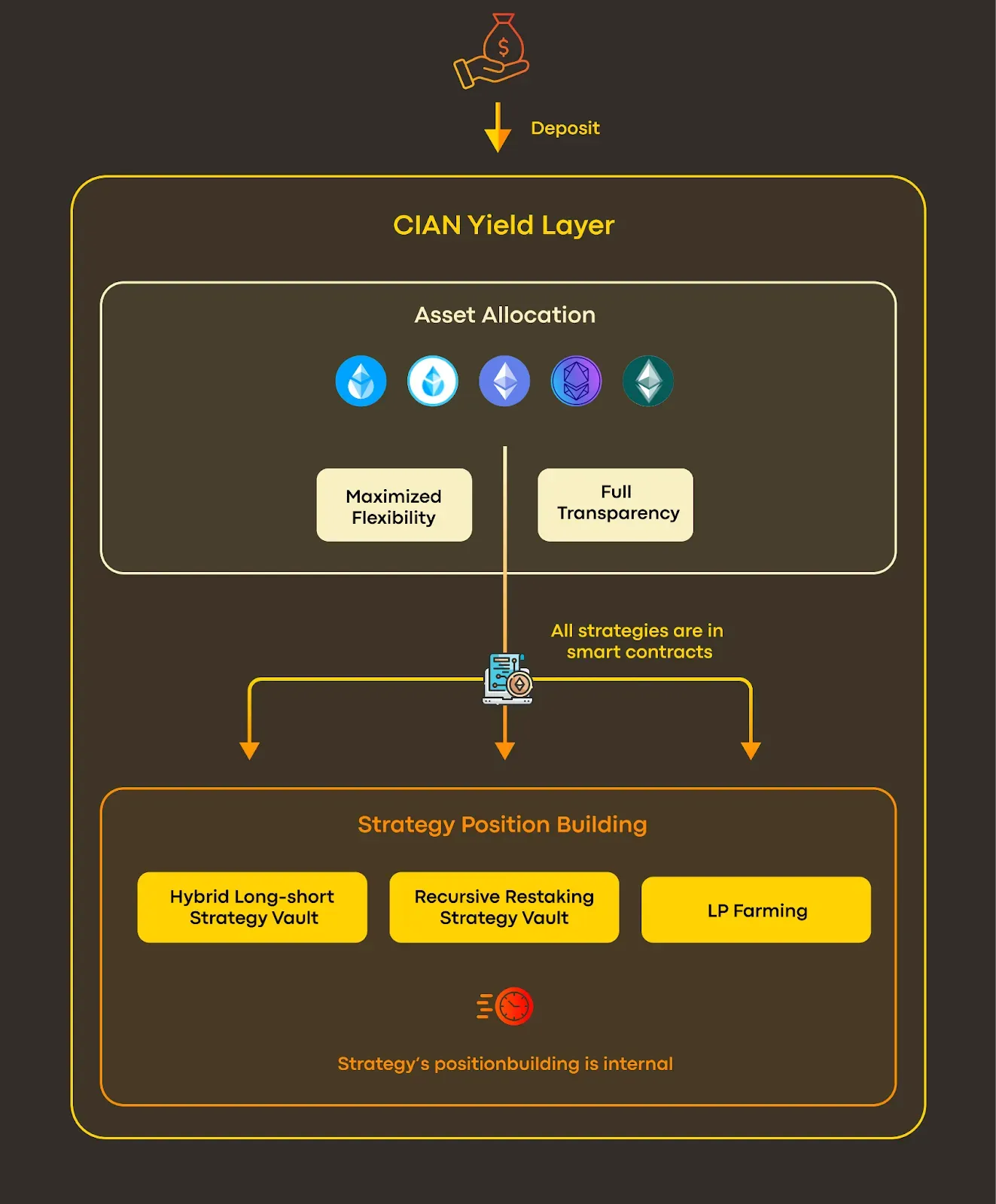
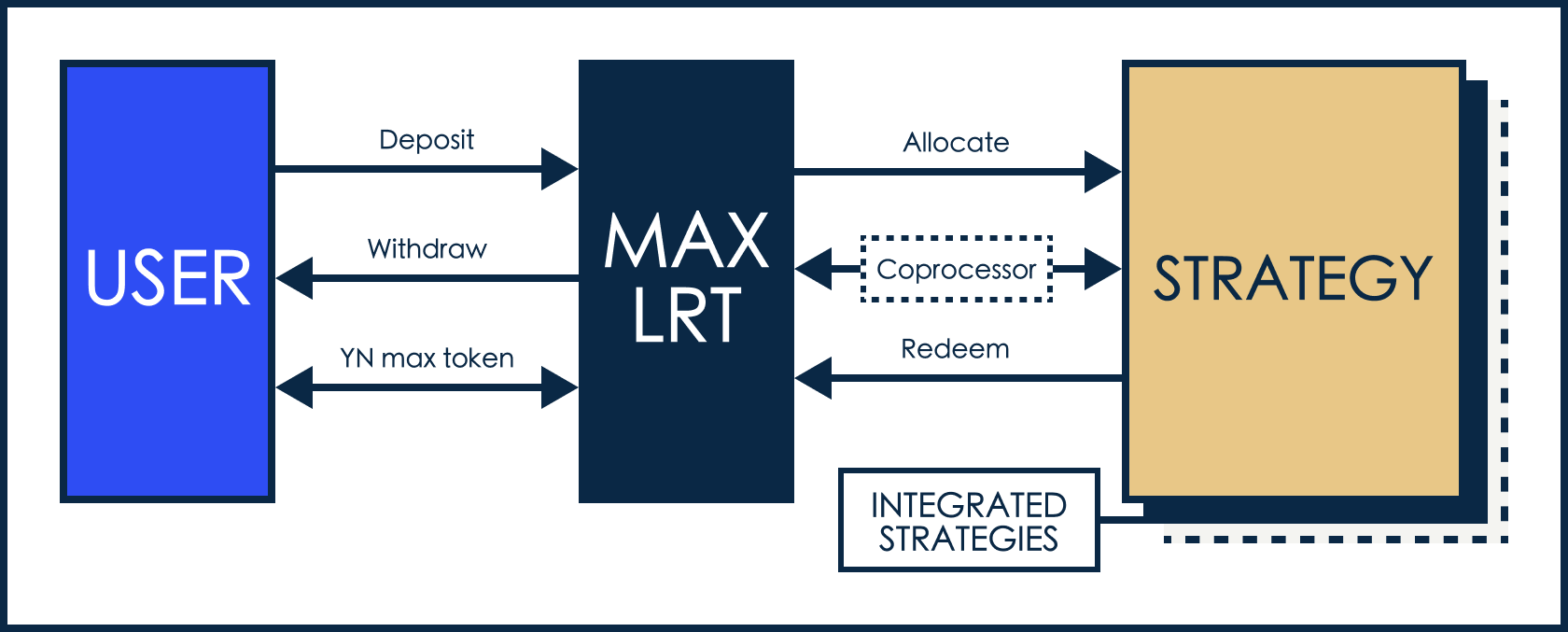
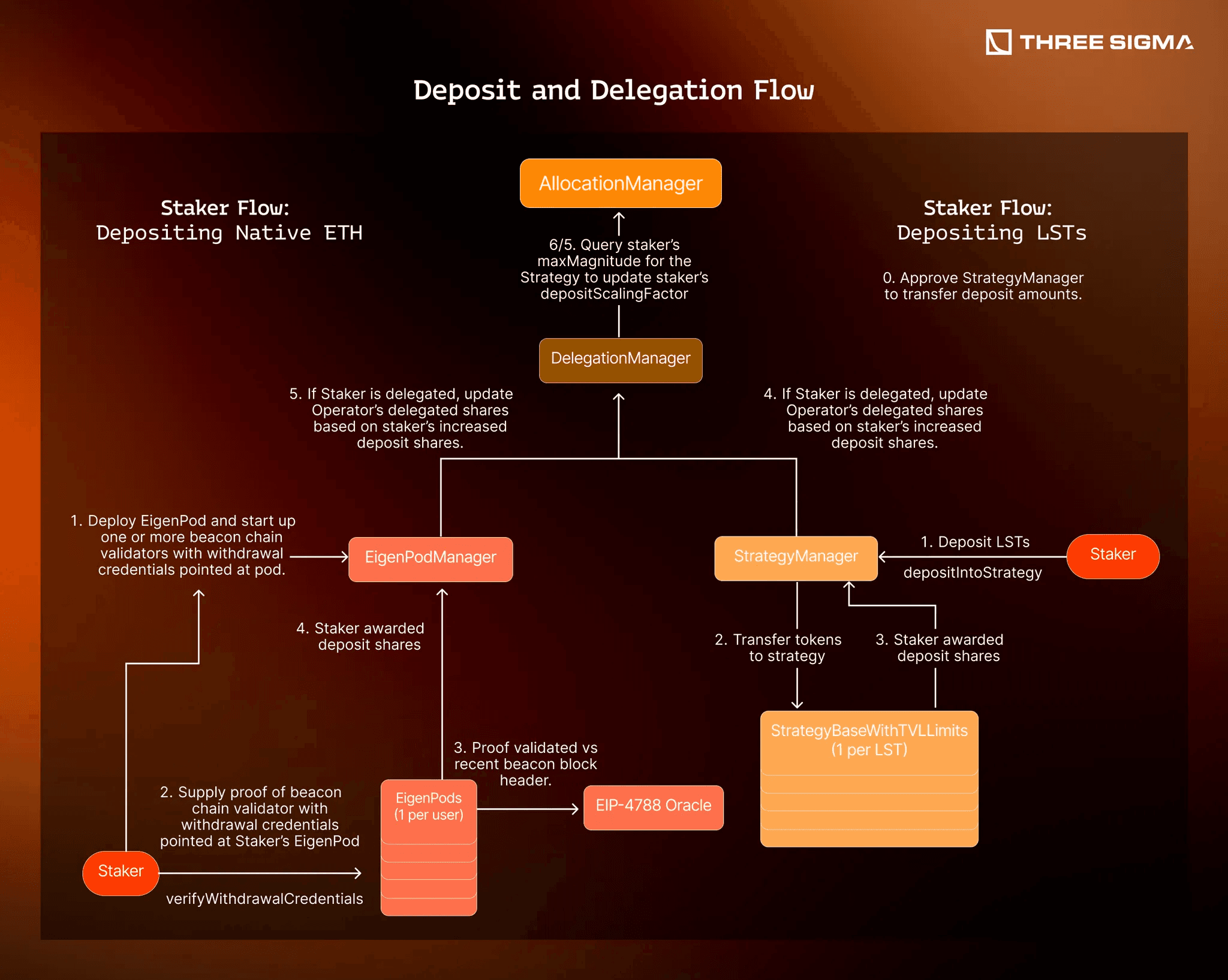
Spotting Weak Options and Misleading Claims
The LRT yield landscape is crowded with platforms promising passive income through restaking, but not all vehicles are built to last. Many projects bundle complex strategies under a single token, obscuring the actual risk profile of the underlying assets. Before committing capital, you need to separate the signal from the hype by examining the mechanics, not just the headline APY.
The Trap of Consolidated Yield
Some platforms advertise "1-click" access to multiple yield sources, implying simplicity equals safety. However, this consolidation often masks the fact that your funds are exposed to a vector of diverse, potentially uncorrelated risks. If one strategy in the bundle fails, it can drag down the entire position. You must verify if the yield is generated from sustainable staking rewards or if it relies on volatile incentive programs that can dry up overnight.
Hidden Costs and Liquidity Risks
A common mistake is ignoring the total cost of entry. Low yield percentages can be misleading if they don't account for gas fees, slippage, or the opportunity cost of locked liquidity. Always compare the offer against real alternatives. For instance, a 5% yield on a locked LRT might look attractive until you factor in the inability to exit during a market downturn. Check the source explicitly and ensure there is a clear, efficient exit path.
Essential Tools for Verification
To navigate these risks, you need real-time data. Static numbers are useless in a fast-moving market. Use provider-backed widgets to track the current health of the protocol. The following chart shows the recent performance trend, helping you identify volatility spikes that might indicate underlying instability.
Making the Decision
Choose options that offer transparency over complexity. If a platform cannot clearly explain where the yield comes from, walk away. Prioritize protocols with audited smart contracts and clear documentation. Your goal is sustainable growth, not a quick pump that leaves you holding the bag.
Lrt yield: what to check next
Liquid restaking tokens (LRT) offer a way to earn yield on staked ETH by re-depositing it into protocols like EigenLayer. However, this convenience comes with unique risks that standard staking does not carry. Understanding these mechanics is essential before allocating capital.
Helpful gear
Use these product recommendations as a starting point, then choose the size, material, and price point that fit how you actually use the gear.
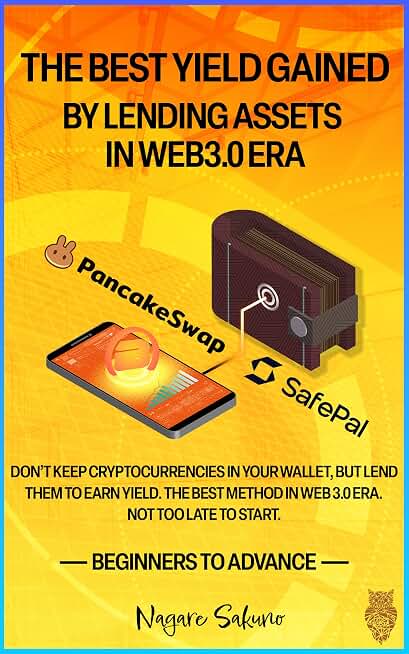

As an Amazon Associate, we may earn from qualifying purchases.
No comments yet. Be the first to share your thoughts!